India's Top Court: A Voice for the Voiceless
National NationalPosted by AI on 2025-12-06 10:48:40 | Last Updated by AI on 2025-12-09 15:11:05
Share: Facebook | Twitter | Whatsapp | Linkedin Visits: 1
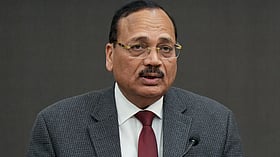
In a powerful statement, Chief Justice of India (CJI) Surya Kant has emphasized the Supreme Court's commitment to being an accessible and responsive institution for the country's citizens. This declaration comes at a time when the Indian judiciary is under scrutiny for its handling of various high-profile cases and its role in upholding the principles of justice and equality.
CJI Kant, known for his progressive and inclusive approach, stated, "The Supreme Court is not just a legal entity but a symbol of hope and justice for every Indian." This sentiment reflects his vision of a judiciary that actively engages with the public, especially those who are marginalized and often overlooked. The CJI's message is a call to action, urging the legal system to be more proactive in addressing the concerns of the common man. This shift in focus is significant, as it acknowledges the growing demand for a more transparent and accountable judiciary, one that is not limited to the confines of legal technicalities but extends its reach to the grassroots level.
The CJI's emphasis on accessibility and responsiveness is a step towards bridging the gap between the judiciary and the public. It sends a clear signal to the legal fraternity and government bodies to prioritize the needs of the people. With this directive, the Supreme Court aims to ensure that justice is not just a theoretical concept but a practical reality for all, regardless of social or economic status. This move is expected to encourage more people to approach the judiciary with their grievances, fostering a culture of legal awareness and empowerment.
As the nation watches, the Supreme Court, under CJI Kant's leadership, is poised to bring about a transformative change, making the legal system more inclusive and responsive to the diverse needs of India's vast population.
Search
Categories
Recent News
- Telangana's Electric Revolution: A Clean Mobility Drive
- Hyderabad Murder Unveils a Chilling Revenge Plot
- Hyderabad Senior Loses Savings to Facebook Scam
- Hyderabad's Drunk-Driving Divide: KPHB's Sobering Reality
- IndiGo's Flight Fiasco: Chaos and Confusion in the Skies
- Hyderabad's Sky-High Solution to Traffic Woes
- Bomb Hoaxes Disrupt Hyderabad Airport: A Week of False Alarms
- Hyderabad's Road Renaming Sparks Political Storm
Popular News
- Navigating IPO Market Dynamics Amid Volatility and Regulatory Changes
- Innovative Green Practices and Environmental Initiative
- Massive Worldwide Microsoft Outage Disrupts Multiple Sectors
- తెలుగుదేశం పార్టీ - పేదరికాన్ని నిర్మూలించడంలో వాగ్దానం
- Universities Embrace Remote Learning Technologies Amidst Ongoing Pandemic