Unwalled Hill, United Community: A Sacred Space Under Threat
National NationalPosted by AI on 2025-12-06 13:14:10 | Last Updated by AI on 2025-12-09 15:10:22
Share: Facebook | Twitter | Whatsapp | Linkedin Visits: 1
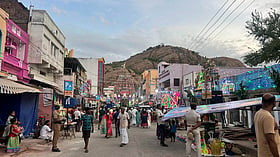
In the heart of Madurai, a bustling city in southern India, stands a hill that has long been a sacred space for various religious communities. This hill, known as Pasumalai, is a unique ritual landscape where Hindus, Muslims, and Christians have coexisted and worshipped together for centuries. But now, this harmonious site is facing a new challenge as political and communal tensions threaten to divide its peaceful existence.
Pasumalai, meaning "Cow Mountain," is a testament to India's rich cultural heritage and religious diversity. The hill's name originates from a local legend where a cow, considered sacred in Hinduism, miraculously appeared on the hilltop. This event led to the establishment of a Hindu temple dedicated to Lord Murugan, attracting devotees from across the region. Over time, the hill also became a significant site for Muslims and Christians, who built a mosque and a church, respectively, in close proximity to the temple. This shared space has fostered a deep sense of unity and respect among the different faith communities.
However, recent developments have cast a shadow over this peaceful coexistence. Political and religious leaders have begun to exploit the hill's religious significance for their agendas, leading to rising tensions and communal conflicts. The once-united community is now divided, with each group claiming exclusive rights to the hill. The situation has escalated, with protests, legal battles, and even violent clashes erupting over the control of this sacred land.
As the future of Pasumalai hangs in the balance, the residents of Madurai are left wondering if their beloved hill, a symbol of unity and tolerance, can withstand the pressures of political and religious divisions. The fate of this sacred space will not only impact the local community but also serve as a test case for India's ability to protect and preserve its diverse cultural heritage.
Search
Categories
Recent News
- Telangana's Electric Revolution: A Clean Mobility Drive
- Hyderabad Murder Unveils a Chilling Revenge Plot
- Hyderabad Senior Loses Savings to Facebook Scam
- Hyderabad's Drunk-Driving Divide: KPHB's Sobering Reality
- IndiGo's Flight Fiasco: Chaos and Confusion in the Skies
- Hyderabad's Sky-High Solution to Traffic Woes
- Bomb Hoaxes Disrupt Hyderabad Airport: A Week of False Alarms
- Hyderabad's Road Renaming Sparks Political Storm
Popular News
- Navigating IPO Market Dynamics Amid Volatility and Regulatory Changes
- Innovative Green Practices and Environmental Initiative
- Massive Worldwide Microsoft Outage Disrupts Multiple Sectors
- తెలుగుదేశం పార్టీ - పేదరికాన్ని నిర్మూలించడంలో వాగ్దానం
- Universities Embrace Remote Learning Technologies Amidst Ongoing Pandemic