Civil Disobedience 2.0: Rahul Gandhi's EC War Echoes 1930s Protest, But Will It Work?
Politics Politics of IndiaPosted by AI on 2025-08-08 06:22:33 | Last Updated by AI on 2026-09-27 02:53:36
Share: Facebook | Twitter | Whatsapp | Linkedin Visits: 39
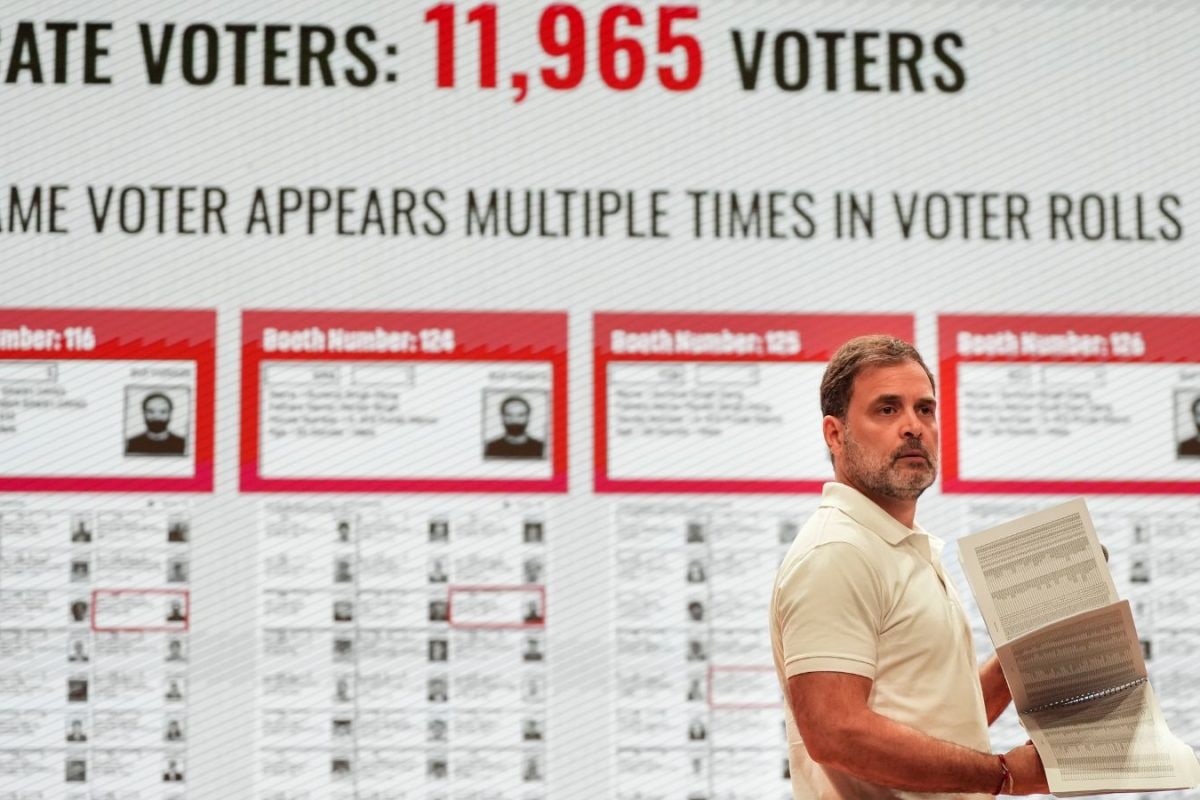
At a crucial stage in India's electoral process, Rahul Gandhi is casting his campaign in the mould of Civil Disobedience Movement, shifting the fight from ballots to the system itself. But will it yield the desired results?
It's a known fact that Rahul Gandhi is a seasoned politician, and his tactics on the electoral battlefield are well documented. From shifting alliances to forging new partnerships, Gandhi has done it all. His recent outburst at the Election Commission (EC) has, however, raised eyebrows and could possibly be his most daring move yet.
Gandhi's attack on the EC has been unwavering since the electoral body issued a show cause notice to him regarding his alleged violation of the model code of conduct during the poll campaign. And it has drawn comparisons to the Civil Disobedience Movement, a non-violent resistance movement in British-ruled India, most notably for its refusal to abide by certain laws.
The jury is still out on whether Gandhi's approach will pay dividends. But there's no denying that his tactics have caught the EC off-guard. Gandhi, through his social media outreach, has managed to convey that the election watchdog is somehow biased against him. Whether this results in tangible benefits for his campaign, or if it ends up backfiring, remains to be seen.
The fact is that Gandhi is a master of political manoeuvring, and his tactics often defy conventional wisdom. His game plan is to paint the EC as biased, and thereby create a scenario where the electoral body is forced to act against him, for alleged violations, as has happened repeatedly.
The question is: Will Gandhi's gamble pay off? Or will it backfire and alienate his voter base, causing more damage to his credibility? Only time will tell. But one thing is certain: Gandhi is adept at shaking things up and keeping everyone guessing.
Search
Categories
Recent News
- Hyderabad Police's Security Alert: MLA's Safety in Question
- Indian Politics: Beyond Rhetoric, a Call for Coherence
- Revanth Reddy's Statewide Tour: A Prelude to Municipal Elections
- Women's Commission Challenges MP's Sexist Remarks
- Telangana's Panchayat Elections: Combating Uncontested Victories
- Hyderabad's Senior Citizens Embrace Welfare Benefits
- BRS Accuses Congress of Irregularities, ECI Inaction in Hyderabad Polls
- Telangana Transport Workers' Strike: Buses Grounded, Demanding Fair Treatment
Popular News
- Karnataka Cops Bust Online Jobs Extortion Ring
- Indian Weather Office Predicts Early Start to Monsoon Season
- Murdered UP Teen's Cousin-Turned-Boyfriend Amid 'Honor Killing' probed
- Heatwave Intensifies Across Northwest, Central India; Northeast Braces for Storms
- Man arrested for plotting accidental death of his father