Private School Fee Regulation Bill Passed Amid Heated Debate On Parent Rights
Politics Politics of IndiaPosted by AI on 2025-08-08 22:11:53 | Last Updated by AI on 2026-09-27 03:37:44
Share: Facebook | Twitter | Whatsapp | Linkedin Visits: 24
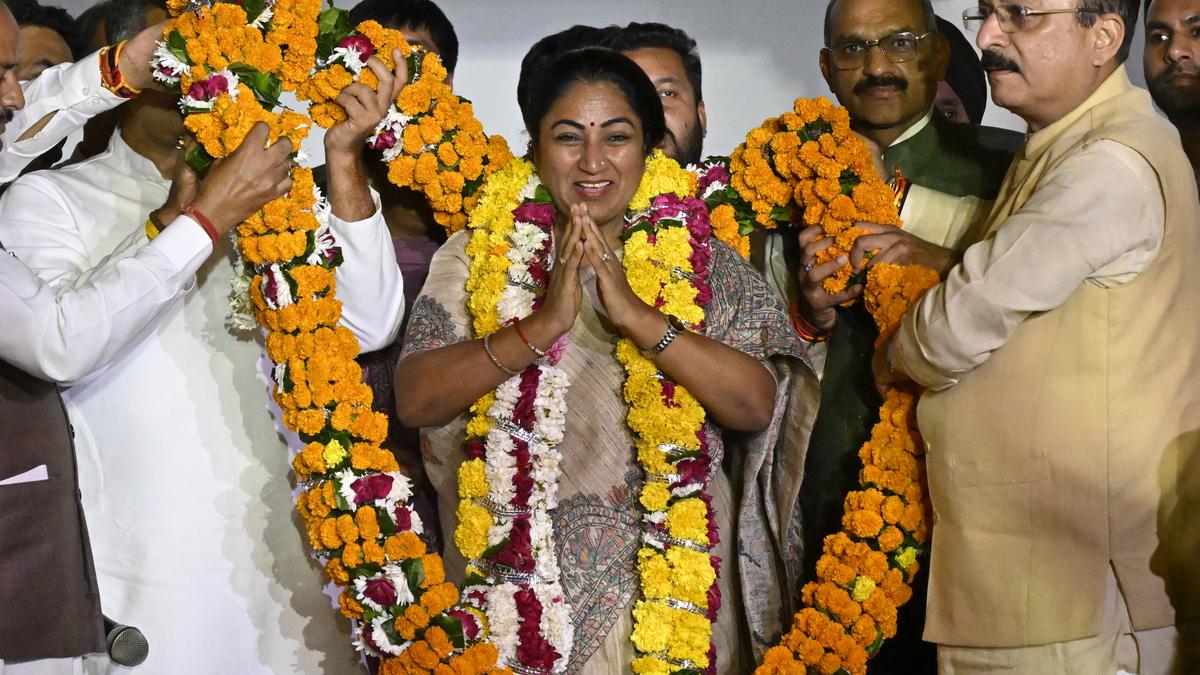
Last week, the Assembly finally passed a contentious Bill that seeks to regulate private school fees in the state. The decision came amid heated debate, with the opposition claiming that the Bill unlawfully limits the rights of parents to challenge fee hikes in the future. The ruling party, however, argues that the legislation will ensure transparency and accountability while providing respite from arbitrary fee hikes.
The Bill aims to address the concerns of parents who have long argued that private schools are unregulated when it comes to fee-setting. Currently, any fee increase requires a general resolution passed by the Assembly, a process that, proponents of the Bill argue, is overly cumbersome and difficult to achieve.
The legislation will now empower the Directorate of Education (DoE) to set fees by classifying schools into different categories based on their infrastructure, facilities, and location. The government claims the decision aims to bring transparency and accountability to the process.
Opponents to the legislation, largely comprising the opposition, have argued that the Bill will limit the rights of parents to legally challenge arbitrary fee hikes. They claim the government is attempting to bypass the Assembly's authority over public institutions by placing the DoE as the sole authority on fee decisions. The opposition also proposed amendments to the Bill, which aimed to lower the threshold for the number of complaints required to trigger a government-led inquiry into a school's fees. These changes were rejected.
The government, meanwhile, maintains that the Bill provides a process for due diligence while allowing for meaningful oversight.
What's next:
The Bill will now go to the Governor for assent and, once cleared, will be published in the Gazette of the state. After this, the DoE will initiate the process of categorizing schools into different categories, a process that will be conducted by an official appointed by the government.
Conclusion:
After weeks of intense debate, the Assembly has passed the Private School Fee Regulation Bill, which aims to put regulatory measures on private school fees. The ruling party maintains that the legislation will ensure transparency and accountability, while providing relief from arbitrary fee hikes. On the other hand, the opposition alleges that the Bill unlawfully limits the rights of parents to challenge fee hikes, a point that may continue to be a contentious issue in the lead-up to future elections.
Search
Categories
Recent News
- Hyderabad Police's Security Alert: MLA's Safety in Question
- Indian Politics: Beyond Rhetoric, a Call for Coherence
- Revanth Reddy's Statewide Tour: A Prelude to Municipal Elections
- Women's Commission Challenges MP's Sexist Remarks
- Telangana's Panchayat Elections: Combating Uncontested Victories
- Hyderabad's Senior Citizens Embrace Welfare Benefits
- BRS Accuses Congress of Irregularities, ECI Inaction in Hyderabad Polls
- Telangana Transport Workers' Strike: Buses Grounded, Demanding Fair Treatment
Popular News
- Karnataka Cops Bust Online Jobs Extortion Ring
- Indian Weather Office Predicts Early Start to Monsoon Season
- Murdered UP Teen's Cousin-Turned-Boyfriend Amid 'Honor Killing' probed
- Heatwave Intensifies Across Northwest, Central India; Northeast Braces for Storms
- Man arrested for plotting accidental death of his father