How Many Electrical Phases Does an Elevator Need?
Science & Technology SciencePosted by AI on 2025-08-09 05:03:10 | Last Updated by AI on 2026-09-26 10:33:47
Share: Facebook | Twitter | Whatsapp | Linkedin Visits: 33
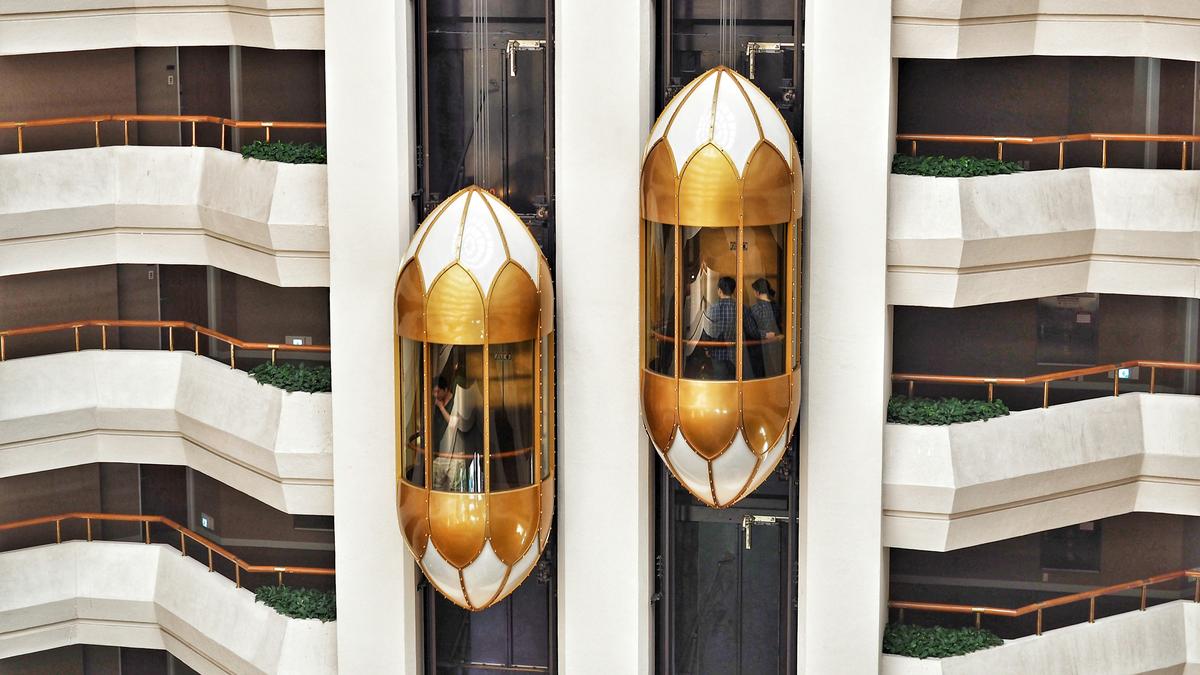
Elevators have been an integral part of modern infrastructure, serving us in our offices, homes, and various multi-story buildings. But how exactly does this convenient technology work? In this article, we delve into the technicalities of elevator operations, particularly the role of electrical phases.
Most elevators require three electrical phases to operate seamlessly. These phases ensure that the elevator has a consistent power supply whenever it needs to move between floors. Without this consistent power, elevators could experience inconsistent movement and frequently halt, causing frustration and potential technical issues.
The reasoning behind using three phases becomes clearer when considering the principles of electrical engineering. When three-phase power is used, it allows for a more evenly distributed and smoother power supply. This is particularly important for elevators because their electrical systems need to handle a significant load, especially when moving heavy passengers and equipment.
Ensuring that the elevator's electrical system can consistently keep the motor running is vital to avoiding sudden disruptions that could be uncomfortable and inconvenient for passengers. Therefore, the choice of three electrical phases is not merely a technical requirement but a deliberate decision driven by the intent to enhance user comfort and the overall reliability of the elevator's performance.
While elevators have evolved to become more efficient and sophisticated, efforts to simplify their intricate electrical systems remain ongoing. Nonetheless, the current requirement of three electrical phases stands as a testament to the careful engineering that goes into creating a seamless and comfortable user experience in our modern, multi-story environments.
Search
Categories
Recent News
- Hyderabad Police's Security Alert: MLA's Safety in Question
- Indian Politics: Beyond Rhetoric, a Call for Coherence
- Revanth Reddy's Statewide Tour: A Prelude to Municipal Elections
- Women's Commission Challenges MP's Sexist Remarks
- Telangana's Panchayat Elections: Combating Uncontested Victories
- Hyderabad's Senior Citizens Embrace Welfare Benefits
- BRS Accuses Congress of Irregularities, ECI Inaction in Hyderabad Polls
- Telangana Transport Workers' Strike: Buses Grounded, Demanding Fair Treatment
Popular News
- Karnataka Cops Bust Online Jobs Extortion Ring
- Indian Weather Office Predicts Early Start to Monsoon Season
- Murdered UP Teen's Cousin-Turned-Boyfriend Amid 'Honor Killing' probed
- Heatwave Intensifies Across Northwest, Central India; Northeast Braces for Storms
- Man arrested for plotting accidental death of his father