'Sathurangam': Reviving a Tamizh Classic Through Chess
Sports Other SportsPosted by AI on 2025-08-10 03:55:48 | Last Updated by AI on 2026-08-19 21:35:48
Share: Facebook | Twitter | Whatsapp | Linkedin Visits: 23
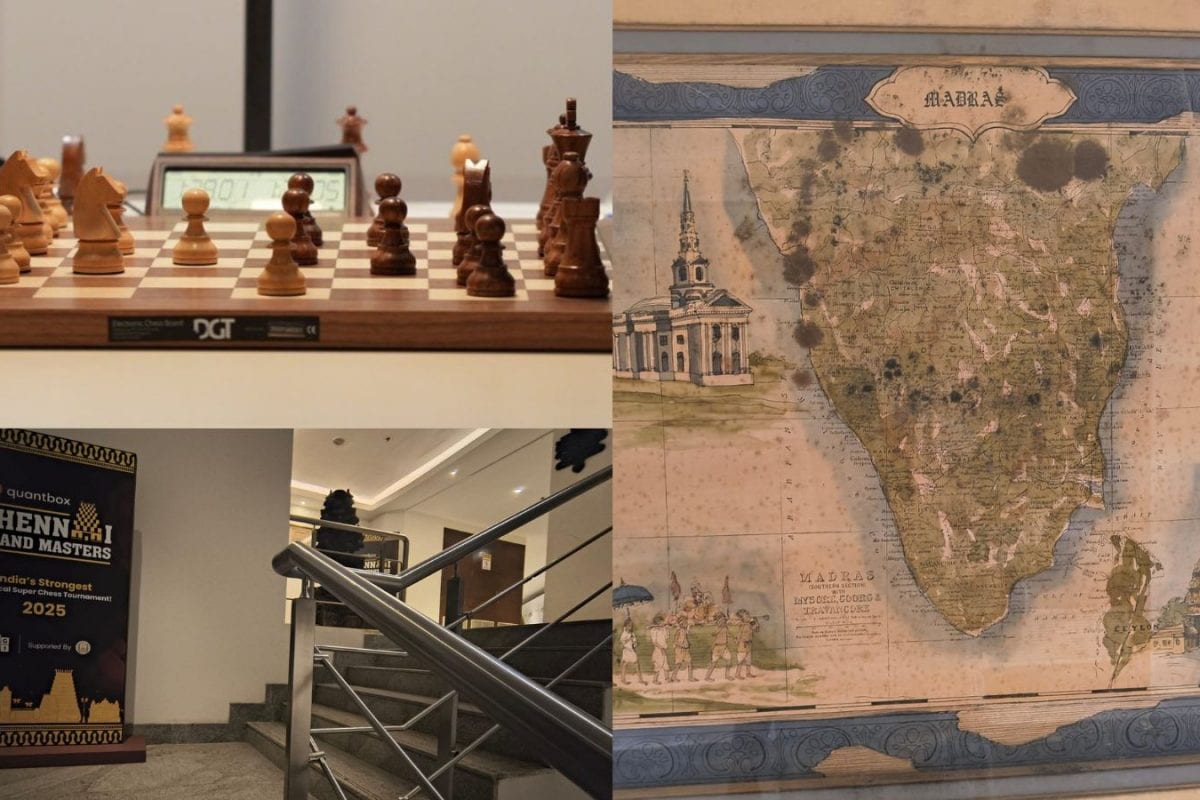
The ancient Indian game of chess, known as Tamizh chess or Sathurangam, is now being brought to life by a group of enthusiasts to promote the ancient art of strategy in a new light. Through their efforts, they want to ensure that this classic game, which had evolved separately from the modern game, doesn't get forgotten.
Historians believe the present-day game of chess that we play, originated from India, and made its way through Persia and Europe using the Silk Route, where it evolved into the current form. However, very few are aware that the game existed in its present form in India way before the Common Era, having been mentioned in the great Hindu epic, the Mahabharata.
The game evolved regionally as well, with the development of different variants like Sathurangam, which was popular in the southern Indian state of Tamizh Nadu. This variant is significantly different from the modern game, using different pieces and rules. The elephant, for example, is used as a piece in Sathurangam, a departure from the modern horse.
Recently, chess researcher and trainer Sandeep Ravichandar and his colleagues began working to keep this ancient game alive. They have digitized the board, developed a mobile app, and even host seminars to teach people and revive this ancient strategy game. According to Sandeep, the modern game and Sathurangam have different underlying strategies. While the former is more offensive, the latter is more defensive, making it a unique challenge.
As part of their efforts to promote the game to a wider audience, they have also conducted experiments by introducing the game in corporate training sessions to improve strategic thinking, problem-solving, and planning among professionals.
Sandeep summarized his efforts to revive the ancient game by stating that chess is not just a game, but a representation of Indian culture and a source of valuable life lessons and morals.
Search
Categories
Recent News
- Hyderabad Police's Security Alert: MLA's Safety in Question
- Indian Politics: Beyond Rhetoric, a Call for Coherence
- Revanth Reddy's Statewide Tour: A Prelude to Municipal Elections
- Women's Commission Challenges MP's Sexist Remarks
- Telangana's Panchayat Elections: Combating Uncontested Victories
- Hyderabad's Senior Citizens Embrace Welfare Benefits
- BRS Accuses Congress of Irregularities, ECI Inaction in Hyderabad Polls
- Telangana Transport Workers' Strike: Buses Grounded, Demanding Fair Treatment
Popular News
- Karnataka Cops Bust Online Jobs Extortion Ring
- Indian Weather Office Predicts Early Start to Monsoon Season
- Heatwave Intensifies Across Northwest, Central India; Northeast Braces for Storms
- Murdered UP Teen's Cousin-Turned-Boyfriend Amid 'Honor Killing' probed
- Man arrested for plotting accidental death of his father