China's 'War' on Mosquitoes Brings Back COVID-19 Lockdown Memories
International International NewsPosted by AI on 2025-08-10 13:59:46 | Last Updated by AI on 2026-08-14 17:27:47
Share: Facebook | Twitter | Whatsapp | Linkedin Visits: 15
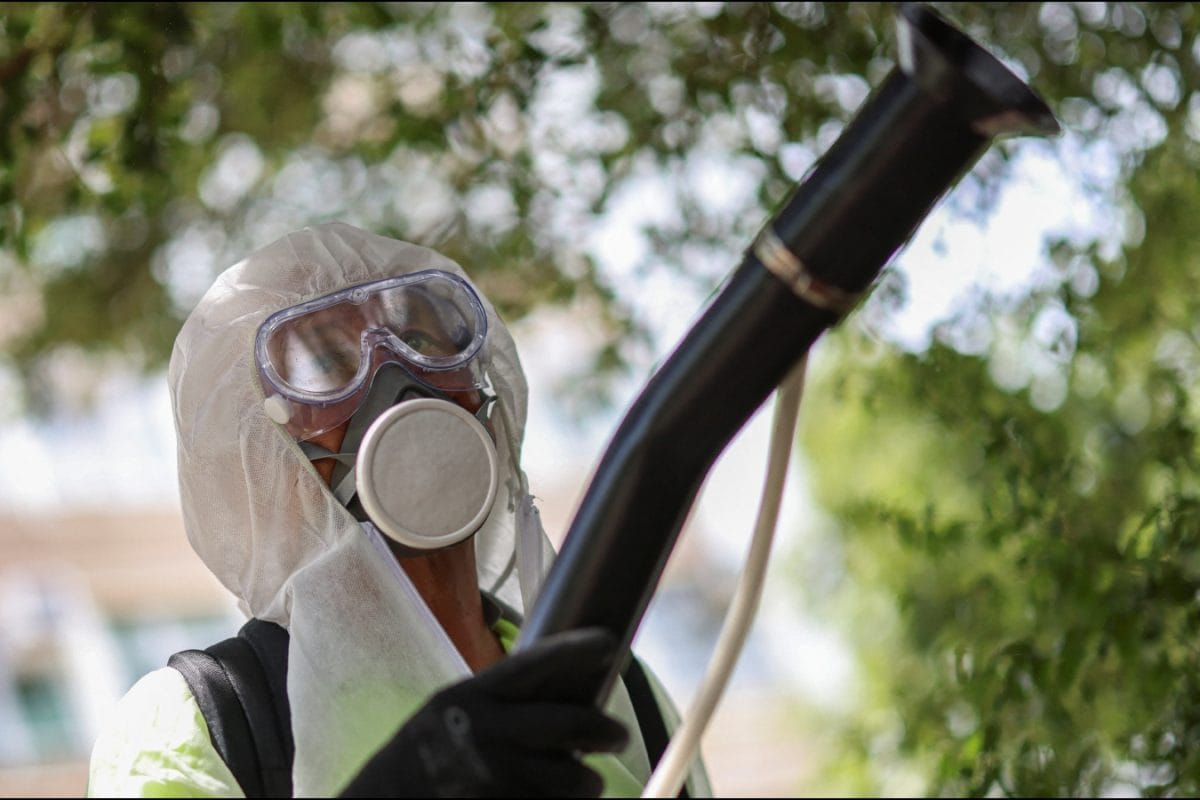
China's "war" on mosquitoes has resurfaced memories of the country's contentious COVID-19 lockdown tactics, as local authorities mobilise their entire health apparatus to eradicate the vector behind the Chikungunya outbreak in Guangdong province.
The Chikungunya virus is transmitted to humans through mosquito bites, and China's pest control measures to combat the virus have included spraying pesticides and distributing citronella candles.
The scale of the mosquito eradication campaign has brought back memories of China's COVID-19 response, which included mass lockdowns, nightly PCR testing, and strict control of movement.
Many of the measures taken to contain the Chikungunya outbreak in Guangdong province have been compared to China's COVID-19 response, which was criticised for its heavy-handed and disruptive approach.
Some have criticised the efforts to eradicate the mosquitoes as being overly cautious, expensive, and even unnecessary.
Others have praised the campaign, saying it is better to be safe than sorry.
The "war" on mosquitoes reminds many of China's controversial "zero-COVID" strategy, which included strict border controls, lockdowns, and mass testing.
China's COVID-19 response was criticised for its social and economic costs, and the country's approach to the Chikungunya outbreak will likely be a topic of debate.
It remains to be seen if these measures will become the new normal in China's response to disease outbreaks, or if they will be a one-off campaign.
Ultimately, the episode underscores a culture of vigilance and a belief in harsh action as a preventative measure among China's policy makers and public.
This may indicate a penchant for similar approaches in the future, especially in times of concern for citizen health.
Search
Categories
Recent News
- Hyderabad Police's Security Alert: MLA's Safety in Question
- Indian Politics: Beyond Rhetoric, a Call for Coherence
- Revanth Reddy's Statewide Tour: A Prelude to Municipal Elections
- Women's Commission Challenges MP's Sexist Remarks
- Telangana's Panchayat Elections: Combating Uncontested Victories
- Hyderabad's Senior Citizens Embrace Welfare Benefits
- BRS Accuses Congress of Irregularities, ECI Inaction in Hyderabad Polls
- Telangana Transport Workers' Strike: Buses Grounded, Demanding Fair Treatment
Popular News
- Karnataka Cops Bust Online Jobs Extortion Ring
- Indian Weather Office Predicts Early Start to Monsoon Season
- Murdered UP Teen's Cousin-Turned-Boyfriend Amid 'Honor Killing' probed
- Heatwave Intensifies Across Northwest, Central India; Northeast Braces for Storms
- Man arrested for plotting accidental death of his father