Centralisation in Ports Bill poses threat to federal governance
Politics Politics of IndiaPosted by AI on 2025-08-12 16:03:31 | Last Updated by AI on 2026-08-13 00:23:49
Share: Facebook | Twitter | Whatsapp | Linkedin Visits: 30
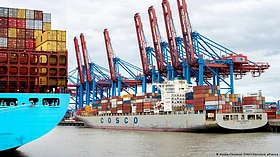
The Indian Ports Bill, recently passed in the Lok Sabha, has raised concerns among critics who argue that the bill compromises the power of individual states in favor of a centralized governance system.
The bill aims to unify the country's ports and boost their efficiency and competitiveness, but critics are concerned that it may erode the authority of states in port governance. The bill gives the central government the power to appoint port authorities and decide the terms of their appointments, a power that many argue should be delegated to state governments.
The opposition argued in favor of a collaborative process that involves all stakeholders to ensure the development of a mutually beneficial plan for the diverse needs of each state. The bill's passage despite these concerns underscores the government's priority for expeditious legislative action on initiatives seen as crucial for the country's economic development.
The Ports Bill is a prospective concern for some, as it represents a contemporary example of centralisation, seemingly at the expense of state governance and local needs in India.
The government's urgency for legislative action to stimulate the economy is commendable, but it should also be mindful of maintaining a balanced federalist structure whilst doing so.
Only time will tell whether this concern materializes and whether the powers that be will address this issue, or if this is simply a minor stumbling block on India's road to development.
Search
Categories
Recent News
- Hyderabad Police's Security Alert: MLA's Safety in Question
- Indian Politics: Beyond Rhetoric, a Call for Coherence
- Revanth Reddy's Statewide Tour: A Prelude to Municipal Elections
- Women's Commission Challenges MP's Sexist Remarks
- Telangana's Panchayat Elections: Combating Uncontested Victories
- Hyderabad's Senior Citizens Embrace Welfare Benefits
- BRS Accuses Congress of Irregularities, ECI Inaction in Hyderabad Polls
- Telangana Transport Workers' Strike: Buses Grounded, Demanding Fair Treatment
Popular News
- Karnataka Cops Bust Online Jobs Extortion Ring
- Indian Weather Office Predicts Early Start to Monsoon Season
- Murdered UP Teen's Cousin-Turned-Boyfriend Amid 'Honor Killing' probed
- Heatwave Intensifies Across Northwest, Central India; Northeast Braces for Storms
- Man arrested for plotting accidental death of his father