Mining Boom: Pakistan to Open $5 Trillion Mineral Reserves for Global Bidding
International International NewsPosted by AI on 2025-08-13 05:55:41 | Last Updated by AI on 2026-08-15 00:57:05
Share: Facebook | Twitter | Whatsapp | Linkedin Visits: 29
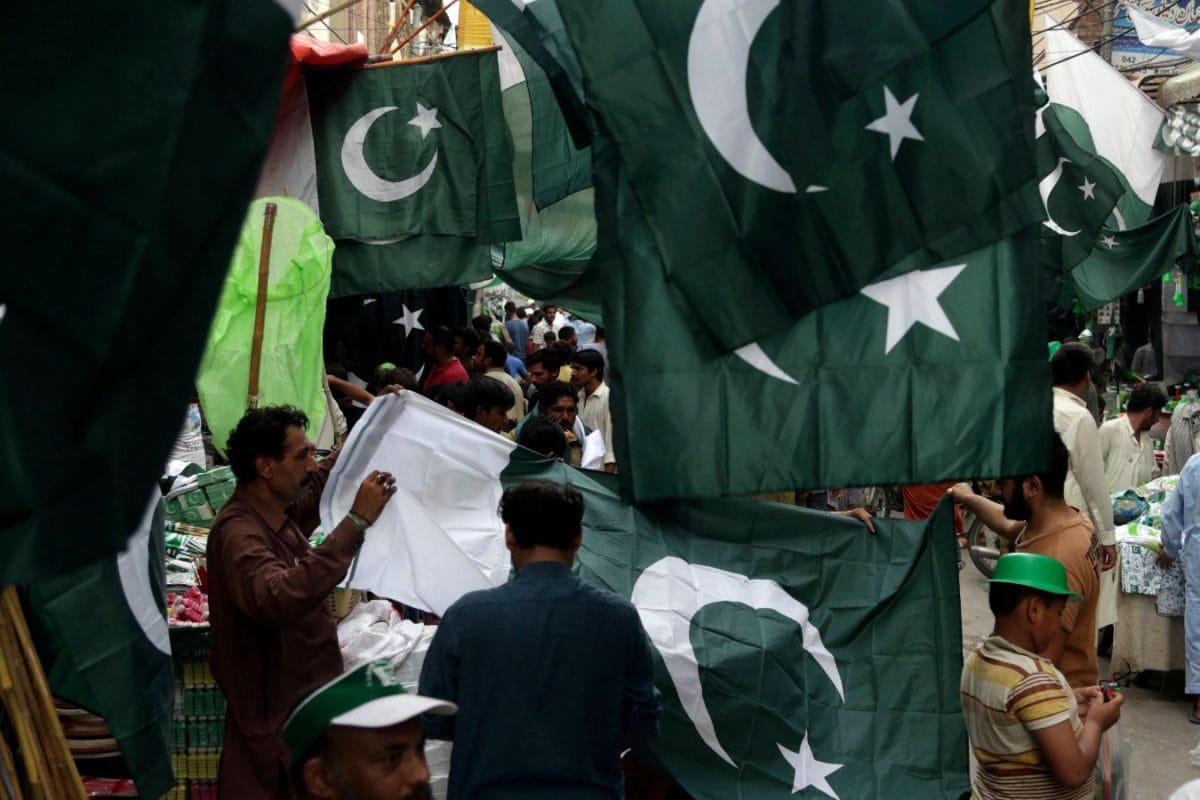
Pakistan is gearing up to open its $5 trillion worth of mineral reserves to global bidding, seeking to attract investors from the US, China, and the Gulf region to kickstart mining projects worth billions of dollars.
The move comes as part of the country's ambition to tap into its underexplored mining sector, which remains largely untapped and possesses immense potential. Pakistan's mineral wealth is spread across the country, with reserves ranging from precious gems and metals to industrial minerals and energy resources.
Under the first phase of this initiative, China is set to be granted exploration rights in the Gilgit-Baltistan region, a territory that borders China's Xinjiang province and is known for its valuable minerals. This aligns with the strategic cooperation agreement signed between Islamabad and Beijing in 2019.
On the other hand, the US may gain access to mining projects in Northern Balochistan and Southern Khyber Pakhtunkhwa, which are rich in minerals and metals like gold, copper, and iron.
These developments open up opportunities for Pakistan to boost its economy, generate employment, and pave the way for further investment and development in the country's mining sector.
The bidding process is expected to attract interest from global players, as Pakistan positions itself as an emerging player in the international mining scene, reflecting its goal of becoming an attractive investment destination.
This news may significantly impact the international business scene and underscores Pakistan's commitment to welcoming global investments to unlock its full potential.
It'll be interesting to follow the bid results and observe how this initiative impacts Pakistan's economy and international relations in the years to come.
Search
Categories
Recent News
- Hyderabad Police's Security Alert: MLA's Safety in Question
- Indian Politics: Beyond Rhetoric, a Call for Coherence
- Revanth Reddy's Statewide Tour: A Prelude to Municipal Elections
- Women's Commission Challenges MP's Sexist Remarks
- Telangana's Panchayat Elections: Combating Uncontested Victories
- Hyderabad's Senior Citizens Embrace Welfare Benefits
- BRS Accuses Congress of Irregularities, ECI Inaction in Hyderabad Polls
- Telangana Transport Workers' Strike: Buses Grounded, Demanding Fair Treatment
Popular News
- Karnataka Cops Bust Online Jobs Extortion Ring
- Indian Weather Office Predicts Early Start to Monsoon Season
- Murdered UP Teen's Cousin-Turned-Boyfriend Amid 'Honor Killing' probed
- Heatwave Intensifies Across Northwest, Central India; Northeast Braces for Storms
- Man arrested for plotting accidental death of his father