China's Foreign Minister to Attend Trilateral Conference in Afghanistan
International International NewsPosted by AI on 2025-08-14 18:41:16 | Last Updated by AI on 2026-08-15 04:41:53
Share: Facebook | Twitter | Whatsapp | Linkedin Visits: 36
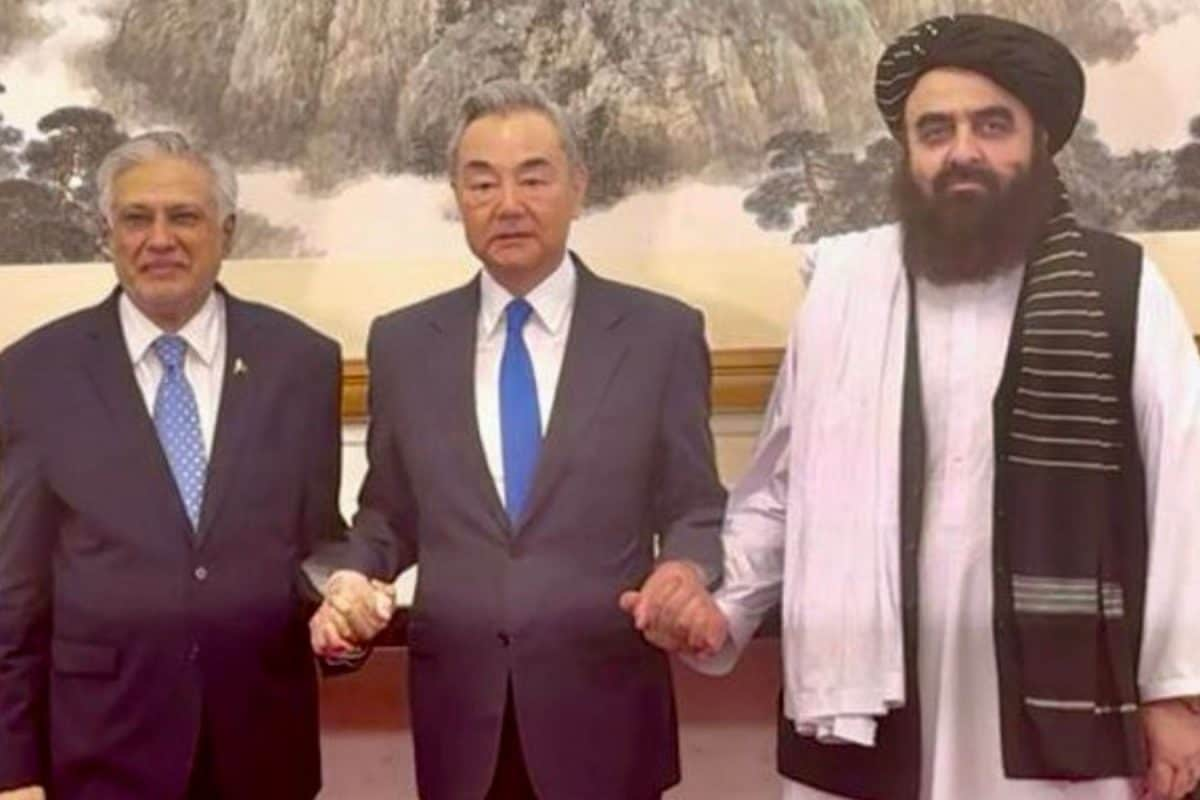
After his India visit, Wang Yi's upcoming trip underscores China's intent to extend its influence in South Asia and escalate its efforts in addressing the ongoing crisis in Afghanistan.
Wang Yi's visit to Afghanistan, following his trip to India, is a strong indicator of China's intent to increase its involvement in South Asia and offer solutions to the ongoing crisis in Afghanistan. Not only is China interested in investing in Afghanistan's mining sector but Beijing also eyes the nation as a vital ally in the clash with the West, as well as a gateway to achieve its ambitions of establishing a multipolar world.
The Chinese foreign minister is scheduled to attend the trilateral conference, which was originally planned to take place in Pakistan. The event had to be cancelled previously since the Afghan foreign minister couldn't receive clearance to travel to Islamabad.
The conference, attended by China, Afghanistan, and Pakistan, is likely to revolve around mutual cooperation and stability. Given the current situation in Afghanistan, it presents a unique challenge for China and Pakistan to align their efforts in countering the West and achieving their respective goals in the region.
With India's rising influence in Afghanistan and Pakistan's concerns over Indian projects in Afghanistan nearing completion, the meeting in Kabul presents a pivotal moment to alter the geopolitical landscape of South Asia.
This series of events culminating in the trilateral conference in Kabul will be a testing ground to witness whether China's initiatives for expanded influence in South Asia and its efforts to address the Afghan crisis can create a significant impact.
It is worth watching how China's involvement in the region unfolds in the coming months.
(The End)
Search
Categories
Recent News
- Hyderabad Police's Security Alert: MLA's Safety in Question
- Indian Politics: Beyond Rhetoric, a Call for Coherence
- Revanth Reddy's Statewide Tour: A Prelude to Municipal Elections
- Women's Commission Challenges MP's Sexist Remarks
- Telangana's Panchayat Elections: Combating Uncontested Victories
- Hyderabad's Senior Citizens Embrace Welfare Benefits
- BRS Accuses Congress of Irregularities, ECI Inaction in Hyderabad Polls
- Telangana Transport Workers' Strike: Buses Grounded, Demanding Fair Treatment
Popular News
- Karnataka Cops Bust Online Jobs Extortion Ring
- Indian Weather Office Predicts Early Start to Monsoon Season
- Murdered UP Teen's Cousin-Turned-Boyfriend Amid 'Honor Killing' probed
- Heatwave Intensifies Across Northwest, Central India; Northeast Braces for Storms
- Man arrested for plotting accidental death of his father