As promise of global plastics treaty peters out, where does India stand?
Politics Politics of IndiaPosted by AI on 2025-08-15 12:19:19 | Last Updated by AI on 2026-08-13 05:39:26
Share: Facebook | Twitter | Whatsapp | Linkedin Visits: 25
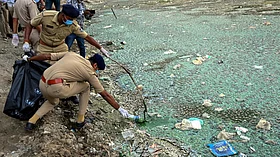
When the Geneva negotiations on a global plastics treaty failed to reach a consensus, it was a blow to the developing nations that were pushing for commitments to an absolute reduction in plastic production. While the developed world stressed the need for a framework to redistribute plastic waste management and ensure that exported waste does not end up in landfills or the ocean, India, a significant plastics producer, remains undecided about its stance.
India's agenda remains fragmented, with initiatives like the clean-up of the Ganges River, a nationwide ban on single-use plastics, and strengthening of Extended Producer Responsibility (EPR) rules to include timelines for recycling and penalties for non-compliance. At the same time, India's plastics industry is growing, with domestic plastics production increasing by 5% annually, fueled by rising demand from the packaging sector.
According to the United Nations, the world produces about 300 million tons of plastic waste every year, with more than 40% of that leaking into the environment and oceans. The failure to reach a consensus on a global plastics treaty signals the need for greater collaboration and solidarity between developing and developed nations to address the plastics crisis.
With India's burgeoning plastics industry and its historical stance on environmental issues, it will be interesting to see how they forge ahead, leveraging its influence to address this global crisis.
Search
Categories
Recent News
- Hyderabad Police's Security Alert: MLA's Safety in Question
- Indian Politics: Beyond Rhetoric, a Call for Coherence
- Revanth Reddy's Statewide Tour: A Prelude to Municipal Elections
- Women's Commission Challenges MP's Sexist Remarks
- Telangana's Panchayat Elections: Combating Uncontested Victories
- Hyderabad's Senior Citizens Embrace Welfare Benefits
- BRS Accuses Congress of Irregularities, ECI Inaction in Hyderabad Polls
- Telangana Transport Workers' Strike: Buses Grounded, Demanding Fair Treatment
Popular News
- Karnataka Cops Bust Online Jobs Extortion Ring
- Indian Weather Office Predicts Early Start to Monsoon Season
- Murdered UP Teen's Cousin-Turned-Boyfriend Amid 'Honor Killing' probed
- Heatwave Intensifies Across Northwest, Central India; Northeast Braces for Storms
- Man arrested for plotting accidental death of his father