Centenarian trees falling victim to poor planning, pollution
International International NewsPosted by AI on 2025-08-16 07:52:51 | Last Updated by AI on 2026-08-15 06:56:36
Share: Facebook | Twitter | Whatsapp | Linkedin Visits: 24
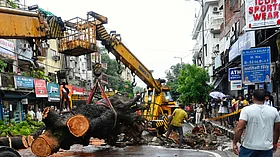
For decades, the lush trees of Delhi have provided locals with a much-needed escape from the oppressive northern Indian summers. Now, with many decades of life left in them, these very trees have become a hazard to the same people they once sheltered. Poor urban planning and a lack of oversight are causing unchecked pollution and neglect to turn Delhi's once life-giving trees into deadly projectiles.
As monsoons arrive this year, many of the Indian capital's largest trees are diseased, decaying, and prone to falling. Some of them are upwards of 100 years old. In recent months, these giants have been crashing down on homes, cars, and people, leading many to label the city's once-proud greenery as a "potential hazard."
Experts say that decades of mismanagement and neglect have left the city's trees vulnerable. Among the intractable issues is a lack of designated space for roots to spread out, cramped conditions that make it difficult for trees to hold onto the earth around them, and poor pruning practices that have promoted decay.
Monsoon seasons, beyond just bringing heavier than normal rainfall, also bring fierce winds that cause roots to give way and trees to topple. Experts say that while decaying trees do pose a threat, poorly planned construction and encroachment of spaces around the trees are the primary factors in these dangerous incidents.
With incidents on the rise and calls for action growing louder, the Delhi government has said it would step in to address the issue. For those whose homes and lives have been impacted, it can't happen soon enough.
Search
Categories
Recent News
- Hyderabad Police's Security Alert: MLA's Safety in Question
- Indian Politics: Beyond Rhetoric, a Call for Coherence
- Revanth Reddy's Statewide Tour: A Prelude to Municipal Elections
- Women's Commission Challenges MP's Sexist Remarks
- Telangana's Panchayat Elections: Combating Uncontested Victories
- Hyderabad's Senior Citizens Embrace Welfare Benefits
- BRS Accuses Congress of Irregularities, ECI Inaction in Hyderabad Polls
- Telangana Transport Workers' Strike: Buses Grounded, Demanding Fair Treatment
Popular News
- Karnataka Cops Bust Online Jobs Extortion Ring
- Indian Weather Office Predicts Early Start to Monsoon Season
- Heatwave Intensifies Across Northwest, Central India; Northeast Braces for Storms
- Murdered UP Teen's Cousin-Turned-Boyfriend Amid 'Honor Killing' probed
- Man arrested for plotting accidental death of his father