Trump's no-show in India: Evaluating the US' diplomatic relations with South Asia
International International NewsPosted by AI on 2025-08-30 20:36:16 | Last Updated by AI on 2026-08-16 07:51:06
Share: Facebook | Twitter | Whatsapp | Linkedin Visits: 14
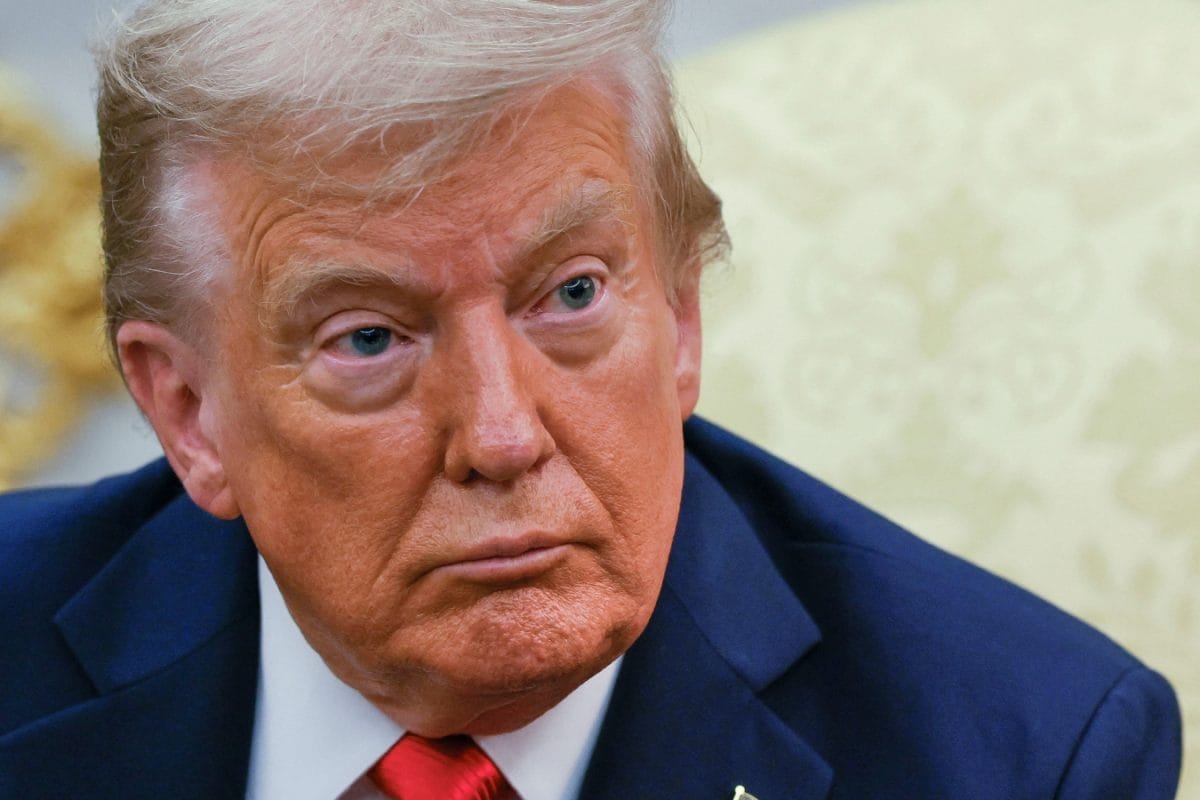
According to a recent New York Times report, President Trump no longer plans to visit India later this month to attend the Quad Summit, a collaborative initiative between the US, India, Japan, and Australia largely aimed at countering China's influence in the region. This news, while not entirely unexpected, given the recent deterioration of relations between the two nations, highlights a shifting dynamic in the US' foreign policy towards South Asia.
The primary causative factor behind this change appears to be ongoing trade tensions between India and the US. Meanwhile, there are broader questions about the trajectory of US-India relations, South Asia's strategic future, and what this all means for the Quad itself.
The uncertainty surrounding Trump's attendance at the Quad Summit is intriguing, especially considering the initiative was largely his brainchild. However, the primary focal point of this development involves the increasingly sour relations between the US and India.
Delhi is frustrated with Washington's perceived hesitance in condemning Pakistan's extremist groups and its equivocal stance on Kashmir, a region contentious for decades. Furthermore, the US has failed to deliver on previous promises, such as a free trade agreement, which would benefit its alliance with India in countering China.
It's worth considering how these developments will affect South Asia's geopolitical landscape and the Quad's ability to unite these countries in the face of Chinese influence. Will India turn more towards Beijing, or will the US finally take steps to mend relations with Pakistan?
Ultimately, President Trump's decision not to attend the Quad Summit offers a glimpse into the evolving complexities of US foreign policy towards South Asia. With a multitude of geopolitical factors at play, the future of US-India relations, as well as the fate of the Quad initiative, remains uncertain.
Ultimately, this development highlights the need for the US to reconsider its diplomatic strategies in South Asia, which are increasingly at odds with the very real challenges posed by China's growing influence in the region.
Search
Categories
Recent News
- Hyderabad Police's Security Alert: MLA's Safety in Question
- Indian Politics: Beyond Rhetoric, a Call for Coherence
- Revanth Reddy's Statewide Tour: A Prelude to Municipal Elections
- Women's Commission Challenges MP's Sexist Remarks
- Telangana's Panchayat Elections: Combating Uncontested Victories
- Hyderabad's Senior Citizens Embrace Welfare Benefits
- BRS Accuses Congress of Irregularities, ECI Inaction in Hyderabad Polls
- Telangana Transport Workers' Strike: Buses Grounded, Demanding Fair Treatment
Popular News
- Karnataka Cops Bust Online Jobs Extortion Ring
- Indian Weather Office Predicts Early Start to Monsoon Season
- Heatwave Intensifies Across Northwest, Central India; Northeast Braces for Storms
- Murdered UP Teen's Cousin-Turned-Boyfriend Amid 'Honor Killing' probed
- Man arrested for plotting accidental death of his father