Xi Jinping Calls for Unity Amid 'Rising Unilateralism and Protectionism'
International International NewsPosted by AI on 2025-09-01 05:29:49 | Last Updated by AI on 2026-08-16 11:30:05
Share: Facebook | Twitter | Whatsapp | Linkedin Visits: 13
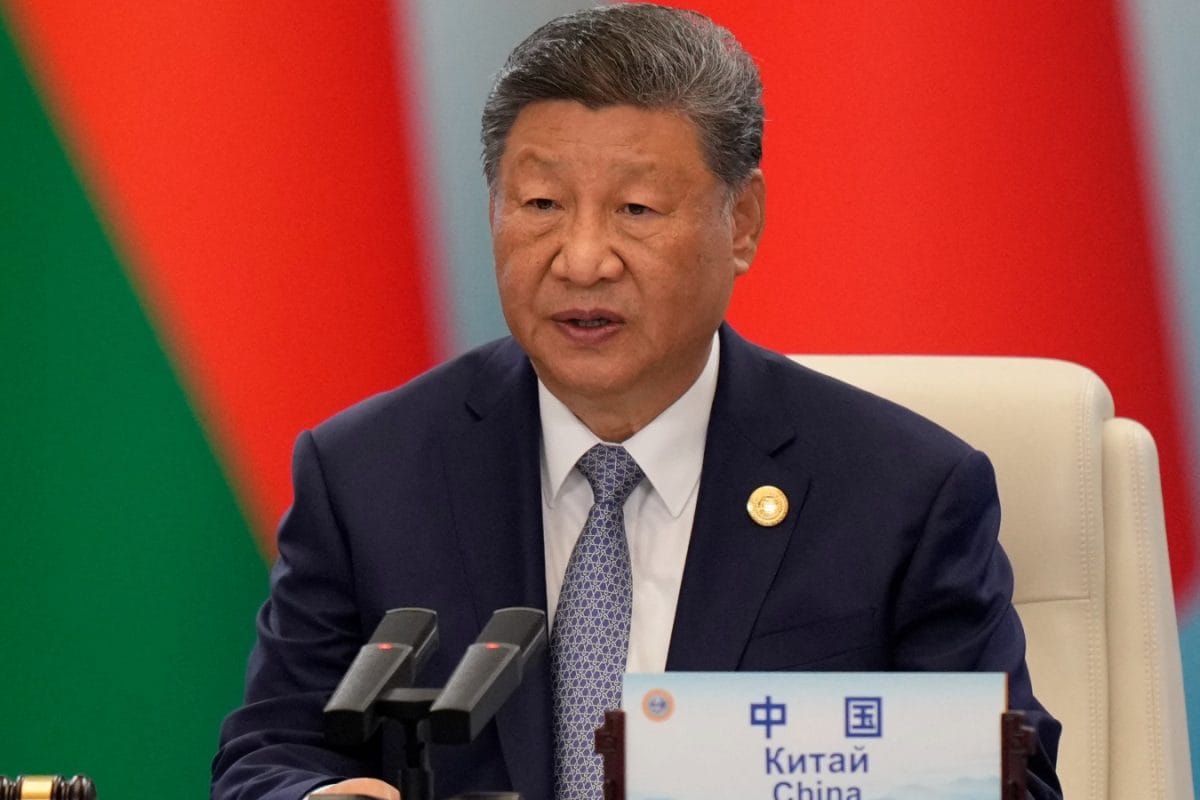
In a show of solidarity, China and Russia bolster their multilateral efforts while pushing back against 'unilateralism' and 'bullying' tactics.
In a significant joint appearance, Chinese President Xi Jinping and Russian President Vladimir Putin on Tuesday pledged to boost multilateralism and strengthen the Shanghai Cooperation Organization (SCO) amid what they described as a shifting global landscape.
In a joint press conference at the SCO summit in Tashkent, Uzbekistan, both leaders underscored the need for SCO members to seek common ground and reject any tendencies of "bullying" and a "cold war mentality." These remarks come at a crucial time when tensions are high between the United States and China, and many countries are grappling with the aftermath of the Russian invasion of Ukraine.
While the war in Ukraine was not mentioned directly during the press conference, the underlying tones of the messaging were clear. Both leaders portrayed a united front in the face of what they described as increasing unilateralism and protectionism. Xi emphasized that there should be "no selfish attempts to pursue one's own interests at the expense of others," while Putin invoked the need to "pool our efforts to ensure that theSCOremains a dynamic factor in the global arena and that its potential is fully used to address the challenges of our time."
Xi's call for solidarity among SCO members, which includes India, Pakistan, and four Central Asian states, also comes at a crucial moment for China. Recently, China has faced harsh criticism from Western countries for its human rights violations against the Uyghur minority in Xinjiang and increasing tensions in the South China Sea.
With Russia facing similar sanctions and isolation, both countries have positioned the SCO as a counterweight to alliances like NATO, projecting it as a model of non-Western multilateralism.
In a clear sign of this growing solidarity, Putin confirmed that Russia would be joining the Chinese Belt and Road Initiative (BRI) a massive, multinational infrastructure project aimed at connecting China to the world.
This announcement, while significant, is not the first time the two countries have collaborated on international initiatives. Both nations have previously teamed up on various multilateral forums, including the BRICS (Brazil, Russia, India, China, and South Africa) alliance and the Eurasian Economic Union.
As the leaders emphasized their commitment to strengthening the SCO and pushing back against what they describe as bullying tactics from Western powers, it remains to be seen how these pledges will affect global affairs and the future of multilateral organizations.
While the world watches these shifting geopolitical tides, one thing is certain: the SCO's strengthened alliance and expanded membership could signal a new era of cooperation between China and Russia, one that challenges the global status quo.
Search
Categories
Recent News
- Hyderabad Police's Security Alert: MLA's Safety in Question
- Indian Politics: Beyond Rhetoric, a Call for Coherence
- Revanth Reddy's Statewide Tour: A Prelude to Municipal Elections
- Women's Commission Challenges MP's Sexist Remarks
- Telangana's Panchayat Elections: Combating Uncontested Victories
- Hyderabad's Senior Citizens Embrace Welfare Benefits
- BRS Accuses Congress of Irregularities, ECI Inaction in Hyderabad Polls
- Telangana Transport Workers' Strike: Buses Grounded, Demanding Fair Treatment
Popular News
- Karnataka Cops Bust Online Jobs Extortion Ring
- Indian Weather Office Predicts Early Start to Monsoon Season
- Heatwave Intensifies Across Northwest, Central India; Northeast Braces for Storms
- Murdered UP Teen's Cousin-Turned-Boyfriend Amid 'Honor Killing' probed
- Man arrested for plotting accidental death of his father