The Bangladeshi slur: Stoking xenophobia and racism in India
International International NewsPosted by AI on 2025-09-02 17:43:58 | Last Updated by AI on 2026-08-16 16:45:11
Share: Facebook | Twitter | Whatsapp | Linkedin Visits: 13
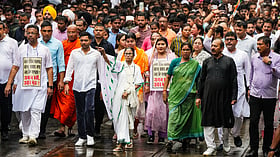
In recent years, a disturbing trend has emerged in India: an increasing tendency to use the term "Bangladeshi" as a pejorative slurs by those who resent Bengalis, whether they are citizens of India or not. This rhetoric is rooted in nativism, xenophobia, and even racism in some cases.
Just this past week in the state of West Bengal, lawmakers from Prime Minister Narendra Modi's Bharatiya Janata Party (BJP) allegedly sought to stir up tensions with inflammatory rhetoric aimed at Muslims, calling them "termites" and urging locals to boycott shops owned by Muslims. As Bangladeshi Muslims are a significant minority in India, they have become targets of the expanding Bengali hate.
Even in Kolkata, the main city in West Bengal and a historically cosmopolitan place, the toxic 'Bangladeshi' slur has gained a foothold. Local media reports have documented racial profiling on the basis of linguistic accents and the signing of allegedly fictitious petitions demanding the expulsion of Bangladeshi nationals.
This is not just a problem in West Bengal. In Assam, a state in northeastern India bordering Bangladesh, a decades-long agitation has targeted the Bengali-speaking ethnic group of Muslims, the Biharis, who were originally migrants from present-day Bihar state. They have long faced discrimination and were targeted by the Assam Agitation, a movement that sought to expel foreign nationals from the state. Although most Biharis have now obtained Indian citizenship, they continue to face discrimination and are often regarded as outsiders.
The targeting of Bengalis is not confined to Indian borders. In neighboring Bangladesh, a notorious riot in 1983when thousands of Bengali Hindus were killed and hundreds of thousands more fled to Indiawas sparked by a derogatory slur sprayed on a wall in the city of Dhaka.
The evocation of the "Bangladeshi" trope need not even be verbal. A prominent Indian sweets shop, founded in Kolkata by a Bengali family, became the target of a boycott campaign on social media with the hashtag #BoycottBengaliProduct. The idea behind the campaign, which garnered some traction online, was to attack Bengali businesses on the premise that they were secretly "Bangladeshi."
The insidious "Bangladeshi" trope has destructive power and can lay claims to a xenophobic, racist past in India. As Bangladesh and India continue to build ties, it is essential that politicians and the general public reject this venomous narrative that could jeopardize the peaceful coexistence of peoples of both nations.
K.T. Rama Rao, a Cabinet minister in the Telangana government, expressed it best: "We are all Bengals. The hatred for Bengalis is ingrained in the DNA of the BJP."
Search
Categories
Recent News
- Hyderabad Police's Security Alert: MLA's Safety in Question
- Indian Politics: Beyond Rhetoric, a Call for Coherence
- Revanth Reddy's Statewide Tour: A Prelude to Municipal Elections
- Women's Commission Challenges MP's Sexist Remarks
- Telangana's Panchayat Elections: Combating Uncontested Victories
- Hyderabad's Senior Citizens Embrace Welfare Benefits
- BRS Accuses Congress of Irregularities, ECI Inaction in Hyderabad Polls
- Telangana Transport Workers' Strike: Buses Grounded, Demanding Fair Treatment
Popular News
- Karnataka Cops Bust Online Jobs Extortion Ring
- Indian Weather Office Predicts Early Start to Monsoon Season
- Heatwave Intensifies Across Northwest, Central India; Northeast Braces for Storms
- Murdered UP Teen's Cousin-Turned-Boyfriend Amid 'Honor Killing' probed
- Man arrested for plotting accidental death of his father