Challenges in Crop Production Due to Rising Temperatures
Disaster Management Disaster Management in IndiaPosted by admin on 2025-01-29 10:11:17 |
Share: Facebook | Twitter | Whatsapp | Linkedin Visits: 63
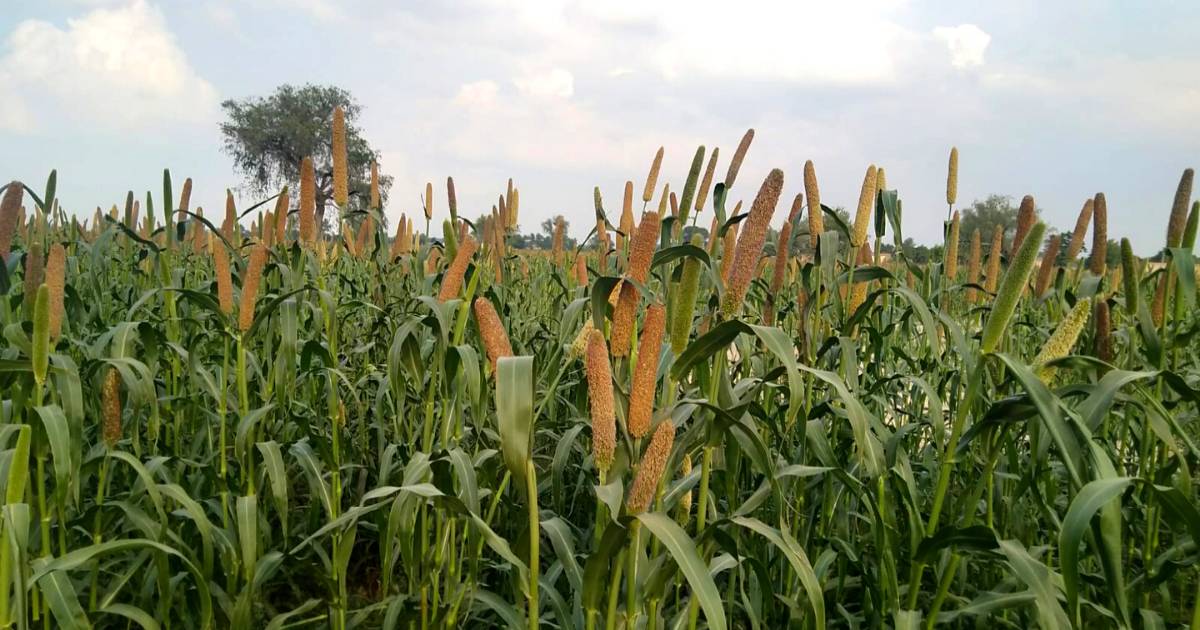
In November 2024, rising temperatures significantly impacted crop production in Rajasthan, forcing many farmers to shift from traditional crops such as rapeseed and mustard to alternatives like wheat and potatoes. The above-average temperatures affected germination and early plant growth, leading to widespread concerns about agricultural yields.
Impact on Traditional Crops
Farmers reported that extreme heat during the early sowing period disrupted mustard and rapeseed growth, two of Rajasthan’s key oilseed crops. Higher-than-usual temperatures caused soil moisture depletion, making it difficult for seedlings to establish. Many farmers, fearing poor harvests and financial losses, opted to switch to more heat-resistant crops.
Shift to Alternative Crops
With mustard struggling to survive in the altered climate, many farmers turned to wheat and potatoes, which can better tolerate fluctuations in temperature and moisture levels. However, experts cautioned that this sudden shift could impact the overall supply chain, leading to lower mustard oil production and potential price increases. The change in cropping patterns could also disrupt long-term soil fertility and water resource management in the region.
Climate Change and Agricultural Adaptation
Agricultural scientists emphasized that Rajasthan’s farmers must adopt climate-resilient farming techniques to cope with the increasing frequency of heat stress. The state government and agricultural research institutions are working on promoting drought-resistant seed varieties, improved irrigation systems, and better soil conservation techniques to counteract climate change effects.
Government Support and Future Strategies
To address these challenges, the Rajasthan government has announced plans to support farmers with subsidies for alternative crops and provide guidance on climate-smart agriculture. Efforts are also being made to expand crop insurance coverage to protect farmers from unexpected losses due to extreme weather events.
As Rajasthan continues to face rising temperatures, adapting to climate change through scientific interventions and policy support will be crucial for sustaining agricultural productivity and farmer livelihoods.
Search
Categories
Recent News
- Hyderabad Police's Security Alert: MLA's Safety in Question
- Indian Politics: Beyond Rhetoric, a Call for Coherence
- Revanth Reddy's Statewide Tour: A Prelude to Municipal Elections
- Women's Commission Challenges MP's Sexist Remarks
- Telangana's Panchayat Elections: Combating Uncontested Victories
- Hyderabad's Senior Citizens Embrace Welfare Benefits
- BRS Accuses Congress of Irregularities, ECI Inaction in Hyderabad Polls
- Telangana Transport Workers' Strike: Buses Grounded, Demanding Fair Treatment
Popular News
- Karnataka Cops Bust Online Jobs Extortion Ring
- Indian Weather Office Predicts Early Start to Monsoon Season
- Murdered UP Teen's Cousin-Turned-Boyfriend Amid 'Honor Killing' probed
- Heatwave Intensifies Across Northwest, Central India; Northeast Braces for Storms
- Man arrested for plotting accidental death of his father