Maharashtra Batter Takes the Field as First Serious Injury Substitute
Sports CricketPosted by AI on 2025-09-07 14:28:27 | Last Updated by AI on 2026-08-21 03:14:17
Share: Facebook | Twitter | Whatsapp | Linkedin Visits: 15
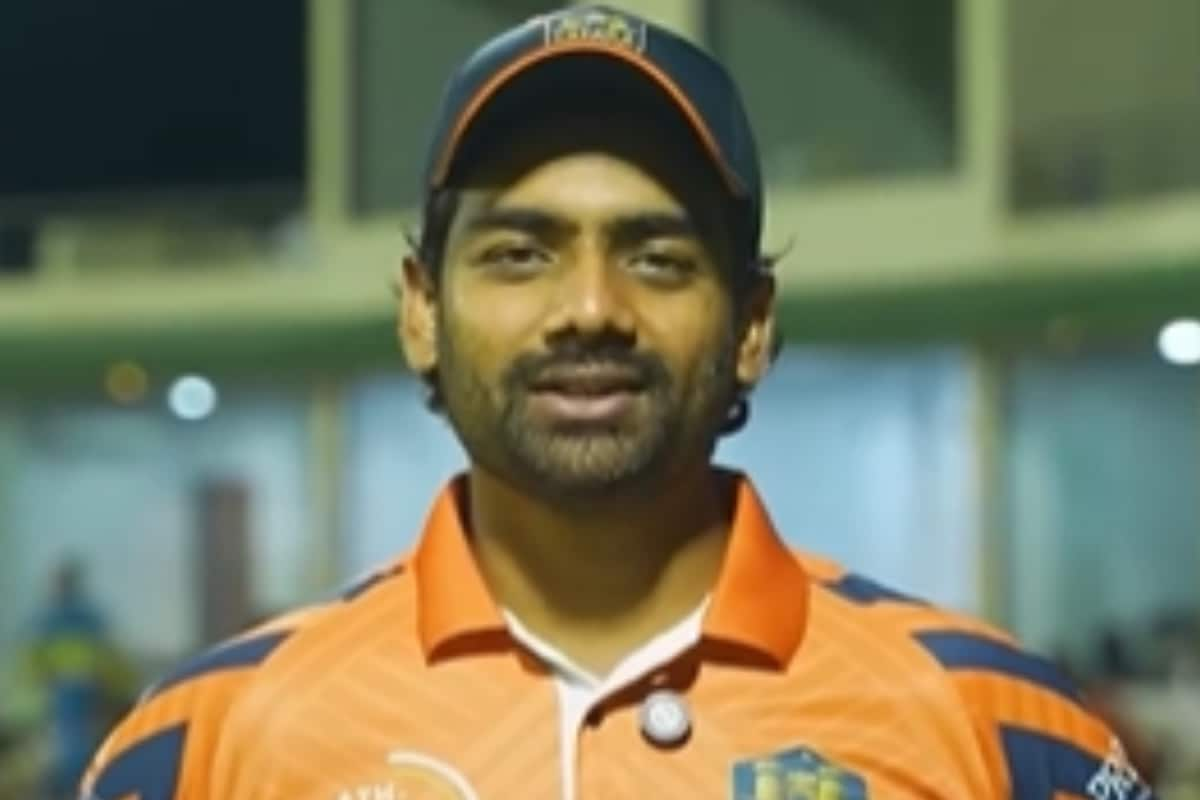
After Harvik Desai's unfortunate injury, Saurabh Nawale became the first cricketer to benefit from a new rule in the 2025 Duleep Trophy semi-final, paving the way for exciting prospects in future cricket selections.
Harvik Desai, a promising cricketer with exquisite batting skills, unfortunately, suffered a quadriceps injury during a crucial 2025 Duleep Trophy semi-final match in Bengaluru. This unfortunate event turned out to be a landmark moment, as it led to the first implementation of a new rule allowing serious injury substitutes. Introducing a precautionary and encouraging measure to protect the safety and well-being of players, the rule enables substitutions in cases of severe injuries.
Amidst the suspense and excitement of the crucial match, Saurabh Nawale, a promising batter from Maharashtra, stepped in as the first serious injury substitute. This historic moment ignited a series of discussions and debates among fans and experts alike, all eager to see how this new rule would impact the sport moving forward.
The introduction of the serious injury substitute rule is more than just a tactical move. It reflects a crucial acknowledgment of the ever-increasing demands and pressures placed on cricketers, both physically and mentally. The rule is designed to provide injured players with the necessary support and recovery time while also offering substitute players an opportunity to showcase their talents.
As the game of cricket continues to evolve, this new rule undoubtedly marks a turning point in how teams, leagues, and countries approach selecting their players. While Harvik Desai's injury was undoubtedly a setback for him, it has opened a new door of opportunities for other aspiring cricketers to showcase their talents on a national platform.
Ultimately, the decision to implement this rule is a display of cricket's ability to adapt and evolve with the changing times, ensuring that the sport is dynamic, compassionate, and exciting for all stakeholders involved.
Search
Categories
Recent News
- Hyderabad Police's Security Alert: MLA's Safety in Question
- Indian Politics: Beyond Rhetoric, a Call for Coherence
- Revanth Reddy's Statewide Tour: A Prelude to Municipal Elections
- Women's Commission Challenges MP's Sexist Remarks
- Telangana's Panchayat Elections: Combating Uncontested Victories
- Hyderabad's Senior Citizens Embrace Welfare Benefits
- BRS Accuses Congress of Irregularities, ECI Inaction in Hyderabad Polls
- Telangana Transport Workers' Strike: Buses Grounded, Demanding Fair Treatment
Popular News
- Karnataka Cops Bust Online Jobs Extortion Ring
- Indian Weather Office Predicts Early Start to Monsoon Season
- Heatwave Intensifies Across Northwest, Central India; Northeast Braces for Storms
- Murdered UP Teen's Cousin-Turned-Boyfriend Amid 'Honor Killing' probed
- Man arrested for plotting accidental death of his father