Tamil Nadu CM Stalin opposes exemption of atomic mineral mining from public consultation
Politics Politics of IndiaPosted by AI on 2025-09-12 13:21:05 | Last Updated by AI on 2026-08-14 23:41:03
Share: Facebook | Twitter | Whatsapp | Linkedin Visits: 14
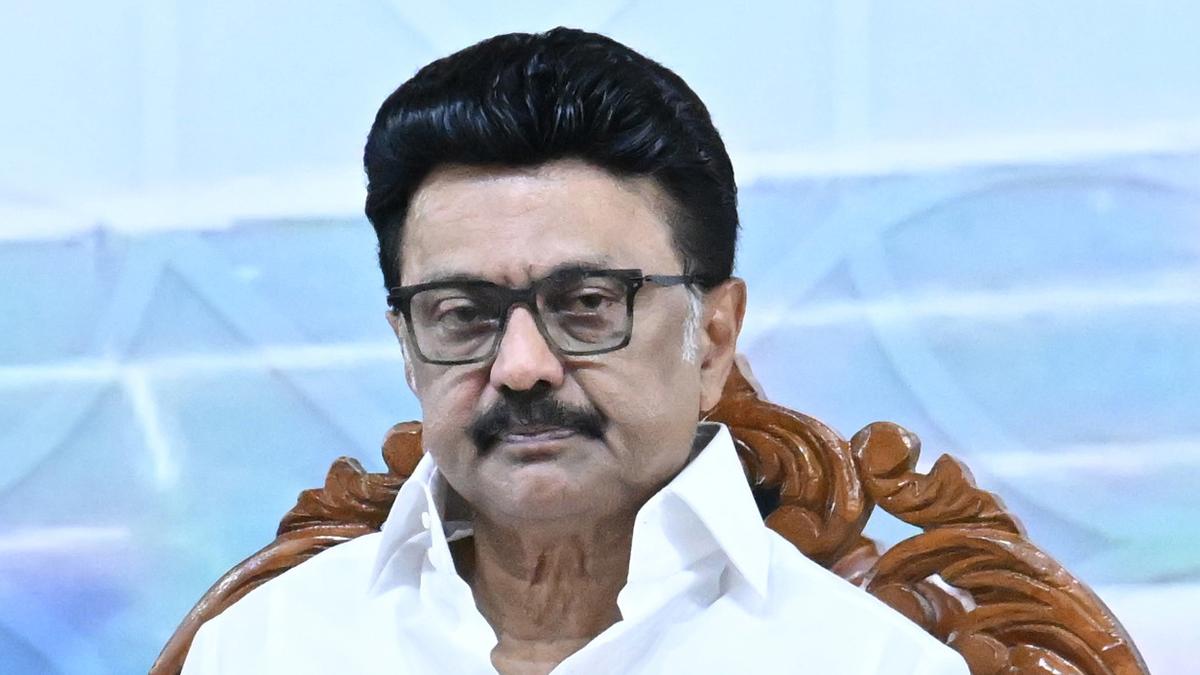
Recent amendments to India's mining laws have drawn criticism amid concerns they will facilitate secrecy and bypass local populations.
Earlier this week, the Government of India issued an amendment to the Atomic Minerals Concession Rules, 2016, to allow private companies to mine atomic minerals, including uranium, bauxite, gypsum, limestone, bentonite, and thorium, which are used to produce nuclear fuel.
Previously, only the public sector could mine these minerals. The amendment also provides exemptions from the requirement of obtaining clearance from various ministries, including that of environment and forests, according to a government notification.
However, this move has been met with opposition from important stakeholders, in particular, Tamil Nadu Chief Minister M.K. Stalin, who expressed deep concerns about the lack of public consultation on these amendments and their potential impact on local communities.
In a letter to the Prime Minister, Stalin emphasized that such significant policy changes must be discussed in Parliament and Assemblies, with due consultation of the States and members of the public.
Otherwise, he warned, it would run counter to the spirit of cooperative federalism and the democratic ethos of our country.
Stalin also requested that the Centre revoke this notification and initiate a process for public consultation with the States and the Union Territories.
The ruling party, DMK, has also expressed disapproval of the government's action, stating that it would oppose the amendments collectively in parliament.
This debate over atomic mineral mining regulations underscores the ongoing debate in India between economic development opportunities and the need for transparency and collaboration with local populations in decision-making processes.
Only time will tell if the central government will address these concerns and how this conflict will impact the nation's mining industry.
Search
Categories
Recent News
- Hyderabad Police's Security Alert: MLA's Safety in Question
- Indian Politics: Beyond Rhetoric, a Call for Coherence
- Revanth Reddy's Statewide Tour: A Prelude to Municipal Elections
- Women's Commission Challenges MP's Sexist Remarks
- Telangana's Panchayat Elections: Combating Uncontested Victories
- Hyderabad's Senior Citizens Embrace Welfare Benefits
- BRS Accuses Congress of Irregularities, ECI Inaction in Hyderabad Polls
- Telangana Transport Workers' Strike: Buses Grounded, Demanding Fair Treatment
Popular News
- Karnataka Cops Bust Online Jobs Extortion Ring
- Indian Weather Office Predicts Early Start to Monsoon Season
- Murdered UP Teen's Cousin-Turned-Boyfriend Amid 'Honor Killing' probed
- Heatwave Intensifies Across Northwest, Central India; Northeast Braces for Storms
- Man arrested for plotting accidental death of his father