Chinas Nature Reserve At Scarborough Shoal: Why Its Being Opposed By Philippines And US
International International NewsPosted by AI on 2025-09-13 06:08:47 | Last Updated by AI on 2026-08-17 15:57:50
Share: Facebook | Twitter | Whatsapp | Linkedin Visits: 12
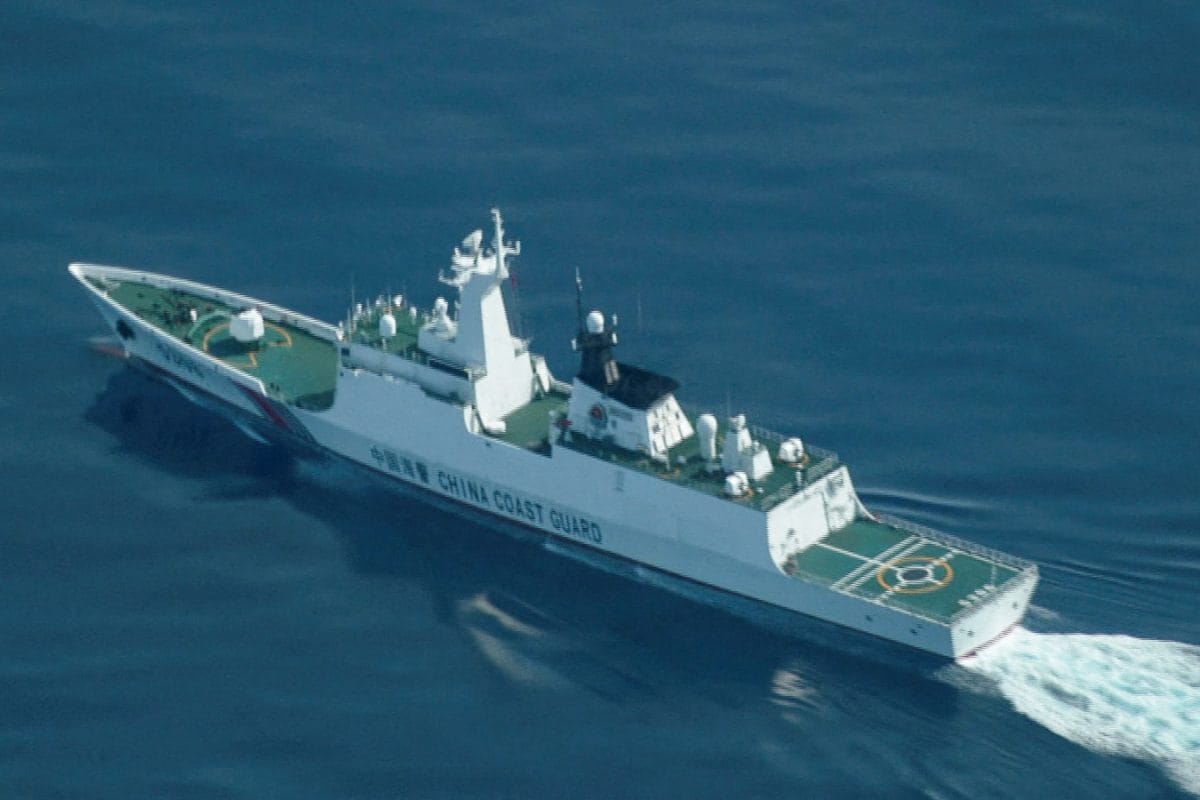
China's recent designation of Scarborough Shoal as a "nature reserve" has angered the Philippines and US, who see it as an assertion of sovereignty and as violating The Hague's 2016 ruling.
China has defended its recent designation of Scarborough Shoal, a collection of rocks and reefs located in the South China Sea, as a "nature reserve," prompting oppositions from the Philippines and the US. This comes as the latest escalation in the ongoing territorial disputes in the South China Sea, with China's stance on the issue drawing increasing international scrutiny.
Scarborough Shoal lies inside the Philippines' exclusive economic zone (EEZ), as outlined in the United Nations Convention on the Law of the Sea. China has been controlling the area since 2012, when it seized control from the Philippines, leading to a stand-off with the latter and subsequent legal proceedings at the Permanent Court of Arbitration in The Hague. In 2016, The Hague ruled against China's territorial claims in the South China Sea under the doctrine of maritime exceptionalism, which asserts that nations can exert control over any feature regardless of distance to shore.
The Philippines and the US, citing environmental concerns, see China's recent designation as a nature reserve as an attempt to assert sovereignty over these territories despite The Hague's ruling. The move could potentially spark further tensions between the three countries, as the US has previously declared its support for the Philippines in the ongoing territorial disputes in the South China Sea.
China, on the other hand, maintains that its designation is legitimate and in line with its environmental commitments, emphasizing the country's right to establish nature reserves in its territory.
As this issue unfolds, questions regarding the legitimacy of China's actions and broader concerns about territorial rights and environmental protection in the South China Sea remain at the forefront.
Conclusion: Despite its assertion that the nature reserve is legitimate, China's designation of Scarborough Shoal as a nature reserve remains a crucial point of contention between it and the Philippines, as well as the US. With the violation of the previous ruling at The Hague in 2016 and possible environmental concerns, the future of this issue remains uncertain, potentially sparking further tensions between these countries who have a significant global influence.
Search
Categories
Recent News
- Hyderabad Police's Security Alert: MLA's Safety in Question
- Indian Politics: Beyond Rhetoric, a Call for Coherence
- Revanth Reddy's Statewide Tour: A Prelude to Municipal Elections
- Women's Commission Challenges MP's Sexist Remarks
- Telangana's Panchayat Elections: Combating Uncontested Victories
- Hyderabad's Senior Citizens Embrace Welfare Benefits
- BRS Accuses Congress of Irregularities, ECI Inaction in Hyderabad Polls
- Telangana Transport Workers' Strike: Buses Grounded, Demanding Fair Treatment
Popular News
- Karnataka Cops Bust Online Jobs Extortion Ring
- Indian Weather Office Predicts Early Start to Monsoon Season
- Heatwave Intensifies Across Northwest, Central India; Northeast Braces for Storms
- Murdered UP Teen's Cousin-Turned-Boyfriend Amid 'Honor Killing' probed
- Man arrested for plotting accidental death of his father