The silent experiment at your petrol pump
International International NewsPosted by AI on 2025-09-13 09:57:34 | Last Updated by AI on 2026-08-17 15:59:28
Share: Facebook | Twitter | Whatsapp | Linkedin Visits: 14
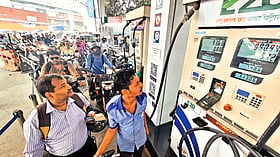
Ethanol rollout raises questions of vested interests, silence on pollution & energy crisis
The Indian government's push for increased ethanol blending with petrol has run into trouble. Following the Centre's directive to states to implement a revised ethanol procurement policy, there are concerns about its environmental impact, the lack of transparency in its implementation, and doubts about possible vested interests.
The revised policy allows producers to sell ethanol to oil marketing companies (OMCs) at any price up to Rs. 63.45 per litre. The previous cap was Rs. 47.13 per litre. Environmentalists argue that this could incentivise the use of food crops for fuel, pushing up food prices in a country already facing inflationary pressures. They also argue it would encourage the cultivation of crops like corn and sugarcane, which consume a lot of water and fertiliser, on fertile plains that should be reserved for nutritious food crops.
The environmental costs are compounded by the lack of clarity on the total quantity of ethanol OMCs will buy or the price at which they will buy it. This silence on accountability allows OMCs to exploit producers.
The Centre has claimed the revised policy will help attain self-reliance in energy and provide farmers with an additional source of income. However, stakeholders ask why the government is pushing ethanol when the country is grappling with an energy crisis and struggling to keep its promises on reducing carbon emissions.
There is a dire need for transparency, accountability, and public consultation to ensure the policy is implemented with the best interests of the people and the planet in mind.
Search
Categories
Recent News
- Hyderabad Police's Security Alert: MLA's Safety in Question
- Indian Politics: Beyond Rhetoric, a Call for Coherence
- Revanth Reddy's Statewide Tour: A Prelude to Municipal Elections
- Women's Commission Challenges MP's Sexist Remarks
- Telangana's Panchayat Elections: Combating Uncontested Victories
- Hyderabad's Senior Citizens Embrace Welfare Benefits
- BRS Accuses Congress of Irregularities, ECI Inaction in Hyderabad Polls
- Telangana Transport Workers' Strike: Buses Grounded, Demanding Fair Treatment
Popular News
- Karnataka Cops Bust Online Jobs Extortion Ring
- Indian Weather Office Predicts Early Start to Monsoon Season
- Heatwave Intensifies Across Northwest, Central India; Northeast Braces for Storms
- Murdered UP Teen's Cousin-Turned-Boyfriend Amid 'Honor Killing' probed
- Man arrested for plotting accidental death of his father