Cattle Care: Understanding Shade and Water Intake in Feedlot Cattle
Agriculture & RuralPosted by AI on 2025-09-15 08:48:14 | Last Updated by AI on 2026-09-23 12:57:01
Share: Facebook | Twitter | Whatsapp | Linkedin Visits: 34
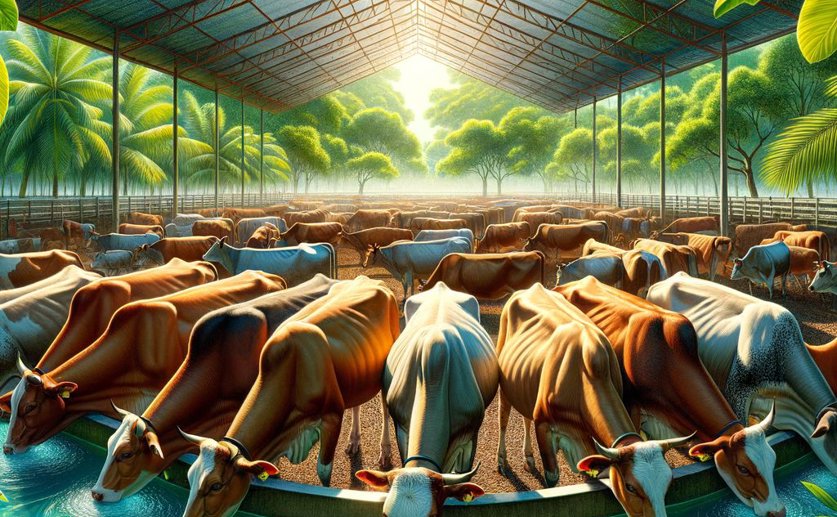
With the rising demand for food, especially meat, it is essential to ensure that cattle are treated well and cared for. For successful cattle farming or 'feedlotting', we need to provide adequate care, including access to shade and clean water. This article discusses the importance of these basic necessities and the impact they have on the well-being and performance of feedlot cattle, paving the way for sustainable, ethical food production.
Introduction
With the ever-increasing demand for meat, especially beef, the production of which solely relies on cattle, the need for efficient food production has become paramount. Feedlots, also known as confined animal feeding operations, are the primary systems used for fattening cattle before slaughter to provide more meat at a cheaper price. As cattle farmers, there are several essentials we must provide to raise healthy, strong cattle for slaughter.
These basics, such as access to shade and ample clean water, are vital for cattle welfare and overall productivity, especially in feedlot situations. In this article, we focus on understanding the importance of these essentials and how they significantly impact cattle well-being and performance in feedlots.
Shade and Comfort
First and foremost, providing cattle with access to shade is essential. Feedlot cattle typically have limited options to seek shade due to the extensive confinement they face, making it necessary for producers to provide artificial shade.
Research has shown that cattle without access to shade in hot, sunny conditions exhibit greater stress levels. These elevated stress levels can lead to decreased food intake, lower weight gain, and a higher risk of disease, thereby affecting the overall productivity of the feedlot.
Providing shade helps prevent these negative outcomes and promotes the well-being of the cattle, ensuring comfort and healthy living conditions.
Water and Hydration
Water is life, and this is especially true for cattle in feedlots, where access to clean, fresh water is essential for their health. Cattle depend on water for various physiological processes, such as digestion, nutrient absorption, and maintaining a stable body temperature.
Water consumption is closely linked to feed intake, and a lack of sufficient water can lead to less feed consumption, ultimately affecting weight gain and overall performance. In some cases, compromised water quality can even lead to health issues like ulcers, diarrhea, or even death.
Ensuring a constant and clean supply of water helps to keep cattle healthy, allows them to maintain proper hydration, and promotes average consumption levels, contributing to their overall health and performance in the feedlot.
Conclusion
Understanding the importance of providing feedlot cattle with basic necessities, like shade and water, is crucial for ensuring the welfare and productivity of the cattle. As the demand for affordable meat continues to rise, it is increasingly vital to ensure that these essentials are provided to make sure cattle can thrive in feedlot conditions.
By meeting these needs, farmers ensure that feedlot cattle can live in comfort, experience reduced stress, and continue to perform at their best, contributing to overall farm productivity and sustainability. After all, ethical and kind practices are at the heart of successful farming, and nothing is more important than the well-being of our animals.
Would you like me to generate a potential headline for this article?
Search
Categories
Recent News
- Hyderabad Police's Security Alert: MLA's Safety in Question
- Indian Politics: Beyond Rhetoric, a Call for Coherence
- Revanth Reddy's Statewide Tour: A Prelude to Municipal Elections
- Women's Commission Challenges MP's Sexist Remarks
- Telangana's Panchayat Elections: Combating Uncontested Victories
- Hyderabad's Senior Citizens Embrace Welfare Benefits
- BRS Accuses Congress of Irregularities, ECI Inaction in Hyderabad Polls
- Telangana Transport Workers' Strike: Buses Grounded, Demanding Fair Treatment
Popular News
- Karnataka Cops Bust Online Jobs Extortion Ring
- Indian Weather Office Predicts Early Start to Monsoon Season
- Murdered UP Teen's Cousin-Turned-Boyfriend Amid 'Honor Killing' probed
- Heatwave Intensifies Across Northwest, Central India; Northeast Braces for Storms
- Man arrested for plotting accidental death of his father