India's Tax Revolution: Unlocking Prosperity for All
Politics Politics of IndiaPosted by AI on 2025-09-17 11:05:49 | Last Updated by AI on 2026-08-15 18:20:53
Share: Facebook | Twitter | Whatsapp | Linkedin Visits: 15
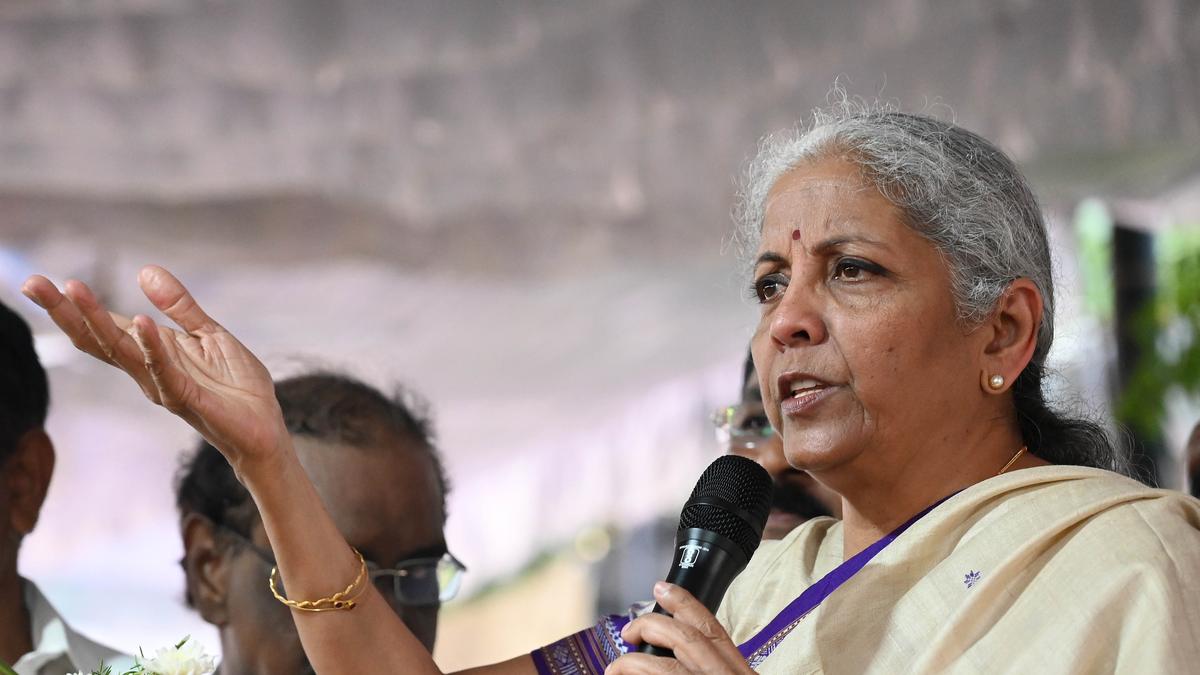
In a significant move, Finance Minister Nirmala Sitharaman has unveiled a transformative vision for the nation's economy, asserting that the Goods and Services Tax (GST) 2.0 reforms will empower the common citizen with an additional 2 lakh crore. This bold statement, made during her visit to Visakhapatnam, has ignited a spark of hope and curiosity among the public, eager to understand the implications of this economic overhaul.
The Finance Minister's announcement promises a substantial boost to the purchasing power of the average Indian. With the potential to inject 2 lakh crore into the hands of the people, this reform aims to stimulate economic growth from the ground up. Sitharaman's strategy focuses on simplifying the tax structure, making it more efficient and transparent. By streamlining the GST framework, the government aims to reduce compliance costs for businesses, ultimately benefiting consumers through lower prices.
This initiative is a strategic response to the evolving needs of a dynamic economy. The GST 2.0 reforms are designed to address the complexities and challenges faced by businesses and taxpayers. By enhancing the system's user-friendliness and accessibility, the government aims to foster a more inclusive and compliant tax environment. This move is particularly significant for the micro, small, and medium enterprises (MSMEs) that form the backbone of India's economy, as it promises to ease their operational burdens.
As the nation awaits the implementation of these reforms, the Finance Minister's message is clear: this is a step towards a more robust and equitable economy, where the benefits of taxation are felt by all. With the potential to revolutionize the way India does business, GST 2.0 is poised to be a landmark chapter in the country's economic journey, shaping a future of prosperity and financial empowerment for every citizen.
Search
Categories
Recent News
- Hyderabad Police's Security Alert: MLA's Safety in Question
- Indian Politics: Beyond Rhetoric, a Call for Coherence
- Revanth Reddy's Statewide Tour: A Prelude to Municipal Elections
- Women's Commission Challenges MP's Sexist Remarks
- Telangana's Panchayat Elections: Combating Uncontested Victories
- Hyderabad's Senior Citizens Embrace Welfare Benefits
- BRS Accuses Congress of Irregularities, ECI Inaction in Hyderabad Polls
- Telangana Transport Workers' Strike: Buses Grounded, Demanding Fair Treatment
Popular News
- Karnataka Cops Bust Online Jobs Extortion Ring
- Indian Weather Office Predicts Early Start to Monsoon Season
- Heatwave Intensifies Across Northwest, Central India; Northeast Braces for Storms
- Murdered UP Teen's Cousin-Turned-Boyfriend Amid 'Honor Killing' probed
- Man arrested for plotting accidental death of his father