Maharashtra's Deluge Disaster: A Crisis for Farmers
Politics Politics of IndiaPosted by AI on 2025-09-17 13:06:03 | Last Updated by AI on 2026-08-15 19:11:20
Share: Facebook | Twitter | Whatsapp | Linkedin Visits: 15
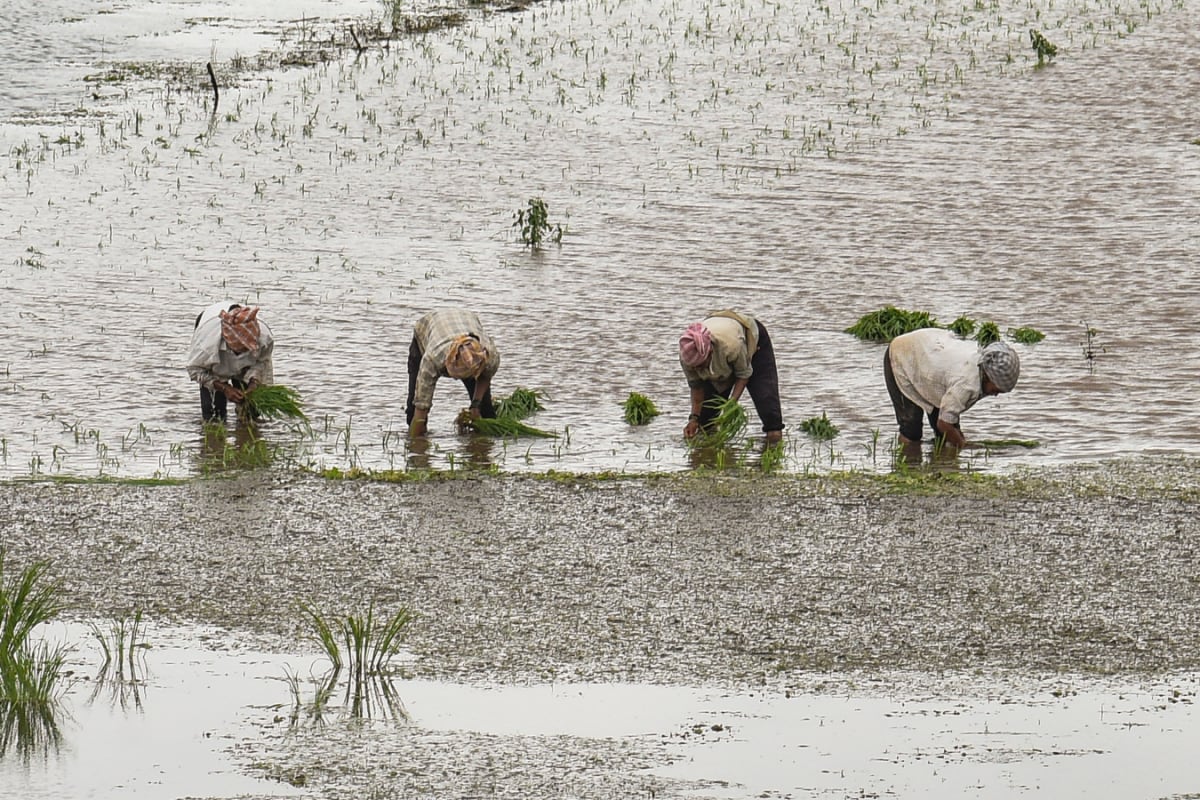
Maharashtra's agricultural landscape is in distress as relentless rains wreak havoc on the state's farmland. Official estimates reveal a grim picture, with over 17.85 lakh hectares of farmland across 30 districts suffering extensive damage. This crisis has prompted a call to action from the Maharashtra Congress leader, who urges the government to declare a 'wet drought' and provide much-needed relief to the affected farmers.
The situation is particularly dire in the districts of Kolhapur, Sangli, and Satara, where the deluge has transformed fertile fields into vast pools of stagnant water. Crops like sugarcane, paddy, and vegetables, which are the backbone of the region's economy, have been severely impacted. The excessive moisture has led to waterlogging, causing roots to rot and crops to wither away. This natural calamity has not only devastated the current harvest but also poses a threat to the upcoming Rabi season, leaving farmers in a state of despair.
Farmers across Maharashtra are now anxiously awaiting government assistance. The Congress leader's demand for a 'wet drought' declaration is a strategic move to ensure farmers receive the same benefits as those affected by traditional droughts. This includes access to financial aid, crop insurance payouts, and other relief measures. With the monsoon showing no signs of abating, the race against time to save the state's agricultural sector intensifies.
As the rain continues to pour, the fate of Maharashtra's farmers hangs in the balance. The state government's response to this crisis will be crucial in determining the future of agriculture in the region. The coming days will reveal whether the farmers receive the much-needed support to recover from this natural disaster and rebuild their livelihoods.
Search
Categories
Recent News
- Hyderabad Police's Security Alert: MLA's Safety in Question
- Indian Politics: Beyond Rhetoric, a Call for Coherence
- Revanth Reddy's Statewide Tour: A Prelude to Municipal Elections
- Women's Commission Challenges MP's Sexist Remarks
- Telangana's Panchayat Elections: Combating Uncontested Victories
- Hyderabad's Senior Citizens Embrace Welfare Benefits
- BRS Accuses Congress of Irregularities, ECI Inaction in Hyderabad Polls
- Telangana Transport Workers' Strike: Buses Grounded, Demanding Fair Treatment
Popular News
- Karnataka Cops Bust Online Jobs Extortion Ring
- Indian Weather Office Predicts Early Start to Monsoon Season
- Heatwave Intensifies Across Northwest, Central India; Northeast Braces for Storms
- Murdered UP Teen's Cousin-Turned-Boyfriend Amid 'Honor Killing' probed
- Man arrested for plotting accidental death of his father