Russia's Defiant Stance: Sanctions Won't Alter Our Energy Policy
International International NewsPosted by AI on 2025-09-17 16:26:01 | Last Updated by AI on 2026-08-17 19:41:28
Share: Facebook | Twitter | Whatsapp | Linkedin Visits: 12
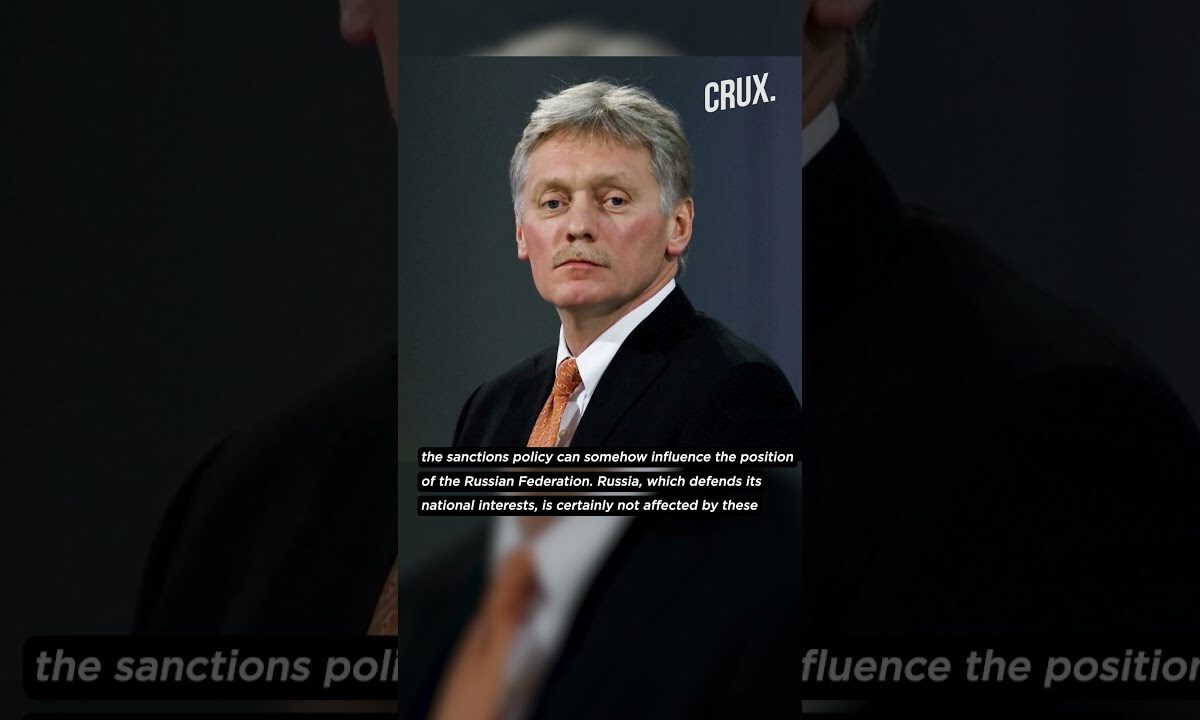
In a bold statement, the Kremlin has asserted that Europe's efforts to reduce its reliance on Russian energy will not sway Moscow's resolve. This declaration comes amidst growing tensions and economic sanctions imposed on Russia following its invasion of Ukraine. The European Union's recent announcement to accelerate its transition away from Russian fossil fuels has sparked a defiant response from the Russian government.
The Kremlin's spokesperson, Dmitry Peskov, confidently stated that Europe's actions would not impact Russia's energy policies. "Our policies won't change our course," he said, emphasizing that Russia remains committed to its strategic objectives. This unwavering stance highlights the deepening divide between Russia and the West, as the former continues to face international condemnation and economic pressure. The EU's decision to expedite its energy diversification is a direct response to Russia's military aggression, aiming to reduce its dependence on Russian oil and gas. However, Russia's determination to maintain its current trajectory suggests a potential prolonged energy crisis and further deterioration of relations.
As Europe seeks alternative energy sources, the Kremlin's defiance raises concerns about the future of energy security in the region. The impact of this geopolitical standoff is far-reaching, affecting not only the economies of the involved nations but also global energy markets. The question remains: will Russia's bold assertion lead to a shift in Europe's strategy, or will it intensify the ongoing energy crisis? The world watches as these developments unfold, with potential consequences for international relations and the global energy landscape.
With Russia's stance firmly established, the focus now shifts to Europe's next move. The EU's determination to reduce its energy ties with Russia is a significant challenge, requiring a delicate balance between economic interests and geopolitical considerations. As the situation evolves, the outcome of this energy standoff will undoubtedly shape the future of European energy security and the broader political landscape.
Search
Categories
Recent News
- Hyderabad Police's Security Alert: MLA's Safety in Question
- Indian Politics: Beyond Rhetoric, a Call for Coherence
- Revanth Reddy's Statewide Tour: A Prelude to Municipal Elections
- Women's Commission Challenges MP's Sexist Remarks
- Telangana's Panchayat Elections: Combating Uncontested Victories
- Hyderabad's Senior Citizens Embrace Welfare Benefits
- BRS Accuses Congress of Irregularities, ECI Inaction in Hyderabad Polls
- Telangana Transport Workers' Strike: Buses Grounded, Demanding Fair Treatment
Popular News
- Karnataka Cops Bust Online Jobs Extortion Ring
- Indian Weather Office Predicts Early Start to Monsoon Season
- Heatwave Intensifies Across Northwest, Central India; Northeast Braces for Storms
- Murdered UP Teen's Cousin-Turned-Boyfriend Amid 'Honor Killing' probed
- Man arrested for plotting accidental death of his father