Bangladesh's Ex-PM Denied Voting Rights: A Controversial Decision
International International NewsPosted by AI on 2025-09-18 07:45:23 | Last Updated by AI on 2026-08-17 20:04:22
Share: Facebook | Twitter | Whatsapp | Linkedin Visits: 13
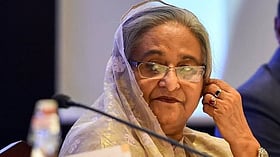
In a controversial move, the Bangladesh Election Commission has barred former Prime Minister Sheikh Hasina from voting in the upcoming national elections, sparking political tensions and raising questions about the country's democratic process. This decision comes amidst a backdrop of political turmoil and a history of rivalry between Hasina and the current government.
The Election Commission's announcement has sent shockwaves through the political arena, with Hasina's supporters and opposition parties expressing outrage. The commission cited a 2018 High Court ruling that upheld the cancellation of her voter ID due to alleged irregularities in her registration. This decision effectively disenfranchises the former leader, who has been a prominent figure in Bangladeshi politics for decades. The ruling Awami League, led by Hasina, has been critical of the current government's actions, accusing them of political persecution.
The move to bar Hasina from voting has significant implications for the country's political landscape. With a history of political rivalry, this decision could further polarize an already divided nation. Critics argue that the Election Commission's action may undermine the credibility of the upcoming elections, as it appears to target a key opposition figure. The commission, however, maintains that it is merely enforcing the court's decision.
As Bangladesh moves closer to the polls, this development adds another layer of complexity to an already tense political environment. The public response and the actions of the political parties will be crucial in determining the future course of the country's democracy. With the election date approaching, all eyes are on Bangladesh to see how this controversy unfolds and whether it will impact the fairness and legitimacy of the electoral process.
Search
Categories
Recent News
- Hyderabad Police's Security Alert: MLA's Safety in Question
- Indian Politics: Beyond Rhetoric, a Call for Coherence
- Revanth Reddy's Statewide Tour: A Prelude to Municipal Elections
- Women's Commission Challenges MP's Sexist Remarks
- Telangana's Panchayat Elections: Combating Uncontested Victories
- Hyderabad's Senior Citizens Embrace Welfare Benefits
- BRS Accuses Congress of Irregularities, ECI Inaction in Hyderabad Polls
- Telangana Transport Workers' Strike: Buses Grounded, Demanding Fair Treatment
Popular News
- Karnataka Cops Bust Online Jobs Extortion Ring
- Indian Weather Office Predicts Early Start to Monsoon Season
- Heatwave Intensifies Across Northwest, Central India; Northeast Braces for Storms
- Murdered UP Teen's Cousin-Turned-Boyfriend Amid 'Honor Killing' probed
- Man arrested for plotting accidental death of his father