Afghanistan's Stolen Education: A Dark Milestone for Girls
Politics Politics of IndiaPosted by AI on 2025-09-18 11:44:00 | Last Updated by AI on 2026-08-15 22:22:26
Share: Facebook | Twitter | Whatsapp | Linkedin Visits: 16
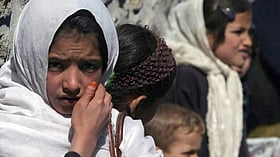
As the sun rises over Kabul, a city once bustling with the promise of progress, a somber anniversary casts a shadow on the lives of countless Afghan girls. It has been four long years since the Taliban's decree barred girls from pursuing secondary education, a decision that has stolen their right to learn and left an indelible mark on a generation. This harsh reality, marked by empty classrooms and shattered dreams, is a stark reminder of the ongoing struggle for gender equality in Afghanistan.
The United Nations Children's Fund (UNICEF) has been a vocal advocate for these silenced students, raising an urgent alarm over this prolonged injustice. Henrietta Fore, UNICEF's Executive Director, emphasizes the devastating impact, stating, "The ongoing ban on secondary education for girls is a defining injustice that not only violates their rights but also robs Afghanistan of its future potential." This statement echoes through the halls of empty schools, where desks gather dust and textbooks remain unopened.
The consequences of this ban reach far beyond the confines of the classroom. Adolescent girls, once eager learners, now face a future marred by limited opportunities and a widening gender gap. The denial of education perpetuates a cycle of poverty and disempowerment, hindering Afghanistan's progress towards gender equality and sustainable development. UNICEF's efforts to shed light on this crisis are crucial in rallying global support and advocating for change.
As the world reflects on this dark milestone, the international community must not turn a blind eye. The plight of Afghan girls demands attention, action, and a collective commitment to ensuring that education, a fundamental human right, is accessible to all. Only then can Afghanistan truly heal and rebuild, empowering its youth to shape a brighter future.
Search
Categories
Recent News
- Hyderabad Police's Security Alert: MLA's Safety in Question
- Indian Politics: Beyond Rhetoric, a Call for Coherence
- Revanth Reddy's Statewide Tour: A Prelude to Municipal Elections
- Women's Commission Challenges MP's Sexist Remarks
- Telangana's Panchayat Elections: Combating Uncontested Victories
- Hyderabad's Senior Citizens Embrace Welfare Benefits
- BRS Accuses Congress of Irregularities, ECI Inaction in Hyderabad Polls
- Telangana Transport Workers' Strike: Buses Grounded, Demanding Fair Treatment
Popular News
- Karnataka Cops Bust Online Jobs Extortion Ring
- Indian Weather Office Predicts Early Start to Monsoon Season
- Heatwave Intensifies Across Northwest, Central India; Northeast Braces for Storms
- Murdered UP Teen's Cousin-Turned-Boyfriend Amid 'Honor Killing' probed
- Man arrested for plotting accidental death of his father