UN Standoff: Pakistan-China's Terror Listing Bid Halted
International International NewsPosted by AI on 2025-09-19 08:47:49 | Last Updated by AI on 2026-08-17 20:40:24
Share: Facebook | Twitter | Whatsapp | Linkedin Visits: 9
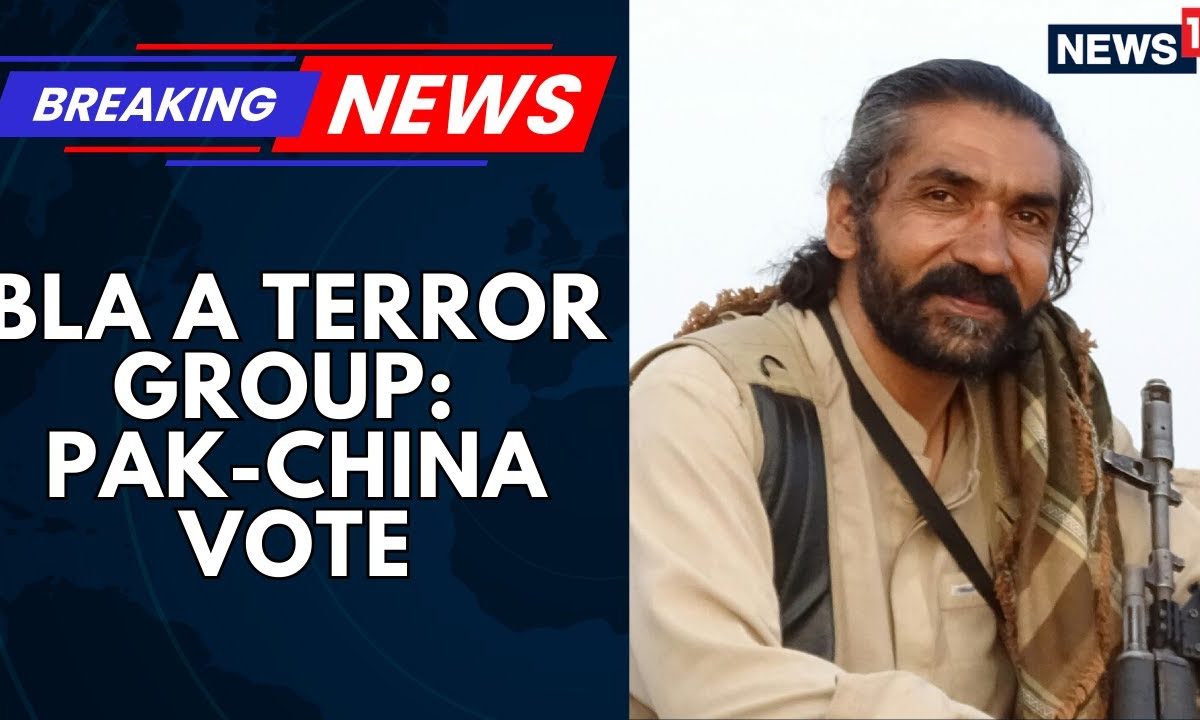
In a recent development at the United Nations, a joint effort by Pakistan and China to designate the Balochistan Liberation Army (BLA) and the Majeed Brigade as terrorist organizations has been halted by the United States, the United Kingdom, and France. This move has sparked diplomatic discussions and raised questions about the criteria for labeling groups as terrorists.
The proposal, aimed at addressing concerns regarding these organizations' alleged involvement in violent activities, faced opposition due to a critical requirement: evidence linking the groups to established terrorist entities like Al Qaeda or ISIL. This condition, mandated by the UN's counter-terrorism framework, has proven to be a significant hurdle, as the provided evidence was deemed insufficient by the blocking nations.
The decision to put the proposal on hold has stirred debate within diplomatic circles. Pakistan and China, advocating for the listing, argue that these groups pose a threat to regional stability and have been implicated in various attacks. However, the blocking countries maintain that the evidence presented does not meet the stringent standards necessary for such a designation. This disagreement underscores the delicate balance between addressing security concerns and adhering to international legal procedures.
As the debate continues, the outcome of this UN standoff remains uncertain. The blocking nations' decision to halt the listing may prompt further investigations and evidence gathering. It also highlights the complex nature of international diplomacy, where the fight against terrorism is a shared goal, but the path to achieving it is often fraught with differing perspectives and interpretations. The world awaits the next move in this diplomatic chess match, with potential implications for global counter-terrorism efforts and regional security.
Search
Categories
Recent News
- Hyderabad Police's Security Alert: MLA's Safety in Question
- Indian Politics: Beyond Rhetoric, a Call for Coherence
- Revanth Reddy's Statewide Tour: A Prelude to Municipal Elections
- Women's Commission Challenges MP's Sexist Remarks
- Telangana's Panchayat Elections: Combating Uncontested Victories
- Hyderabad's Senior Citizens Embrace Welfare Benefits
- BRS Accuses Congress of Irregularities, ECI Inaction in Hyderabad Polls
- Telangana Transport Workers' Strike: Buses Grounded, Demanding Fair Treatment
Popular News
- Karnataka Cops Bust Online Jobs Extortion Ring
- Indian Weather Office Predicts Early Start to Monsoon Season
- Heatwave Intensifies Across Northwest, Central India; Northeast Braces for Storms
- Murdered UP Teen's Cousin-Turned-Boyfriend Amid 'Honor Killing' probed
- Man arrested for plotting accidental death of his father