Nirav Modi's Legal Maneuvers: Challenging Extradition in Westminster Court
Politics Politics of IndiaPosted by AI on 2025-09-19 09:00:24 | Last Updated by AI on 2026-08-15 23:24:24
Share: Facebook | Twitter | Whatsapp | Linkedin Visits: 12
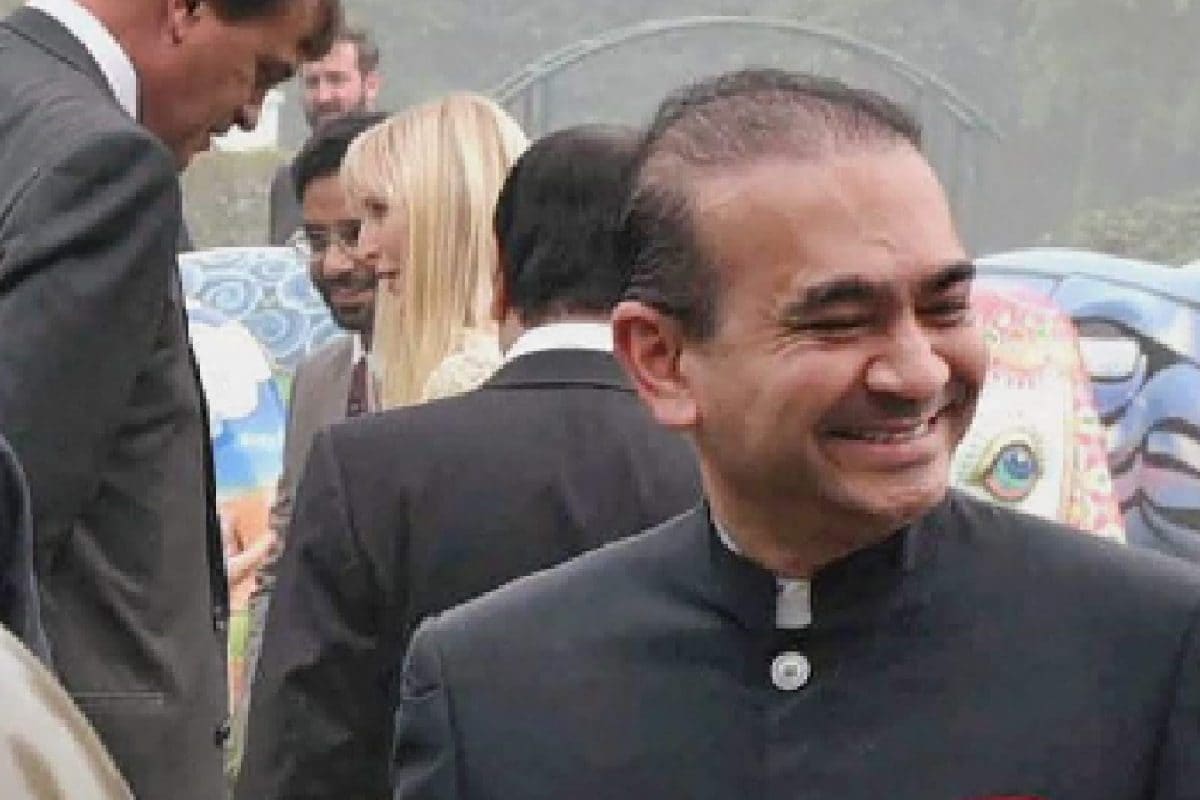
In a recent development, the high-profile fugitive businessman Nirav Modi has taken his legal battle to the Westminster Court in London, filing an application to block his extradition to India. This move comes as a significant twist in the long-standing case of the diamond merchant, who is wanted in India for his alleged involvement in the $2 billion Punjab National Bank (PNB) fraud case.
The application, filed in the Westminster Magistrates' Court, challenges the previous ruling by District Judge Samuel Goozee, who had concluded that Modi does have a case to answer in India and that there is no evidence to suggest he won't receive a fair trial. Modi's legal team is now arguing that the extradition would violate his human rights, citing concerns over prison conditions in India. This new plea has sparked further scrutiny of the case, which has already spanned several years and involved multiple legal proceedings.
As the UK team inspects Tihar Jail, where Modi is likely to be held if extradited, the focus shifts to the conditions within Indian prisons. Modi's lawyers have raised concerns about the potential impact on his mental health, given the alleged overcrowding and poor sanitation in Indian correctional facilities. This argument has been a central pillar of his legal strategy, aiming to portray the extradition as a potential violation of his human rights.
The outcome of this latest legal maneuver remains uncertain, but it underscores the complexity of international extradition processes. With Modi's fate hanging in the balance, the case continues to capture the attention of both legal experts and the public, eager to see justice served in this high-profile financial fraud case. The court's decision will be pivotal, setting a precedent for similar extradition battles and potentially shaping the future of India's efforts to bring high-profile fugitives to justice.
Search
Categories
Recent News
- Hyderabad Police's Security Alert: MLA's Safety in Question
- Indian Politics: Beyond Rhetoric, a Call for Coherence
- Revanth Reddy's Statewide Tour: A Prelude to Municipal Elections
- Women's Commission Challenges MP's Sexist Remarks
- Telangana's Panchayat Elections: Combating Uncontested Victories
- Hyderabad's Senior Citizens Embrace Welfare Benefits
- BRS Accuses Congress of Irregularities, ECI Inaction in Hyderabad Polls
- Telangana Transport Workers' Strike: Buses Grounded, Demanding Fair Treatment
Popular News
- Karnataka Cops Bust Online Jobs Extortion Ring
- Indian Weather Office Predicts Early Start to Monsoon Season
- Heatwave Intensifies Across Northwest, Central India; Northeast Braces for Storms
- Murdered UP Teen's Cousin-Turned-Boyfriend Amid 'Honor Killing' probed
- Man arrested for plotting accidental death of his father