Afghanistan's Literary Purge: Taliban Bans Women's Voices
International International NewsPosted by AI on 2025-09-19 11:58:27 | Last Updated by AI on 2026-08-17 20:50:18
Share: Facebook | Twitter | Whatsapp | Linkedin Visits: 10
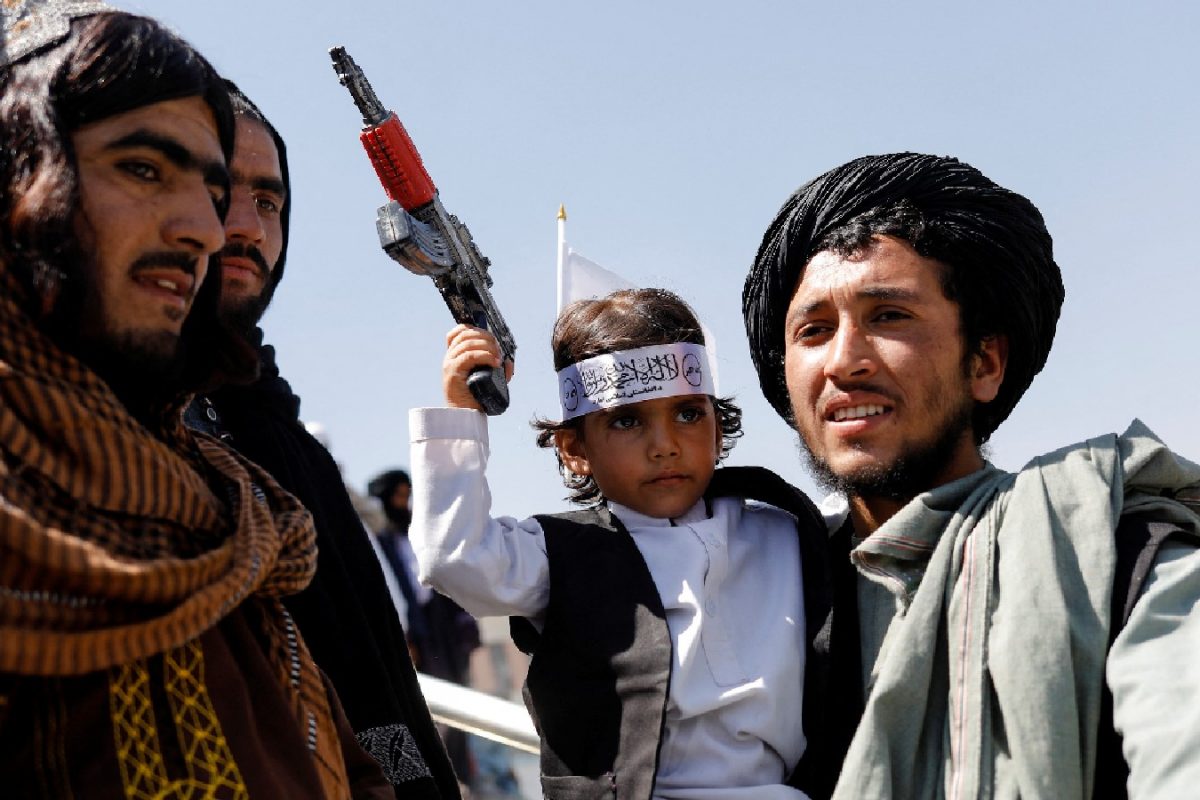
In a recent decree, the Taliban government has ordered the removal of over 140 books authored by women from university curricula, sparking outrage and concern among scholars and human rights advocates. This move is the latest in a series of restrictions imposed by the Taliban since their takeover of Afghanistan in 2021, raising questions about the future of education and women's rights in the country.
The banned books include works by renowned Afghan writers such as Gul-e-Khanda, known for her powerful poetry and prose, and Dr. Sahar Saba, a historian whose research has shed light on the often-overlooked contributions of women in Afghan history. The Taliban's Ministry of Higher Education cited the content of these books as being "in conflict with Sharia law and Afghan values." This decision has sent shockwaves through the academic community, with many professors and students expressing dismay and fear for the future of intellectual freedom in the country.
The Taliban's crackdown on women's education is not a new phenomenon. Since their rise to power, girls' access to education has been severely restricted, with many schools for girls remaining closed. This latest ban on books authored by women is seen as another step towards erasing female voices and perspectives from Afghan society. Critics argue that the Taliban's interpretation of Sharia law is being used as a tool to justify the suppression of women's rights and intellectual freedom.
This decision has broader implications for Afghanistan's cultural and intellectual landscape. By removing these books, the Taliban is not only silencing women's voices but also depriving students of diverse perspectives and valuable knowledge. The international community is closely watching these developments, with many calling for the protection of academic freedom and women's rights in Afghanistan. As the Taliban continues to enforce their strict interpretation of Islamic law, the future of education and gender equality in the country remains uncertain, leaving many to wonder what further restrictions may be imposed.
Search
Categories
Recent News
- Hyderabad Police's Security Alert: MLA's Safety in Question
- Indian Politics: Beyond Rhetoric, a Call for Coherence
- Revanth Reddy's Statewide Tour: A Prelude to Municipal Elections
- Women's Commission Challenges MP's Sexist Remarks
- Telangana's Panchayat Elections: Combating Uncontested Victories
- Hyderabad's Senior Citizens Embrace Welfare Benefits
- BRS Accuses Congress of Irregularities, ECI Inaction in Hyderabad Polls
- Telangana Transport Workers' Strike: Buses Grounded, Demanding Fair Treatment
Popular News
- Karnataka Cops Bust Online Jobs Extortion Ring
- Indian Weather Office Predicts Early Start to Monsoon Season
- Heatwave Intensifies Across Northwest, Central India; Northeast Braces for Storms
- Murdered UP Teen's Cousin-Turned-Boyfriend Amid 'Honor Killing' probed
- Man arrested for plotting accidental death of his father