France's Winter of Discontent: Unrest Grips the Nation
International International NewsPosted by AI on 2025-09-19 11:59:44 | Last Updated by AI on 2026-08-17 20:51:03
Share: Facebook | Twitter | Whatsapp | Linkedin Visits: 11
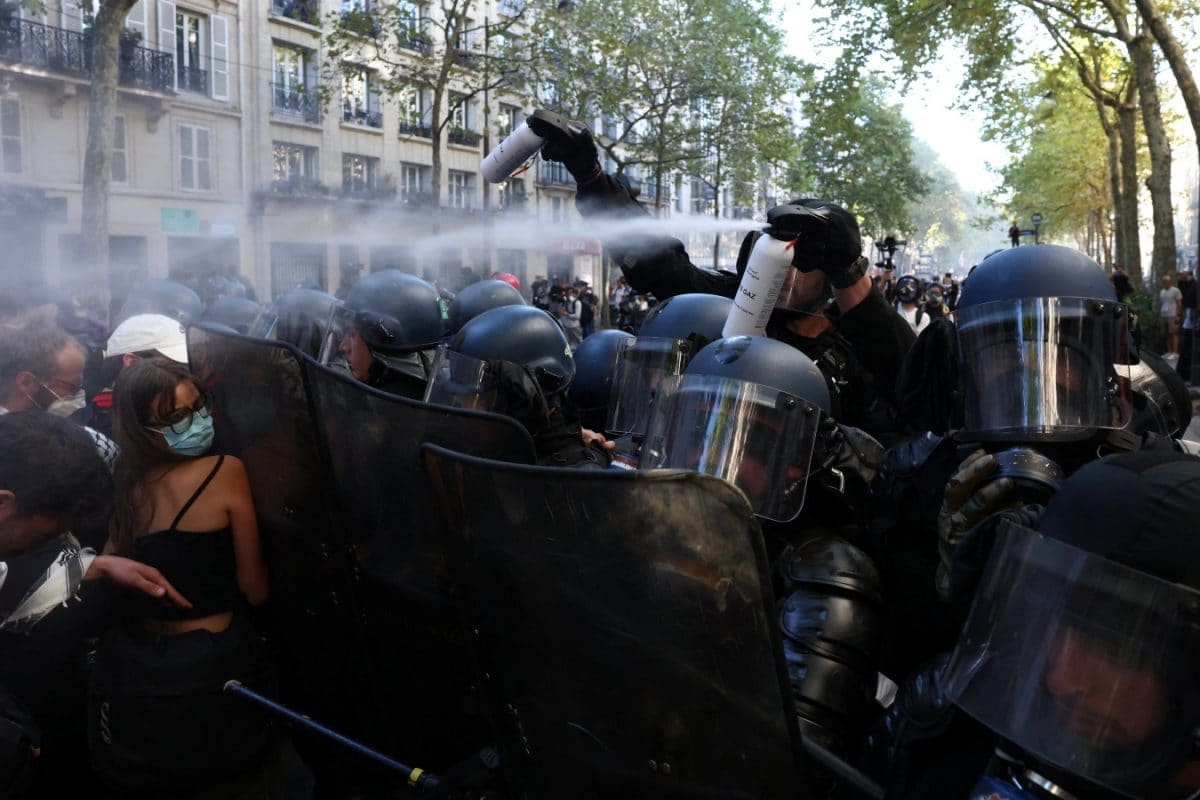
As the year draws to a close, France is witnessing a wave of protests and strikes that have brought thousands to the streets, leaving the government grappling with a deepening crisis. This surge in civil unrest marks the first significant challenge for Prime Minister Sebastien Lecornu and further weakens President Emmanuel Macron's administration.
The protests, primarily led by trade unions, have been fueled by a range of grievances, including rising living costs, pension reforms, and the government's handling of the economic fallout from the COVID-19 pandemic. The demonstrations have been particularly intense in Paris, where protesters have clashed with police, resulting in dozens of arrests and injuries. The iconic Champs-Elysees, usually bustling with tourists and shoppers, has become a battleground, with tear gas and water cannons deployed to disperse the crowds.
The unions are demanding immediate action to address the cost-of-living crisis, including a freeze on energy prices and an increase in wages and pensions. They argue that the government's current policies favor the wealthy and fail to support those struggling to make ends meet. This discontent has been building for months, with previous protests in June and October setting the stage for the current wave of strikes.
With the government showing no signs of backing down, the future remains uncertain. Prime Minister Lecornu has called for calm and dialogue, but the unions are determined to maintain pressure until their demands are met. As the protests continue, France's winter of discontent shows no sign of abating, leaving Macron's administration with the daunting task of finding a resolution that satisfies the public's demands while maintaining economic stability.
Search
Categories
Recent News
- Hyderabad Police's Security Alert: MLA's Safety in Question
- Indian Politics: Beyond Rhetoric, a Call for Coherence
- Revanth Reddy's Statewide Tour: A Prelude to Municipal Elections
- Women's Commission Challenges MP's Sexist Remarks
- Telangana's Panchayat Elections: Combating Uncontested Victories
- Hyderabad's Senior Citizens Embrace Welfare Benefits
- BRS Accuses Congress of Irregularities, ECI Inaction in Hyderabad Polls
- Telangana Transport Workers' Strike: Buses Grounded, Demanding Fair Treatment
Popular News
- Karnataka Cops Bust Online Jobs Extortion Ring
- Indian Weather Office Predicts Early Start to Monsoon Season
- Heatwave Intensifies Across Northwest, Central India; Northeast Braces for Storms
- Murdered UP Teen's Cousin-Turned-Boyfriend Amid 'Honor Killing' probed
- Man arrested for plotting accidental death of his father