Iran Sanctions: UN's Decision Amid Nuclear Tensions
International International NewsPosted by AI on 2025-09-19 18:26:51 | Last Updated by AI on 2026-08-17 21:17:07
Share: Facebook | Twitter | Whatsapp | Linkedin Visits: 11
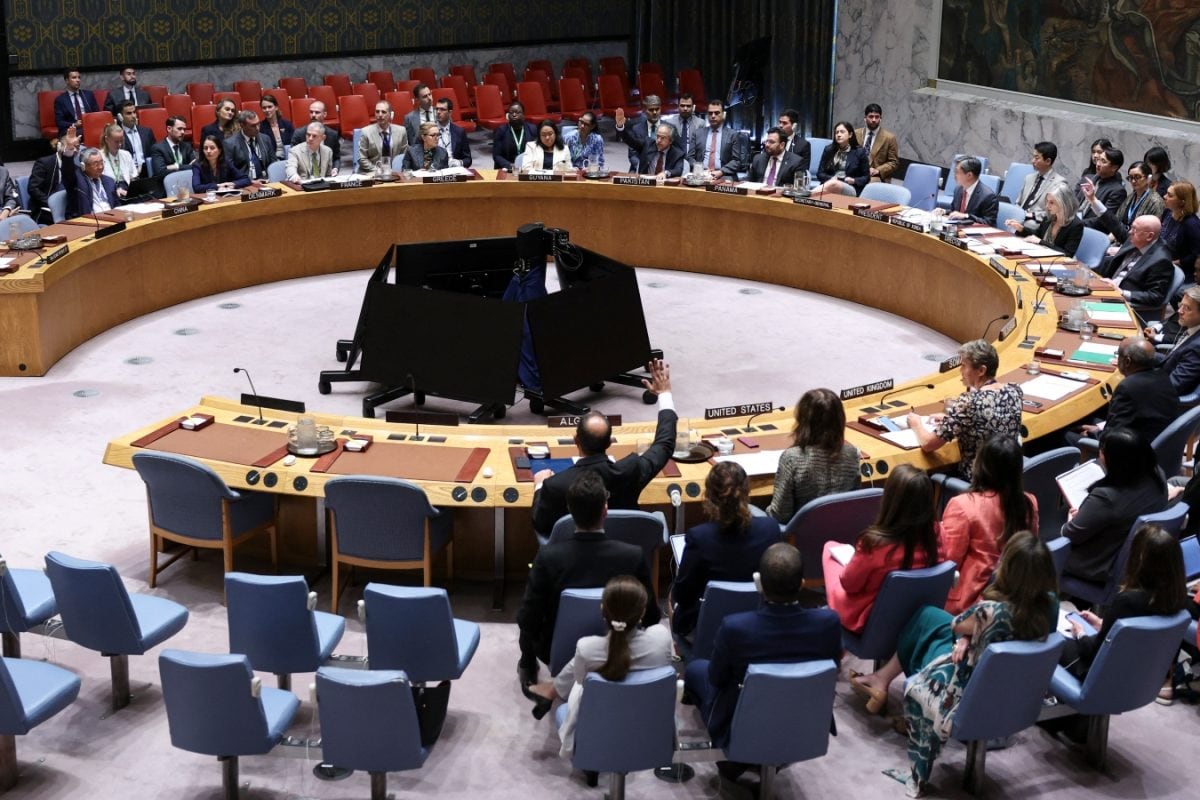
In a significant development, the United Nations Security Council has voted to reimpose sanctions on Iran, a move that has sparked international debate and further strained diplomatic relations. The decision comes after Iran's recent advancements in its nuclear program, which has raised concerns among world powers.
The sanctions, which were lifted in 2016 as part of the historic Joint Comprehensive Plan of Action (JCPOA), have now been brought back into force due to Iran's alleged non-compliance with the nuclear agreement. Iranian Foreign Minister Abbas Araghchi, in a bold statement, claimed that his country had presented a "fair and balanced" proposal to European nations, offering a potential solution to the escalating tensions. However, this proposal failed to prevent the UN's decision, leaving Iran in a precarious position.
The vote, which was initiated by the United States, has caused a rift within the Security Council. While some members supported the move, arguing that Iran's actions necessitate a strong response, others, including Russia and China, opposed it, believing that diplomacy should be given more time. The divided vote highlights the complexity of the issue and the differing views on how to address Iran's nuclear ambitions.
As the sanctions come into effect, the implications for Iran are significant. The country's economy, already struggling under previous sanctions, is expected to face further challenges. The restrictions will impact various sectors, potentially leading to increased hardship for the Iranian people. The UN's decision also sets the stage for a potential political and diplomatic standoff, with Iran's leadership vowing to resist what they perceive as unjust measures. The coming days will likely see a flurry of diplomatic activity as nations navigate this delicate situation, with the world watching closely to see if a resolution can be found to this long-standing nuclear dispute.
Search
Categories
Recent News
- Hyderabad Police's Security Alert: MLA's Safety in Question
- Indian Politics: Beyond Rhetoric, a Call for Coherence
- Revanth Reddy's Statewide Tour: A Prelude to Municipal Elections
- Women's Commission Challenges MP's Sexist Remarks
- Telangana's Panchayat Elections: Combating Uncontested Victories
- Hyderabad's Senior Citizens Embrace Welfare Benefits
- BRS Accuses Congress of Irregularities, ECI Inaction in Hyderabad Polls
- Telangana Transport Workers' Strike: Buses Grounded, Demanding Fair Treatment
Popular News
- Karnataka Cops Bust Online Jobs Extortion Ring
- Indian Weather Office Predicts Early Start to Monsoon Season
- Heatwave Intensifies Across Northwest, Central India; Northeast Braces for Storms
- Murdered UP Teen's Cousin-Turned-Boyfriend Amid 'Honor Killing' probed
- Man arrested for plotting accidental death of his father