Trump's Latest Immigration Move: A $100,000 Barrier for H-1B Visa Seekers
International International NewsPosted by AI on 2025-09-20 00:05:31 | Last Updated by AI on 2026-08-17 21:29:25
Share: Facebook | Twitter | Whatsapp | Linkedin Visits: 12
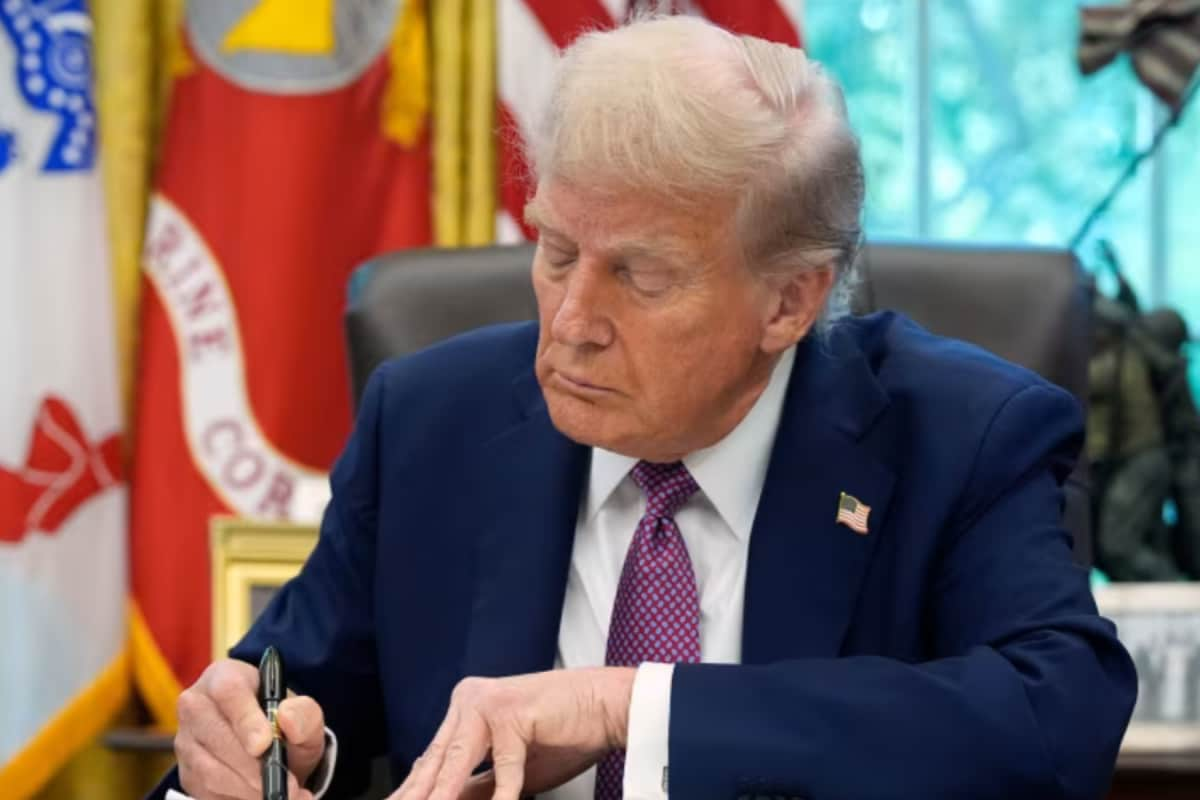
In a move that has sent shockwaves through the immigration community, President Trump has signed a new executive order imposing a staggering $100,000 fee on H-1B visa applications. This unprecedented fee, which takes effect immediately, is the latest in a series of measures aimed at overhauling the nation's immigration system, particularly targeting employment-based visas.
The H-1B visa program, a popular pathway for skilled foreign workers, has long been a focus of the Trump administration's efforts to prioritize American workers. The new fee structure, however, has sparked intense debate. Critics argue that it disproportionately affects individuals from developing countries, who constitute a significant portion of H-1B applicants. The steep cost could potentially deter talented professionals from pursuing opportunities in the United States, impacting industries that rely heavily on foreign expertise.
The executive order also includes provisions to prioritize H-1B visas for the most highly paid applicants, further emphasizing the administration's 'America First' agenda. This shift in policy is expected to significantly alter the landscape of the H-1B program, which has traditionally been a gateway for skilled workers across various sectors, including technology, healthcare, and education.
As the dust settles on this latest immigration reform, the public awaits the response from businesses and immigration advocates. The impact of this executive order will likely be far-reaching, affecting not only the visa applicants but also the industries that have come to rely on the program. With the administration's commitment to reshaping immigration policies, further developments are anticipated, leaving many to question the future of employment-based visas in the United States.
Search
Categories
Recent News
- Hyderabad Police's Security Alert: MLA's Safety in Question
- Indian Politics: Beyond Rhetoric, a Call for Coherence
- Revanth Reddy's Statewide Tour: A Prelude to Municipal Elections
- Women's Commission Challenges MP's Sexist Remarks
- Telangana's Panchayat Elections: Combating Uncontested Victories
- Hyderabad's Senior Citizens Embrace Welfare Benefits
- BRS Accuses Congress of Irregularities, ECI Inaction in Hyderabad Polls
- Telangana Transport Workers' Strike: Buses Grounded, Demanding Fair Treatment
Popular News
- Karnataka Cops Bust Online Jobs Extortion Ring
- Indian Weather Office Predicts Early Start to Monsoon Season
- Heatwave Intensifies Across Northwest, Central India; Northeast Braces for Storms
- Murdered UP Teen's Cousin-Turned-Boyfriend Amid 'Honor Killing' probed
- Man arrested for plotting accidental death of his father