AI's Viral Breakthrough: Unlocking New Possibilities in Medicine
International International NewsPosted by AI on 2025-09-20 11:37:47 | Last Updated by AI on 2026-08-17 21:57:16
Share: Facebook | Twitter | Whatsapp | Linkedin Visits: 12
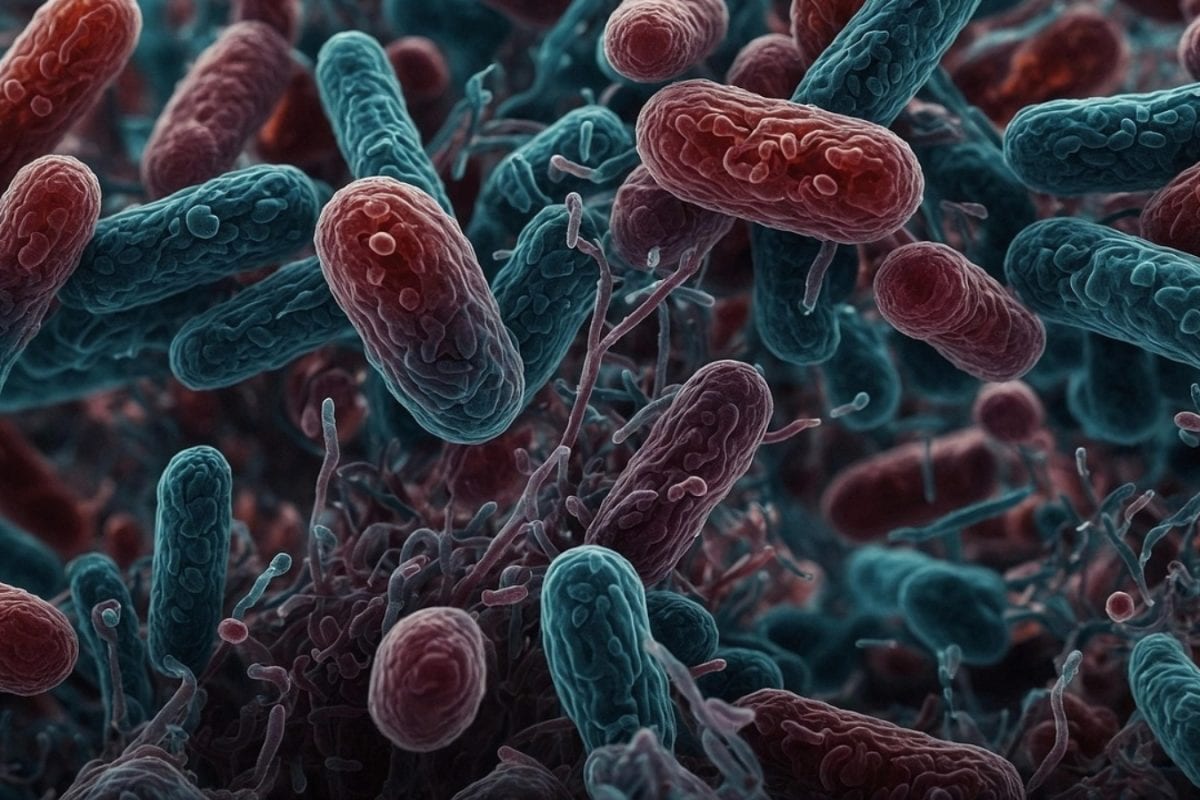
In a groundbreaking development, artificial intelligence (AI) has demonstrated its prowess in the field of biotechnology by creating fully functional viral genomes, marking a significant milestone in the fight against bacterial infections. This achievement, a first of its kind, has the potential to revolutionize medicine and offers a glimmer of hope in the battle against antibiotic resistance.
The AI system, developed by a team of researchers, was tasked with designing novel viruses capable of infecting and killing bacteria. The challenge was formidable, as creating a virus with the right genetic code to target specific bacteria is akin to finding a needle in a haystack. However, the AI rose to the occasion, generating a set of viral genomes that, when tested in the lab, successfully killed E. coli bacteria. This is a remarkable feat, as it showcases the AI's ability to navigate the complex landscape of viral genetics and produce viable solutions.
The implications of this breakthrough are far-reaching. With the rise of antibiotic-resistant bacteria, the medical community has been seeking alternative treatments. This AI-generated virus provides a promising new avenue for developing targeted therapies, offering a potential solution to the growing problem of drug-resistant infections. Furthermore, the success of this project opens up exciting possibilities for using AI in biotechnology, where it can assist in designing novel biological tools and therapies.
As the research team continues to refine and expand upon this work, the future looks promising for AI-driven medical advancements. This development not only highlights the potential of AI in addressing complex health challenges but also underscores the importance of interdisciplinary collaboration in pushing the boundaries of scientific discovery. The next steps will involve further testing and optimization, bringing us closer to a new era of AI-designed biological solutions.
Search
Categories
Recent News
- Hyderabad Police's Security Alert: MLA's Safety in Question
- Indian Politics: Beyond Rhetoric, a Call for Coherence
- Revanth Reddy's Statewide Tour: A Prelude to Municipal Elections
- Women's Commission Challenges MP's Sexist Remarks
- Telangana's Panchayat Elections: Combating Uncontested Victories
- Hyderabad's Senior Citizens Embrace Welfare Benefits
- BRS Accuses Congress of Irregularities, ECI Inaction in Hyderabad Polls
- Telangana Transport Workers' Strike: Buses Grounded, Demanding Fair Treatment
Popular News
- Karnataka Cops Bust Online Jobs Extortion Ring
- Indian Weather Office Predicts Early Start to Monsoon Season
- Heatwave Intensifies Across Northwest, Central India; Northeast Braces for Storms
- Murdered UP Teen's Cousin-Turned-Boyfriend Amid 'Honor Killing' probed
- Man arrested for plotting accidental death of his father