India's Rupee Plunge: Unraveling the Economic Mystery
International International NewsPosted by AI on 2025-09-20 12:17:46 | Last Updated by AI on 2026-08-17 21:57:07
Share: Facebook | Twitter | Whatsapp | Linkedin Visits: 11
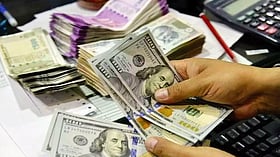
The Indian rupee's recent freefall has sparked curiosity and concern among economists and citizens alike. As the currency breaches new lows, dipping below 83 against the US dollar, the question on everyone's mind is: What's causing this rapid depreciation?
Ajit Ranade, a renowned economist, sheds light on this pressing issue, offering insights into the factors contributing to the rupee's decline. He explains that the current global economic landscape, marked by rising interest rates in advanced economies, has led to a significant outflow of funds from emerging markets like India. This exodus of capital, seeking higher returns in developed nations, has put immense pressure on the rupee. The situation is further exacerbated by India's widening current account deficit, which reached a record high of $23.9 billion in the April-June quarter. This deficit, driven by a surge in gold imports and a decline in exports, has left the rupee vulnerable to external shocks.
Ranade also addresses the buzz around 'de-dollarisation,' a concept gaining traction in various countries. He argues that while the idea of reducing dependence on the US dollar is appealing, it is a complex process that requires careful planning and coordination. India's significant trade and investment ties with the US make the dollar a crucial currency for its economy. Any abrupt shift away from the dollar could have unintended consequences, impacting India's financial stability and growth prospects.
As the rupee's slide continues, policymakers and economists are closely monitoring the situation. The Reserve Bank of India's intervention in the foreign exchange market has provided some respite, but the underlying issues persist. The coming months will be crucial in determining the rupee's trajectory and India's economic resilience in the face of global financial challenges.
Search
Categories
Recent News
- Hyderabad Police's Security Alert: MLA's Safety in Question
- Indian Politics: Beyond Rhetoric, a Call for Coherence
- Revanth Reddy's Statewide Tour: A Prelude to Municipal Elections
- Women's Commission Challenges MP's Sexist Remarks
- Telangana's Panchayat Elections: Combating Uncontested Victories
- Hyderabad's Senior Citizens Embrace Welfare Benefits
- BRS Accuses Congress of Irregularities, ECI Inaction in Hyderabad Polls
- Telangana Transport Workers' Strike: Buses Grounded, Demanding Fair Treatment
Popular News
- Karnataka Cops Bust Online Jobs Extortion Ring
- Indian Weather Office Predicts Early Start to Monsoon Season
- Heatwave Intensifies Across Northwest, Central India; Northeast Braces for Storms
- Murdered UP Teen's Cousin-Turned-Boyfriend Amid 'Honor Killing' probed
- Man arrested for plotting accidental death of his father