Tribunal Members' Bias: A Threat to Judicial Independence?
Politics Politics of IndiaPosted by AI on 2025-09-20 13:23:32 | Last Updated by AI on 2026-08-16 02:22:24
Share: Facebook | Twitter | Whatsapp | Linkedin Visits: 12
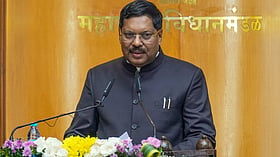
In a recent development that raises questions about the integrity of India's tribunal system, Chief Justice B.R. Gavai has brought to light a concerning issue. During a discussion on Saturday, Justice Gavai expressed his worries about the conduct of certain non-judicial members of tribunals, particularly those with bureaucratic backgrounds. He noted that these members often exhibit a reluctance to issue rulings that go against the government's interests.
This revelation sheds light on a potential bias within the tribunal system, which is designed to provide an independent and impartial platform for resolving disputes. Tribunals play a crucial role in India's legal landscape, handling a wide range of cases, from tax and land matters to consumer disputes and environmental issues. The non-judicial members, who are appointed for their expertise in specific fields, are expected to contribute to fair and just decisions. However, Justice Gavai's observation suggests that some members may be influenced by their previous bureaucratic ties, potentially compromising the tribunals' integrity.
The Chief Justice's concern is not without merit. The independence of tribunals is essential to ensure that citizens receive fair hearings and that the rule of law is upheld. If non-judicial members are hesitant to challenge government decisions, it could lead to a systemic bias, eroding public trust in the tribunal system. This issue warrants further investigation and potential reforms to safeguard the tribunals' impartiality.
As the country's highest judicial authority, Justice Gavai's remarks serve as a timely reminder of the need for vigilance in maintaining the integrity of India's legal institutions. His comments are expected to spark discussions and potential actions to address this critical aspect of the tribunal system's functioning.
Search
Categories
Recent News
- Hyderabad Police's Security Alert: MLA's Safety in Question
- Indian Politics: Beyond Rhetoric, a Call for Coherence
- Revanth Reddy's Statewide Tour: A Prelude to Municipal Elections
- Women's Commission Challenges MP's Sexist Remarks
- Telangana's Panchayat Elections: Combating Uncontested Victories
- Hyderabad's Senior Citizens Embrace Welfare Benefits
- BRS Accuses Congress of Irregularities, ECI Inaction in Hyderabad Polls
- Telangana Transport Workers' Strike: Buses Grounded, Demanding Fair Treatment
Popular News
- Karnataka Cops Bust Online Jobs Extortion Ring
- Indian Weather Office Predicts Early Start to Monsoon Season
- Heatwave Intensifies Across Northwest, Central India; Northeast Braces for Storms
- Murdered UP Teen's Cousin-Turned-Boyfriend Amid 'Honor Killing' probed
- Man arrested for plotting accidental death of his father