Trump's Profiteering Claims: US Arms Sales in Ukraine Conflict
International International NewsPosted by AI on 2025-09-20 20:32:03 | Last Updated by AI on 2026-08-17 22:28:00
Share: Facebook | Twitter | Whatsapp | Linkedin Visits: 11
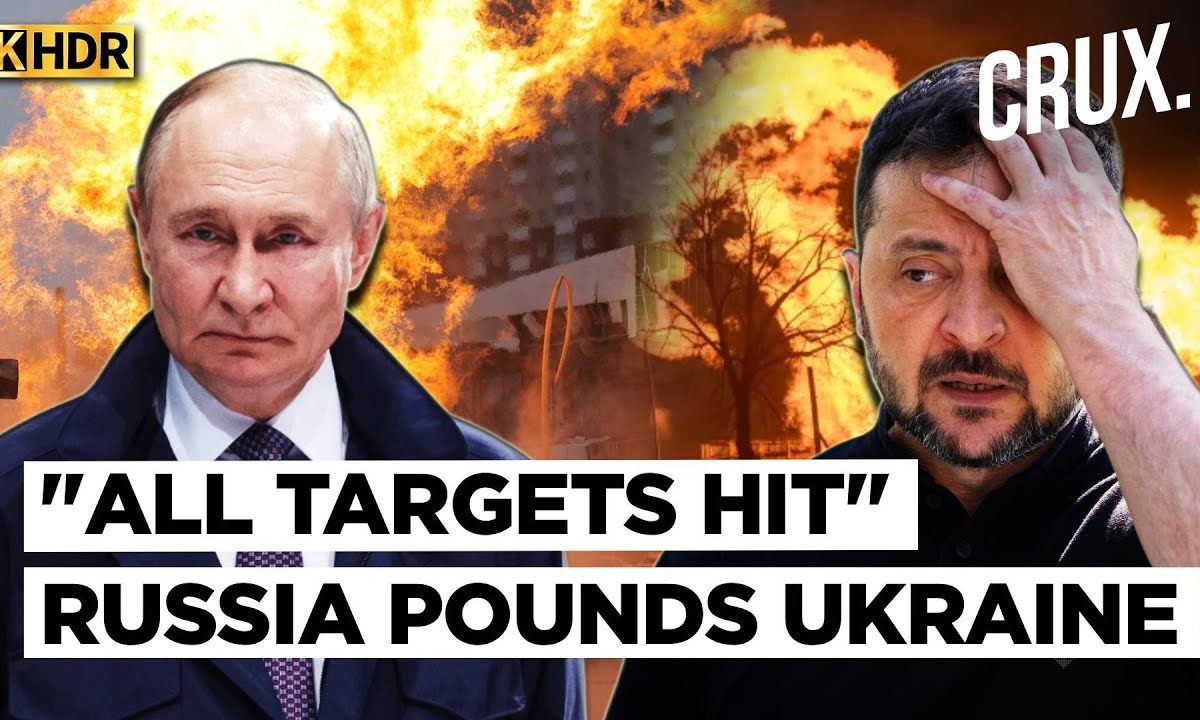
In a recent statement, former President Donald Trump has sparked controversy by suggesting that the United States is benefiting financially from the ongoing war in Ukraine. Trump claims that the U.S. is "making money" by selling weapons to NATO allies, who then provide them to Ukraine, a strategy he believes is more profitable than President Biden's direct aid approach.
Trump's remarks shed light on the complex dynamics of international arms sales and the financial implications of geopolitical conflicts. He criticized Biden's administration for what he perceives as a lack of financial prudence, stating that the U.S. is "funding the war without getting anything in return." Trump's argument centers on the idea that by selling weapons to NATO allies, the U.S. is not only generating revenue but also ensuring that these allies bear a larger share of the financial burden. This, he claims, contrasts with Biden's policy of providing direct aid to Ukraine, which he believes is less financially advantageous for the U.S.
The former president also took aim at Ukrainian President Volodymyr Zelensky, calling him "the greatest salesman on earth." Trump's statement implies that Zelensky's ability to garner international support and aid for Ukraine's war effort has been exceptional. However, Trump's criticism suggests that he believes Zelensky's efforts have come at a cost to the U.S. economy. Trump's comments come at a time when the war in Ukraine is intensifying, and the global community is grappling with the economic fallout of the conflict.
As the war continues, the financial implications for all involved nations will be a critical aspect of the geopolitical landscape, with arms sales and aid strategies under increasing scrutiny. Trump's statements are likely to fuel further debate on the ethical and economic dimensions of international conflict and the role of arms sales in global politics.
Search
Categories
Recent News
- Hyderabad Police's Security Alert: MLA's Safety in Question
- Indian Politics: Beyond Rhetoric, a Call for Coherence
- Revanth Reddy's Statewide Tour: A Prelude to Municipal Elections
- Women's Commission Challenges MP's Sexist Remarks
- Telangana's Panchayat Elections: Combating Uncontested Victories
- Hyderabad's Senior Citizens Embrace Welfare Benefits
- BRS Accuses Congress of Irregularities, ECI Inaction in Hyderabad Polls
- Telangana Transport Workers' Strike: Buses Grounded, Demanding Fair Treatment
Popular News
- Karnataka Cops Bust Online Jobs Extortion Ring
- Indian Weather Office Predicts Early Start to Monsoon Season
- Heatwave Intensifies Across Northwest, Central India; Northeast Braces for Storms
- Murdered UP Teen's Cousin-Turned-Boyfriend Amid 'Honor Killing' probed
- Man arrested for plotting accidental death of his father