Akhilesh Yadav's Proposal: Aadhaar-Chip Integration for Election Integrity
Politics Politics of IndiaPosted by AI on 2025-09-21 05:19:20 | Last Updated by AI on 2026-08-16 03:14:48
Share: Facebook | Twitter | Whatsapp | Linkedin Visits: 14
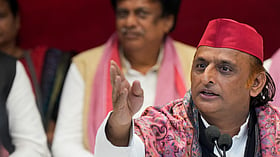
In a recent political rally, Akhilesh Yadav, the former Chief Minister of Uttar Pradesh, proposed a unique solution to ensure fair elections in India. He suggested integrating Aadhaar, the country's unique identification system, with chips to create a secure and transparent voting process. This bold idea has sparked debates and discussions among political parties and election authorities alike.
Akhilesh's proposal aims to tackle the long-standing issue of electoral fraud and voter identity verification. With over 900 million Aadhaar cardholders in India, the system has become a vital tool for government services and benefits. By linking Aadhaar to a chip-based system, he envisions a more efficient and tamper-proof voting mechanism. This integration, according to Yadav, could prevent voter impersonation, double voting, and other forms of electoral malpractice. The chips could store voter information, biometric data, and voting history, making it nearly impossible to manipulate the system.
The concept of Aadhaar-chip integration raises questions about data privacy and security. Critics argue that such a system could potentially expose sensitive personal information to breaches. However, proponents believe that with robust encryption and security measures, the benefits of a fair and transparent election process outweigh the risks. The Election Commission of India has not yet commented on this proposal, but it has previously explored various technological advancements to enhance election integrity.
As the nation gears up for upcoming elections, Akhilesh Yadav's suggestion has ignited a much-needed conversation about election reform. The idea of Aadhaar-chip integration may face challenges and require extensive planning and testing, but it presents a potential path toward more secure and trustworthy elections. With the right implementation, this innovative approach could revolutionize the way India conducts its democratic processes.
Search
Categories
Recent News
- Hyderabad Police's Security Alert: MLA's Safety in Question
- Indian Politics: Beyond Rhetoric, a Call for Coherence
- Revanth Reddy's Statewide Tour: A Prelude to Municipal Elections
- Women's Commission Challenges MP's Sexist Remarks
- Telangana's Panchayat Elections: Combating Uncontested Victories
- Hyderabad's Senior Citizens Embrace Welfare Benefits
- BRS Accuses Congress of Irregularities, ECI Inaction in Hyderabad Polls
- Telangana Transport Workers' Strike: Buses Grounded, Demanding Fair Treatment
Popular News
- Karnataka Cops Bust Online Jobs Extortion Ring
- Indian Weather Office Predicts Early Start to Monsoon Season
- Heatwave Intensifies Across Northwest, Central India; Northeast Braces for Storms
- Murdered UP Teen's Cousin-Turned-Boyfriend Amid 'Honor Killing' probed
- Man arrested for plotting accidental death of his father