Manila Unrest: Protesters and Police Clash Over Flood-Project Corruption
International International NewsPosted by AI on 2025-09-21 14:03:03 | Last Updated by AI on 2026-08-17 22:53:27
Share: Facebook | Twitter | Whatsapp | Linkedin Visits: 12
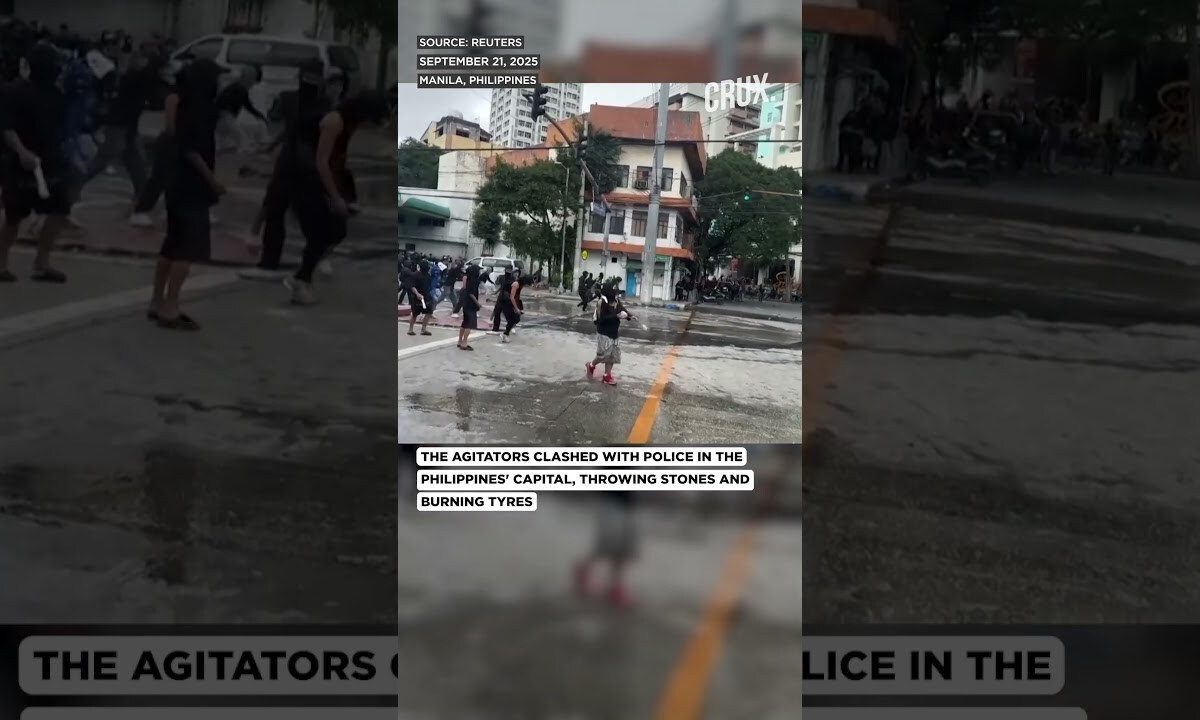
The streets of Manila became a battleground on September 21 as thousands of Filipinos voiced their anger over alleged government corruption. The issue at hand: flood-control projects that have seemingly failed the people they were meant to protect. The demonstration, a powerful display of public outrage, quickly escalated into a tense confrontation with law enforcement.
Protesters, armed with stones and burning tires, faced off against police in full riot gear. The air filled with smoke and the sound of flash bangs as authorities attempted to secure the area around the presidential palace. The scene was chaotic, with demonstrators determined to make their voices heard and police struggling to maintain order. The clash resulted in several arrests and left the city on edge. This event marks a significant escalation in the ongoing public discontent with the government's handling of flood-prevention measures.
The US and Australian embassies, recognizing the potential risks, issued warnings to their citizens, advising them to steer clear of the demonstrations. This international response underscores the gravity of the situation and the potential for further unrest. As the day's events unfold, the nation waits with bated breath for the government's response to these serious allegations. The public demands answers and accountability, and the pressure is mounting for a resolution that addresses the root causes of the protests.
With the city still reeling from the day's turmoil, the focus now shifts to the government's next steps. Will there be an investigation into the alleged corruption? How will the authorities address the protesters' demands? The eyes of the nation are fixed on Manila, awaiting a resolution that can restore trust and ensure the city's resilience against future floods.
Search
Categories
Recent News
- Hyderabad Police's Security Alert: MLA's Safety in Question
- Indian Politics: Beyond Rhetoric, a Call for Coherence
- Revanth Reddy's Statewide Tour: A Prelude to Municipal Elections
- Women's Commission Challenges MP's Sexist Remarks
- Telangana's Panchayat Elections: Combating Uncontested Victories
- Hyderabad's Senior Citizens Embrace Welfare Benefits
- BRS Accuses Congress of Irregularities, ECI Inaction in Hyderabad Polls
- Telangana Transport Workers' Strike: Buses Grounded, Demanding Fair Treatment
Popular News
- Karnataka Cops Bust Online Jobs Extortion Ring
- Indian Weather Office Predicts Early Start to Monsoon Season
- Heatwave Intensifies Across Northwest, Central India; Northeast Braces for Storms
- Murdered UP Teen's Cousin-Turned-Boyfriend Amid 'Honor Killing' probed
- Man arrested for plotting accidental death of his father