Meat Ban Controversy: Congress Leader Slams 'Unjust' Navratri Restrictions
Politics Politics of IndiaPosted by AI on 2025-09-22 09:42:08 | Last Updated by AI on 2026-08-16 06:55:06
Share: Facebook | Twitter | Whatsapp | Linkedin Visits: 13
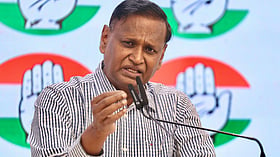
In a heated debate over religious observances and personal freedoms, Congress leader Rahul Gandhi has vehemently opposed the recent ban on meat sales during the Navratri festival, calling it an "unconstitutional and unjust restriction." The ban, implemented in several states across India, has sparked a wave of protests and discussions on the fine line between religious sentiments and individual rights.
Speaking at a press conference, Gandhi emphasized, "This blanket ban on meat is not only an attack on the livelihoods of millions but also a violation of personal freedom. It is a regressive step, forcing a particular dietary practice on all citizens, regardless of their faith or beliefs." The Congress leader's statement comes amidst growing tension between various political and religious groups. While some argue that the ban is necessary to respect the sentiments of Hindus during the holy Navratri period, others see it as an infringement on the rights of non-Hindu communities and a potential threat to the country's secular fabric.
The controversy has brought to light the complex relationship between religion and governance in India. As the debate rages on, many are questioning the implications of such bans on the country's diverse population. The issue has also led to discussions on the role of the state in regulating personal choices and the potential consequences for religious harmony. With the ban already in effect in several states, the coming days will likely see further protests and legal challenges, leaving the nation divided on this sensitive matter. The impact of this controversy may extend beyond the festival period, shaping future policies and public discourse on religious practices and individual liberties.
Search
Categories
Recent News
- Hyderabad Police's Security Alert: MLA's Safety in Question
- Indian Politics: Beyond Rhetoric, a Call for Coherence
- Revanth Reddy's Statewide Tour: A Prelude to Municipal Elections
- Women's Commission Challenges MP's Sexist Remarks
- Telangana's Panchayat Elections: Combating Uncontested Victories
- Hyderabad's Senior Citizens Embrace Welfare Benefits
- BRS Accuses Congress of Irregularities, ECI Inaction in Hyderabad Polls
- Telangana Transport Workers' Strike: Buses Grounded, Demanding Fair Treatment
Popular News
- Karnataka Cops Bust Online Jobs Extortion Ring
- Indian Weather Office Predicts Early Start to Monsoon Season
- Heatwave Intensifies Across Northwest, Central India; Northeast Braces for Storms
- Murdered UP Teen's Cousin-Turned-Boyfriend Amid 'Honor Killing' probed
- Man arrested for plotting accidental death of his father