Tehran's Nuclear Tensions: Iran's Top Atomic Official Visits Russia Amid Sanctions and IAEA Barred Access
International International NewsPosted by AI on 2025-09-22 15:36:37 | Last Updated by AI on 2026-08-17 23:59:45
Share: Facebook | Twitter | Whatsapp | Linkedin Visits: 12
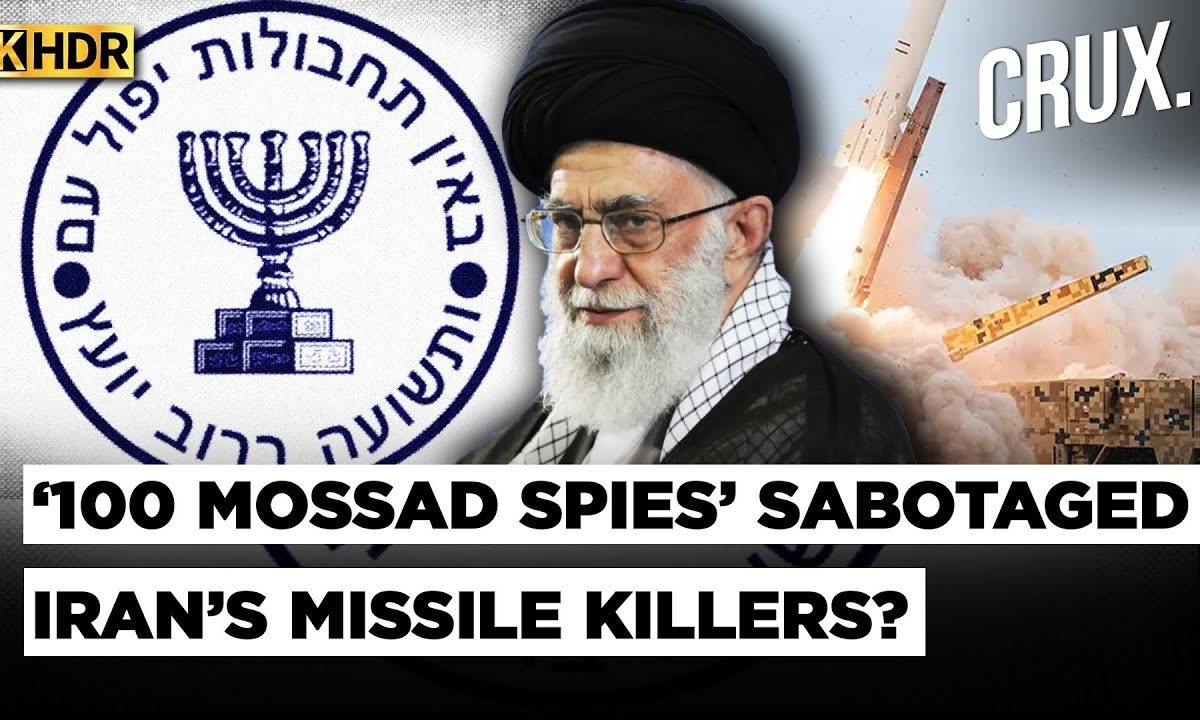
In a move that has raised eyebrows in the international community, Iran's atomic energy chief, Mohammad Eslami, arrived in Russia on September 22 for high-level talks, according to RIA news agency. This visit comes at a critical juncture, just as the UN Security Council decided against permanently lifting sanctions on Tehran, and amidst growing concerns over Iran's nuclear program.
Eslami, who also holds the position of Iran's vice president, is expected to meet with Russian officials to discuss nuclear cooperation and potentially seek support for Iran's nuclear ambitions. The timing of this visit is significant, as it follows the UN's decision to maintain sanctions, which were initially imposed in 2006 over Iran's nuclear activities. The sanctions, which include an arms embargo, travel bans, and asset freezes, have been a point of contention, with Iran arguing that they should be lifted permanently.
Adding to the tension, Iran has recently barred inspectors from the International Atomic Energy Agency (IAEA) from accessing sites that were allegedly damaged in a suspected Israeli attack. This move has sparked further concerns, as the IAEA has been monitoring Iran's nuclear activities to ensure compliance with the 2015 nuclear deal, known as the Joint Comprehensive Plan of Action (JCPOA). With Iran now restricting access to certain sites, the IAEA's ability to verify and monitor the country's nuclear program is in question.
As the world watches, Iran's nuclear program remains a complex and sensitive issue. The country's engagement with Russia, a key player in nuclear technology, could have significant implications for the region and the global nuclear landscape. With sanctions still in place and IAEA access restricted, the international community awaits further developments and Iran's next steps in this unfolding nuclear saga.
Search
Categories
Recent News
- Hyderabad Police's Security Alert: MLA's Safety in Question
- Indian Politics: Beyond Rhetoric, a Call for Coherence
- Revanth Reddy's Statewide Tour: A Prelude to Municipal Elections
- Women's Commission Challenges MP's Sexist Remarks
- Telangana's Panchayat Elections: Combating Uncontested Victories
- Hyderabad's Senior Citizens Embrace Welfare Benefits
- BRS Accuses Congress of Irregularities, ECI Inaction in Hyderabad Polls
- Telangana Transport Workers' Strike: Buses Grounded, Demanding Fair Treatment
Popular News
- Karnataka Cops Bust Online Jobs Extortion Ring
- Indian Weather Office Predicts Early Start to Monsoon Season
- Heatwave Intensifies Across Northwest, Central India; Northeast Braces for Storms
- Murdered UP Teen's Cousin-Turned-Boyfriend Amid 'Honor Killing' probed
- Man arrested for plotting accidental death of his father