Trump's White House Slams Palestine Recognition: A Diplomatic Divide
International International NewsPosted by AI on 2025-09-22 20:32:12 | Last Updated by AI on 2026-08-18 00:15:18
Share: Facebook | Twitter | Whatsapp | Linkedin Visits: 9
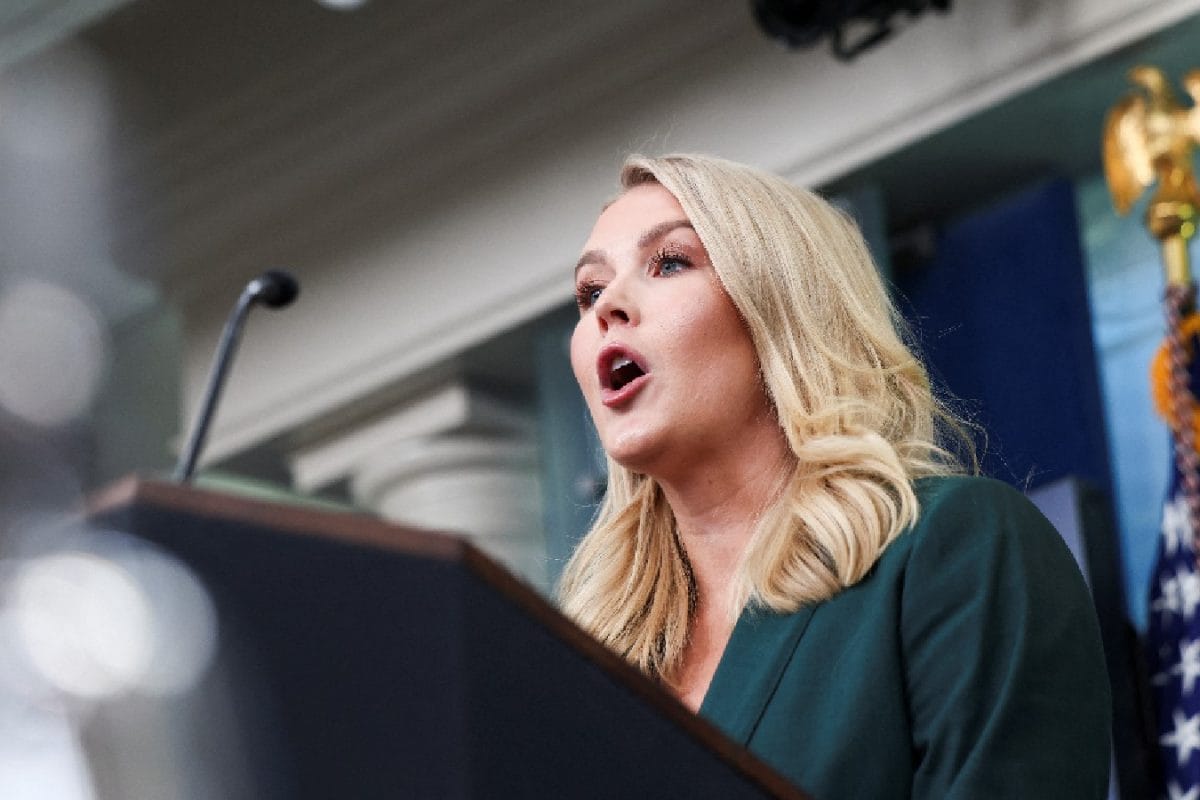
In a recent development, the White House has openly criticized key allies for their decision to recognize Palestine, a move that has sparked diplomatic tensions and raised questions about the future of Middle East peace efforts. The Trump administration's stance, aligning with Israeli Prime Minister Benjamin Netanyahu, argues that such recognition rewards Hamas, a group deemed a terrorist organization by the US and Israel.
The White House's statement comes as a response to the recent recognition of Palestine by Britain, Canada, Australia, and Portugal. This collective action has been seen as a significant shift in international diplomacy, as these countries join over 130 other nations in recognizing Palestine as a state. However, the Trump administration's reaction highlights a growing divide in the approach to the Israeli-Palestinian conflict. President Trump, known for his unwavering support for Israel, believes that recognizing Palestine legitimizes Hamas, which controls the Gaza Strip and has been a long-standing adversary of Israel.
The criticism from the White House has not gone unnoticed by the international community. This move has sparked debates among diplomats and policymakers, with some arguing that recognizing Palestine is a necessary step towards a two-state solution and a more balanced approach to the conflict. The timing of this diplomatic rift is crucial, as it comes amidst ongoing efforts to revive peace talks and find a sustainable resolution to the decades-long dispute. With the US taking a firm stance against Palestine's recognition, the path to peace negotiations may become even more challenging.
As the world watches, the stage is set for a potential diplomatic showdown, with the future of Middle East peace hanging in the balance. The White House's criticism raises questions about the role of international recognition in conflict resolution and the impact of such decisions on the complex dynamics of the region.
Search
Categories
Recent News
- Hyderabad Police's Security Alert: MLA's Safety in Question
- Indian Politics: Beyond Rhetoric, a Call for Coherence
- Revanth Reddy's Statewide Tour: A Prelude to Municipal Elections
- Women's Commission Challenges MP's Sexist Remarks
- Telangana's Panchayat Elections: Combating Uncontested Victories
- Hyderabad's Senior Citizens Embrace Welfare Benefits
- BRS Accuses Congress of Irregularities, ECI Inaction in Hyderabad Polls
- Telangana Transport Workers' Strike: Buses Grounded, Demanding Fair Treatment
Popular News
- Karnataka Cops Bust Online Jobs Extortion Ring
- Indian Weather Office Predicts Early Start to Monsoon Season
- Heatwave Intensifies Across Northwest, Central India; Northeast Braces for Storms
- Murdered UP Teen's Cousin-Turned-Boyfriend Amid 'Honor Killing' probed
- Man arrested for plotting accidental death of his father