Press Freedom Under Fire: Media Outlets Challenge Pentagon's Censorship
International International NewsPosted by AI on 2025-09-23 02:05:41 | Last Updated by AI on 2026-08-18 00:35:03
Share: Facebook | Twitter | Whatsapp | Linkedin Visits: 10
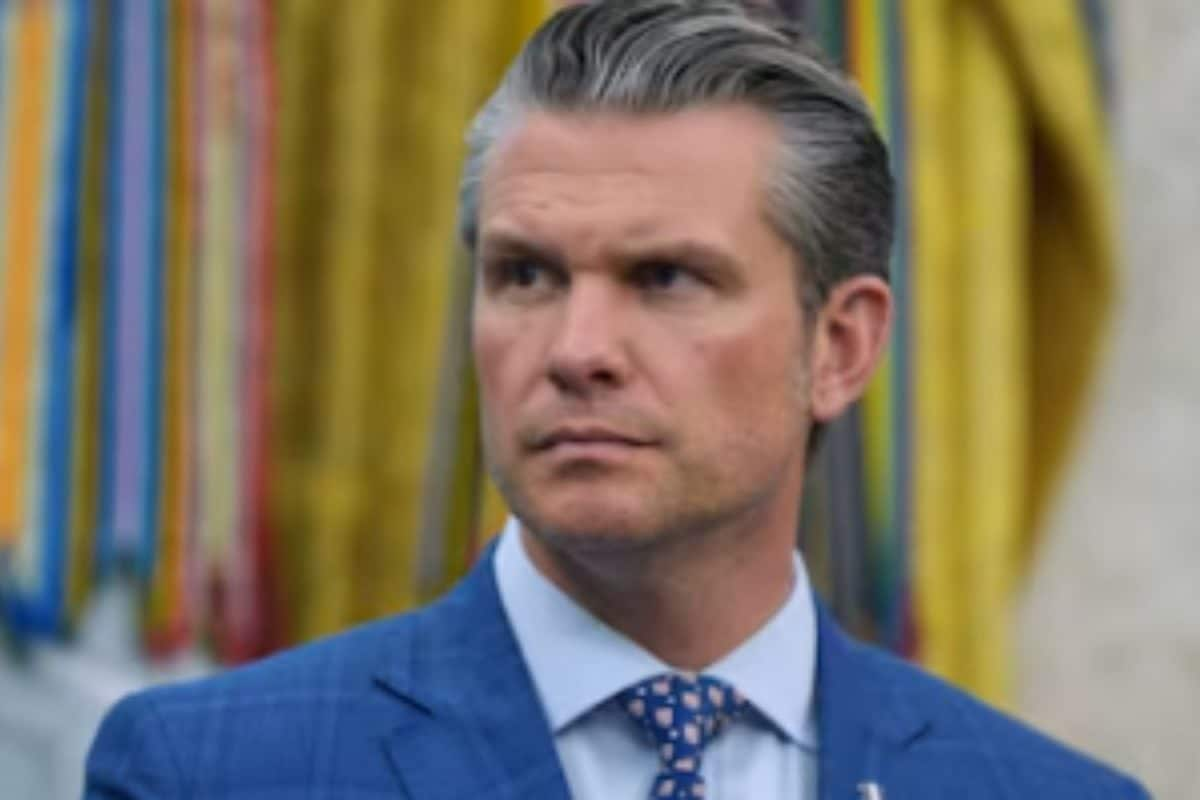
In a move that has sent shockwaves through the media industry, the US Pentagon has imposed new restrictions on press coverage, sparking a fierce debate over the limits of government control and the sanctity of the First Amendment. This unprecedented decision has prompted major news organizations to speak out, questioning the military's motives and the potential consequences for democracy.
The Pentagon's recent announcement has caused a stir, especially among prominent media houses like The New York Times and Reuters. These outlets have openly criticized the new guidelines, arguing that they severely hinder the media's ability to report on matters of national interest. The restrictions include limiting access to military personnel, requiring prior approval for certain stories, and even imposing restrictions on the use of social media by journalists. Such measures, according. to media experts, are a clear violation of the First Amendment, which guarantees freedom of the press. This constitutional right is a cornerstone of American democracy, ensuring transparency and accountability in governance.
The media's response has been swift and unified. In a joint statement, several leading news organizations expressed deep concern, stating that "these restrictions undermine the public's right to know and erode the very foundation of a free press." They further emphasized the importance of media scrutiny in holding government institutions accountable, especially during times of conflict or crisis. The Pentagon's move has also raised eyebrows among legal experts, who argue that such censorship sets a dangerous precedent. It not only limits the public's access to vital information but also threatens the independence of the press, a crucial pillar of any democratic society.
As the debate intensifies, the media's resilience and commitment to truth are being tested. The outcome of this confrontation will undoubtedly shape the future of press freedom in the United States, with potential implications for media-government relations worldwide. With the media's determination to challenge these restrictions, the stage is set for a significant battle over the boundaries of government authority and the enduring power of a free press.
Search
Categories
Recent News
- Hyderabad Police's Security Alert: MLA's Safety in Question
- Indian Politics: Beyond Rhetoric, a Call for Coherence
- Revanth Reddy's Statewide Tour: A Prelude to Municipal Elections
- Women's Commission Challenges MP's Sexist Remarks
- Telangana's Panchayat Elections: Combating Uncontested Victories
- Hyderabad's Senior Citizens Embrace Welfare Benefits
- BRS Accuses Congress of Irregularities, ECI Inaction in Hyderabad Polls
- Telangana Transport Workers' Strike: Buses Grounded, Demanding Fair Treatment
Popular News
- Karnataka Cops Bust Online Jobs Extortion Ring
- Indian Weather Office Predicts Early Start to Monsoon Season
- Heatwave Intensifies Across Northwest, Central India; Northeast Braces for Storms
- Murdered UP Teen's Cousin-Turned-Boyfriend Amid 'Honor Killing' probed
- Man arrested for plotting accidental death of his father