Antifa's Designation: A Controversial Move in US Politics
International International NewsPosted by AI on 2025-09-23 05:13:28 | Last Updated by AI on 2026-08-18 00:36:54
Share: Facebook | Twitter | Whatsapp | Linkedin Visits: 11
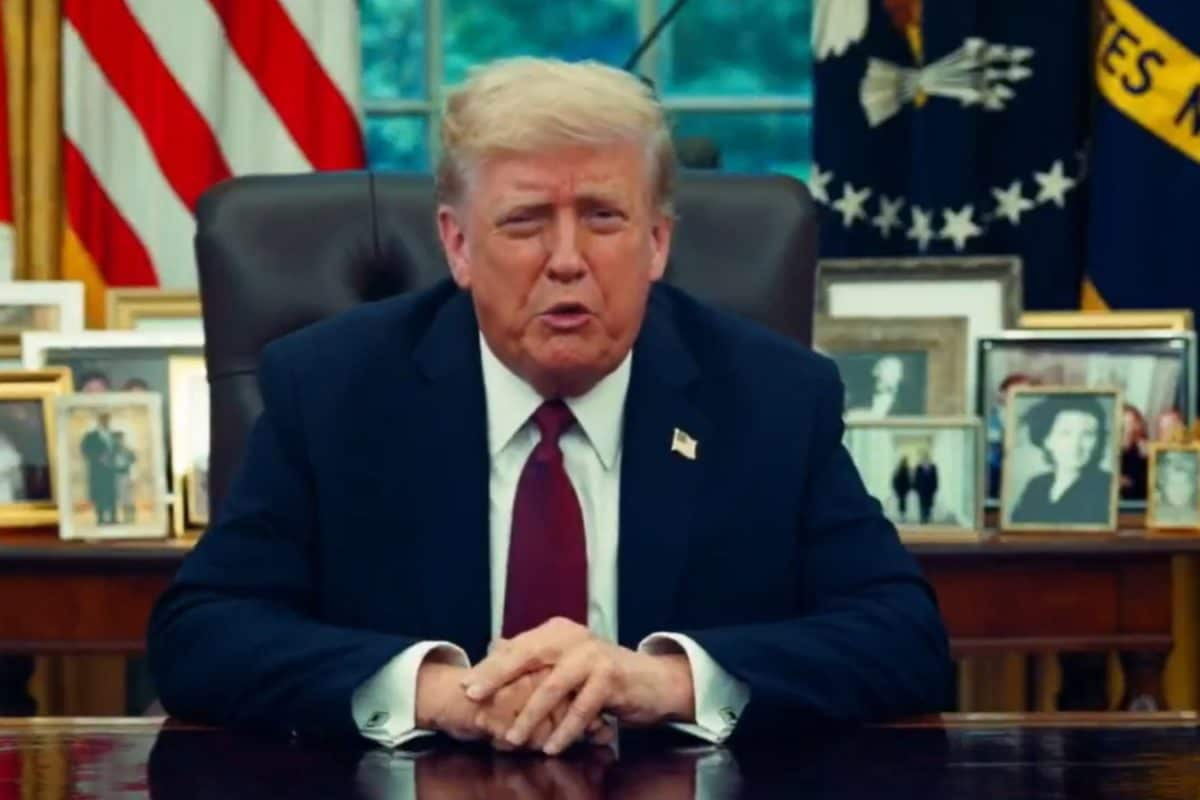
In a move that has sent shockwaves through the political landscape, former President Donald Trump has officially labeled Antifa as a domestic terrorist organization, a decision that has sparked intense debate and raised questions about the limits of protest rights and the nature of political violence in America. This designation comes in the aftermath of the tragic killing of conservative activist Charlie Kirk, an incident that has further polarized an already divided nation.
The executive order, signed by Trump, cites Antifa's involvement in various violent protests and their alleged role in Kirk's murder as the primary reasons for this classification. This decision has significant implications, as it allows federal law enforcement agencies to utilize enhanced investigative tools and resources to monitor and disrupt Antifa's activities. The order also authorizes the freezing of financial assets and the denial of various legal protections, marking a significant shift in the government's approach to this anti-fascist movement.
While Trump's supporters applaud this action as a necessary step to combat left-wing extremism, critics argue that it is a politically motivated move that threatens civil liberties. Legal experts warn that the broad language of the order may lead to the suppression of legitimate political dissent and could potentially criminalize non-violent protest activities. The timing of this designation, following Kirk's high-profile murder, has also raised concerns about the potential politicization of law enforcement and the justice system.
As the nation grapples with the implications, the debate rages on, reflecting the deep ideological divides within American society. This controversial decision is likely to shape future discussions on the delicate balance between national security and the preservation of fundamental rights in the United States.
Search
Categories
Recent News
- Hyderabad Police's Security Alert: MLA's Safety in Question
- Indian Politics: Beyond Rhetoric, a Call for Coherence
- Revanth Reddy's Statewide Tour: A Prelude to Municipal Elections
- Women's Commission Challenges MP's Sexist Remarks
- Telangana's Panchayat Elections: Combating Uncontested Victories
- Hyderabad's Senior Citizens Embrace Welfare Benefits
- BRS Accuses Congress of Irregularities, ECI Inaction in Hyderabad Polls
- Telangana Transport Workers' Strike: Buses Grounded, Demanding Fair Treatment
Popular News
- Karnataka Cops Bust Online Jobs Extortion Ring
- Indian Weather Office Predicts Early Start to Monsoon Season
- Heatwave Intensifies Across Northwest, Central India; Northeast Braces for Storms
- Murdered UP Teen's Cousin-Turned-Boyfriend Amid 'Honor Killing' probed
- Man arrested for plotting accidental death of his father