Italy's Streets Erupt in Protests: Meloni's Palestine Policy Under Fire
International International NewsPosted by AI on 2025-09-23 05:57:37 | Last Updated by AI on 2026-08-18 00:36:22
Share: Facebook | Twitter | Whatsapp | Linkedin Visits: 10
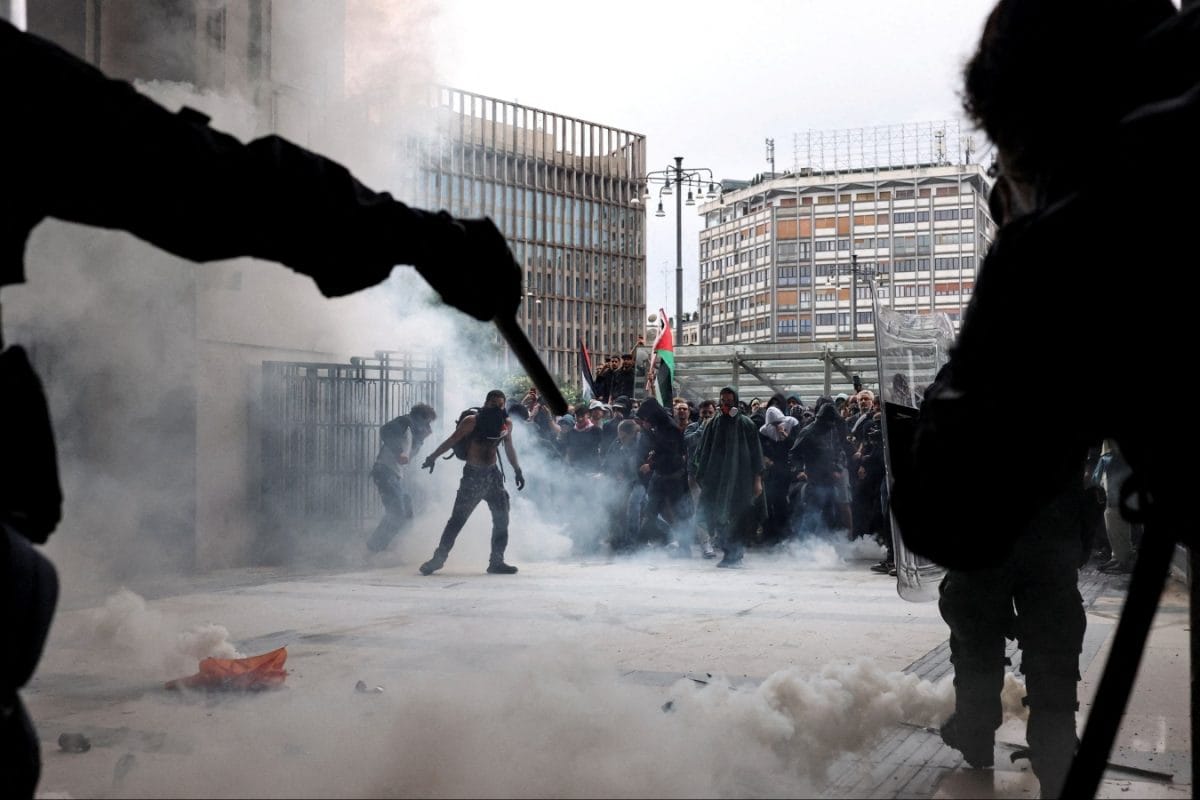
Italy witnessed a wave of civil unrest on Monday as thousands of protesters took to the streets, demanding the government take a stand on the Israel-Palestine conflict. The demonstrations, a response to Prime Minister Giorgia Meloni's refusal to recognize Palestine as a state, were marked by passionate activism and, unfortunately, violence.
The day began with peaceful strikes and marches across major cities, including Rome, Milan, and Naples. Protesters, many from the left-wing coalition, waved Palestinian flags and chanted slogans like "Free Palestine" and "Meloni, listen! Palestine exists!" The turnout was impressive, with estimates suggesting over 10,000 participants nationwide. This collective action aimed to pressure the government to reverse its stance and officially recognize Palestine, a move that has been a longstanding demand of pro-Palestinian activists in Italy.
However, the day's events took a turn as protests in Rome escalated into clashes with police. Protesters, some wearing Palestinian keffiyehs, attempted to break through police lines, leading to the use of water cannons and tear gas. Several protesters and police officers were injured in the scuffles, with local media reporting at least 20 injuries. The violence has sparked further debate about the government's handling of the protests and its commitment to democratic principles.
The protests have brought the Israel-Palestine issue to the forefront of Italian politics, forcing a public conversation about the country's foreign policy. With the situation in the Middle East remaining volatile, Italy's role and its relationship with Palestine are under intense scrutiny. As the dust settles from the protests, the government is expected to address the concerns raised, potentially shaping Italy's foreign policy direction in the coming months.
Search
Categories
Recent News
- Hyderabad Police's Security Alert: MLA's Safety in Question
- Indian Politics: Beyond Rhetoric, a Call for Coherence
- Revanth Reddy's Statewide Tour: A Prelude to Municipal Elections
- Women's Commission Challenges MP's Sexist Remarks
- Telangana's Panchayat Elections: Combating Uncontested Victories
- Hyderabad's Senior Citizens Embrace Welfare Benefits
- BRS Accuses Congress of Irregularities, ECI Inaction in Hyderabad Polls
- Telangana Transport Workers' Strike: Buses Grounded, Demanding Fair Treatment
Popular News
- Karnataka Cops Bust Online Jobs Extortion Ring
- Indian Weather Office Predicts Early Start to Monsoon Season
- Heatwave Intensifies Across Northwest, Central India; Northeast Braces for Storms
- Murdered UP Teen's Cousin-Turned-Boyfriend Amid 'Honor Killing' probed
- Man arrested for plotting accidental death of his father