UP's Rally Ban: Curbing Caste Politics or Free Speech?
Politics Politics of IndiaPosted by AI on 2025-09-23 06:03:22 | Last Updated by AI on 2026-08-16 07:50:06
Share: Facebook | Twitter | Whatsapp | Linkedin Visits: 11
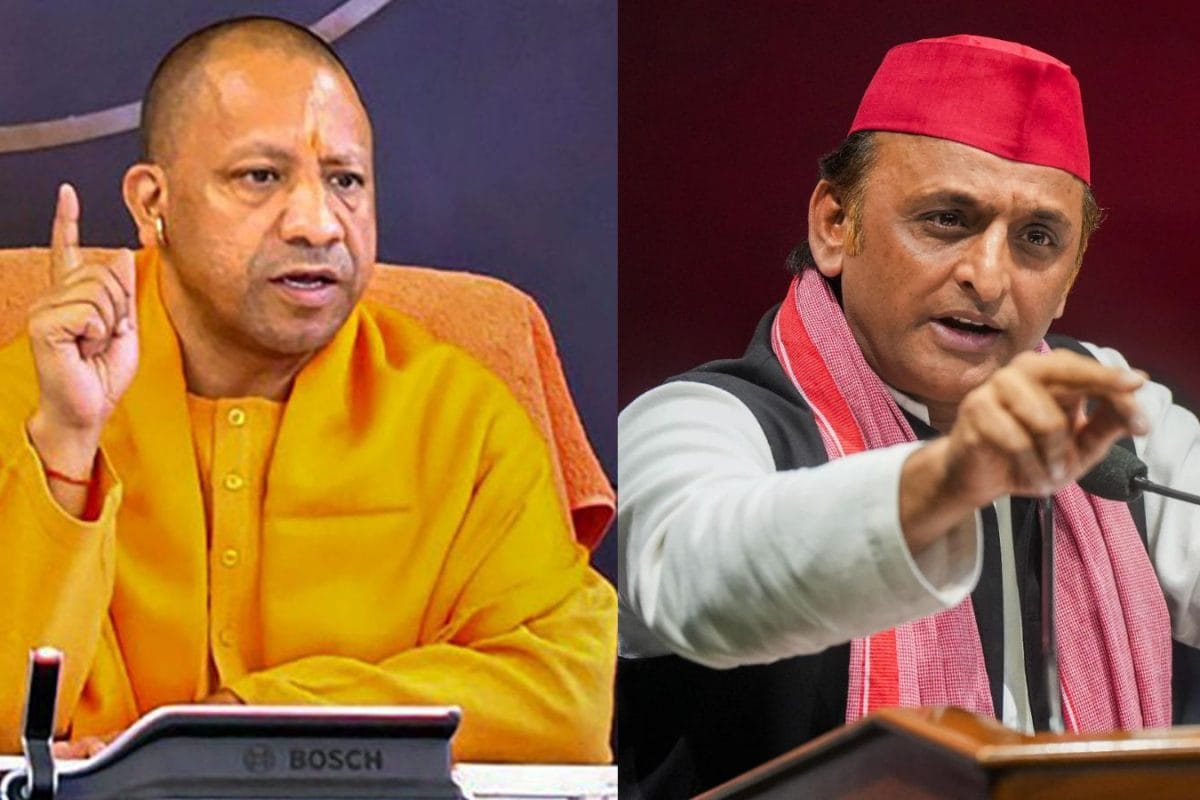
In a significant move, the Uttar Pradesh government has prohibited caste-based political rallies and events, sparking a heated debate in the political arena. This decision comes in the wake of the Allahabad High Court's directive, which aimed to address the sensitive issue of caste-driven politics in the state.
The ban has sent shockwaves through the political landscape, with opposition parties voicing their dissent. They argue that this move is an attempt to stifle free speech and curb their ability to connect with voters. With elections looming, these rallies are a crucial tool for parties to mobilize support, especially among marginalized communities. The opposition claims that the ban disproportionately affects their ability to campaign, potentially tilting the electoral playing field.
The government, however, defends its decision as a necessary step to maintain law and order and prevent caste-based tensions from escalating. They assert that such rallies often lead to divisive rhetoric and, in some cases, violence. By banning these events, the authorities aim to create a more inclusive and harmonious environment, free from caste-based discrimination and political exploitation.
As the ban comes into effect, the political atmosphere in UP is charged with debate. While the government maintains its stance on ensuring public safety, opposition parties are gearing up to challenge this decision, potentially through legal means. The coming days will be crucial in determining the fate of caste-based political rallies and the broader implications for democracy and free speech in the region. The public's response to this ban will also be a key factor in shaping the political strategies of all parties involved.
Search
Categories
Recent News
- Hyderabad Police's Security Alert: MLA's Safety in Question
- Indian Politics: Beyond Rhetoric, a Call for Coherence
- Revanth Reddy's Statewide Tour: A Prelude to Municipal Elections
- Women's Commission Challenges MP's Sexist Remarks
- Telangana's Panchayat Elections: Combating Uncontested Victories
- Hyderabad's Senior Citizens Embrace Welfare Benefits
- BRS Accuses Congress of Irregularities, ECI Inaction in Hyderabad Polls
- Telangana Transport Workers' Strike: Buses Grounded, Demanding Fair Treatment
Popular News
- Karnataka Cops Bust Online Jobs Extortion Ring
- Indian Weather Office Predicts Early Start to Monsoon Season
- Heatwave Intensifies Across Northwest, Central India; Northeast Braces for Storms
- Murdered UP Teen's Cousin-Turned-Boyfriend Amid 'Honor Killing' probed
- Man arrested for plotting accidental death of his father