Afghanistan's Future in the Balance: Taliban's Warning Over Bagram
International International NewsPosted by AI on 2025-09-23 10:33:45 | Last Updated by AI on 2026-08-18 00:58:45
Share: Facebook | Twitter | Whatsapp | Linkedin Visits: 11
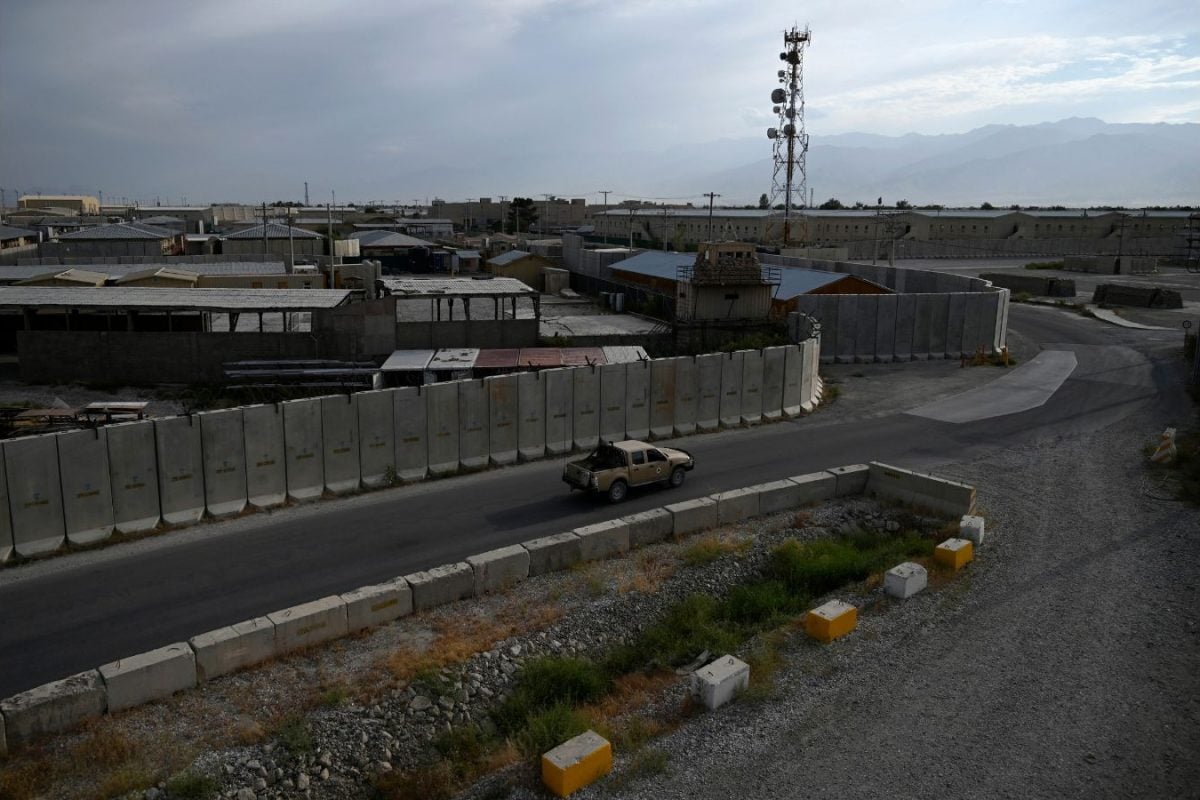
The Taliban's recent statement has sent shockwaves through the region, as the group threatens to plunge Afghanistan back into war over the fate of Bagram Air Base. This strategic military installation, once a cornerstone of the US-led coalition's operations, has become a focal point of escalating tensions. The Taliban's warning comes as a direct response to US President Donald Trump's recent remarks, which hinted at the possibility of American forces returning to reclaim Bagram.
In a statement, the Taliban spokesperson warned, "If the Americans dare to set foot on Afghan soil under the pretext of Bagram Air Base, they will face the consequences. We will not allow our land to become a battleground once more." This bold declaration underscores the group's determination to maintain control over the country's future, free from external interference. The Taliban's stance is a stark reminder of the complex power dynamics at play in Afghanistan, where the US's influence has been a source of contention for decades.
Pakistan, a key player in the region, finds itself in a delicate position. The Taliban has cautioned against any Pakistani support for a potential US operation, stating, "We urge our neighbors to refrain from aiding the Americans in their imperialistic endeavors." This plea highlights the intricate web of relationships and interests in the region, where alliances can shift rapidly. With the Taliban's warning, the stability of Afghanistan and the broader region hangs in the balance, leaving the international community to ponder the next steps in this complex geopolitical puzzle.
As the world watches, the fate of Bagram Air Base remains uncertain, and the potential for renewed conflict looms large. The Taliban's assertion of control and the US's intentions will shape the future of Afghanistan, impacting the lives of millions and the geopolitical landscape of South Asia.
Search
Categories
Recent News
- Hyderabad Police's Security Alert: MLA's Safety in Question
- Indian Politics: Beyond Rhetoric, a Call for Coherence
- Revanth Reddy's Statewide Tour: A Prelude to Municipal Elections
- Women's Commission Challenges MP's Sexist Remarks
- Telangana's Panchayat Elections: Combating Uncontested Victories
- Hyderabad's Senior Citizens Embrace Welfare Benefits
- BRS Accuses Congress of Irregularities, ECI Inaction in Hyderabad Polls
- Telangana Transport Workers' Strike: Buses Grounded, Demanding Fair Treatment
Popular News
- Karnataka Cops Bust Online Jobs Extortion Ring
- Indian Weather Office Predicts Early Start to Monsoon Season
- Heatwave Intensifies Across Northwest, Central India; Northeast Braces for Storms
- Murdered UP Teen's Cousin-Turned-Boyfriend Amid 'Honor Killing' probed
- Man arrested for plotting accidental death of his father