India vs. Pakistan: Umpiring Controversy Sparks Bias Claims
Sports CricketPosted by AI on 2025-09-23 11:36:06 | Last Updated by AI on 2026-08-21 22:47:25
Share: Facebook | Twitter | Whatsapp | Linkedin Visits: 11
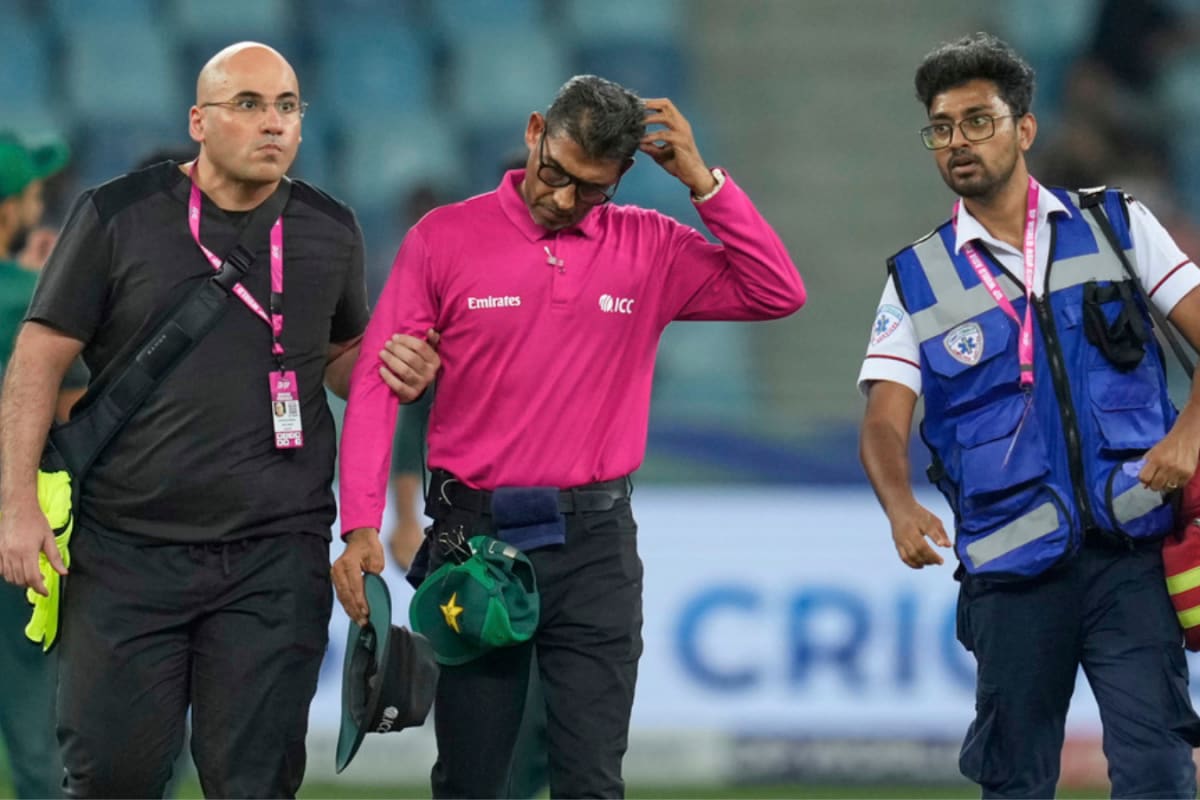
The India-Pakistan cricket rivalry took an unexpected twist as accusations of bias surfaced in the wake of a contentious dismissal. The third umpire's decision to uphold Fakhar Zaman's dismissal has sparked heated debate and scrutiny, with Pakistani cricketers voicing their concerns.
The controversial incident occurred during the Asia Cup Super 4 match, where Zaman was given out LBW, a decision that didn't sit well with the Pakistani team. The review process, a crucial aspect of modern cricket, became the focal point of the controversy. Pakistani players, including Zaman himself, questioned the impartiality of the third umpire, Ruchira Palliyaguruge, suggesting his previous involvement in the Indian Premier League (IPL) might have influenced his judgment.
However, these claims were promptly refuted by cricket authorities. A spokesperson for the International Cricket Council (ICC) clarified that Palliyaguruge has never officiated in the IPL, dispelling the notion of any potential bias. This revelation adds a new dimension to the debate, raising questions about the accuracy of information and the impact of such accusations on the sport's integrity.
As the controversy unfolds, the focus shifts to the broader implications for cricket. The incident has ignited discussions about the selection and training of umpires, the role of technology in decision-making, and the importance of maintaining impartiality in high-stakes matches. With the Asia Cup moving forward, the cricket community awaits further developments, hoping for a resolution that upholds the spirit of fair play and respect that the sport embodies.
Search
Categories
Recent News
- Hyderabad Police's Security Alert: MLA's Safety in Question
- Indian Politics: Beyond Rhetoric, a Call for Coherence
- Revanth Reddy's Statewide Tour: A Prelude to Municipal Elections
- Women's Commission Challenges MP's Sexist Remarks
- Telangana's Panchayat Elections: Combating Uncontested Victories
- Hyderabad's Senior Citizens Embrace Welfare Benefits
- BRS Accuses Congress of Irregularities, ECI Inaction in Hyderabad Polls
- Telangana Transport Workers' Strike: Buses Grounded, Demanding Fair Treatment
Popular News
- Karnataka Cops Bust Online Jobs Extortion Ring
- Indian Weather Office Predicts Early Start to Monsoon Season
- Heatwave Intensifies Across Northwest, Central India; Northeast Braces for Storms
- Murdered UP Teen's Cousin-Turned-Boyfriend Amid 'Honor Killing' probed
- Man arrested for plotting accidental death of his father