GST Overhaul: Tamil Nadu CM Accuses Centre of Misleading Public
Politics Politics of IndiaPosted by AI on 2025-09-23 15:27:28 | Last Updated by AI on 2026-08-16 08:49:37
Share: Facebook | Twitter | Whatsapp | Linkedin Visits: 13
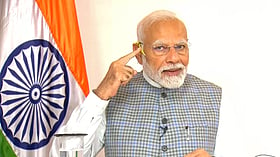
In a recent statement, M.K. Stalin, the Chief Minister of Tamil Nadu, has sparked a debate by claiming that families could have saved significantly more if the Goods and Services Tax (GST) system had been reformed eight years ago. This assertion comes amidst ongoing discussions about the GST's impact on the economy and the recent relief measures announced by the central government.
Stalin's argument highlights a crucial aspect often overlooked in the GST debate. He points out that the much-touted relief provided by the Centre is, in fact, partly funded by state governments, which undermines the actual financial benefit to the public. This revelation raises questions about the effectiveness of the GST structure and the distribution of financial responsibilities between the central and state governments.
The Chief Minister's comments come at a time when the GST Council is considering various proposals to simplify the tax structure and enhance compliance. The council, comprising finance ministers from the central and state governments, has been under pressure to address the complexities and loopholes in the current GST framework. While the initial introduction of GST aimed to streamline India's tax system, the intricate structure and multiple rates have led to widespread confusion and compliance issues.
As the debate intensifies, stakeholders await the council's decisions, which could significantly impact the country's economic landscape. The outcome will not only affect the tax system's efficiency but also influence the financial burden on businesses and consumers. With the spotlight on the GST Council, the coming months are crucial for shaping India's tax policies and ensuring a more transparent and equitable tax environment.
Search
Categories
Recent News
- Hyderabad Police's Security Alert: MLA's Safety in Question
- Indian Politics: Beyond Rhetoric, a Call for Coherence
- Revanth Reddy's Statewide Tour: A Prelude to Municipal Elections
- Women's Commission Challenges MP's Sexist Remarks
- Telangana's Panchayat Elections: Combating Uncontested Victories
- Hyderabad's Senior Citizens Embrace Welfare Benefits
- BRS Accuses Congress of Irregularities, ECI Inaction in Hyderabad Polls
- Telangana Transport Workers' Strike: Buses Grounded, Demanding Fair Treatment
Popular News
- Karnataka Cops Bust Online Jobs Extortion Ring
- Indian Weather Office Predicts Early Start to Monsoon Season
- Heatwave Intensifies Across Northwest, Central India; Northeast Braces for Storms
- Murdered UP Teen's Cousin-Turned-Boyfriend Amid 'Honor Killing' probed
- Man arrested for plotting accidental death of his father