India's Economic Decline: A Historical Perspective
Politics Politics of IndiaPosted by AI on 2025-09-23 19:14:14 | Last Updated by AI on 2026-08-16 09:47:46
Share: Facebook | Twitter | Whatsapp | Linkedin Visits: 12
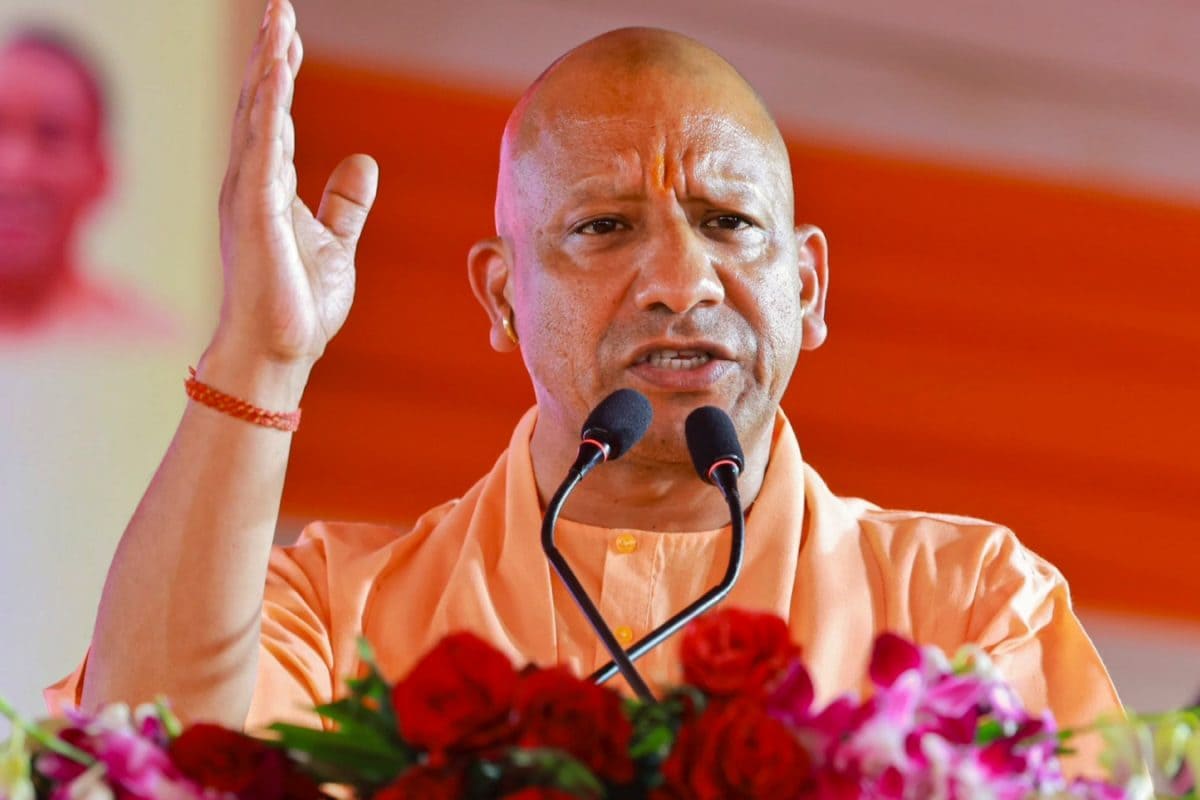
In a recent address, Uttar Pradesh Chief Minister Yogi Adityanath shed light on a lesser-known aspect of India's colonial past, revealing a stark decline in the country's economic prowess. The statement, made during a speech at a public event, is a stark reminder of the long-term effects of colonial rule on India's economy and society.
Adityanath's revelation that India's contribution to the global economy stood at a formidable 25% three centuries ago is a striking statistic. It prompts a deeper exploration of India's historical economic might and the subsequent decline. The country's agricultural and industrial sectors, once thriving, suffered a significant setback during the colonial era, which lasted for centuries. This period witnessed the systematic exploitation of India's resources and the suppression of its indigenous industries, leading to a decline in overall productivity.
The impact of this historical decline is still felt today, as India grapples with the challenges of economic growth and development. The Chief Minister's statement serves as a call to action, urging a renewed focus on indigenous industries and resources. By emphasizing the need for a 'Swadeshi Push', Adityanath encourages a revival of India's economic potential through self-reliance and the promotion of domestic industries. This approach aims to empower local businesses and communities, fostering a more sustainable and equitable growth model.
The narrative of India's economic history is a powerful reminder of the importance of sovereignty and self-determination. As the country continues to strive for progress, acknowledging and learning from its past can provide valuable insights. Adityanath's words inspire a reevaluation of India's economic strategies, encouraging a path towards a more robust and resilient future, where the nation's economic prowess is reclaimed and utilized for the betterment of its people.
Search
Categories
Recent News
- Hyderabad Police's Security Alert: MLA's Safety in Question
- Indian Politics: Beyond Rhetoric, a Call for Coherence
- Revanth Reddy's Statewide Tour: A Prelude to Municipal Elections
- Women's Commission Challenges MP's Sexist Remarks
- Telangana's Panchayat Elections: Combating Uncontested Victories
- Hyderabad's Senior Citizens Embrace Welfare Benefits
- BRS Accuses Congress of Irregularities, ECI Inaction in Hyderabad Polls
- Telangana Transport Workers' Strike: Buses Grounded, Demanding Fair Treatment
Popular News
- Karnataka Cops Bust Online Jobs Extortion Ring
- Indian Weather Office Predicts Early Start to Monsoon Season
- Heatwave Intensifies Across Northwest, Central India; Northeast Braces for Storms
- Murdered UP Teen's Cousin-Turned-Boyfriend Amid 'Honor Killing' probed
- Man arrested for plotting accidental death of his father