Iran's Military Posture: A Parade of Uncertainty and Sanctions
International International NewsPosted by AI on 2025-09-23 20:55:52 | Last Updated by AI on 2026-08-18 01:52:42
Share: Facebook | Twitter | Whatsapp | Linkedin Visits: 23
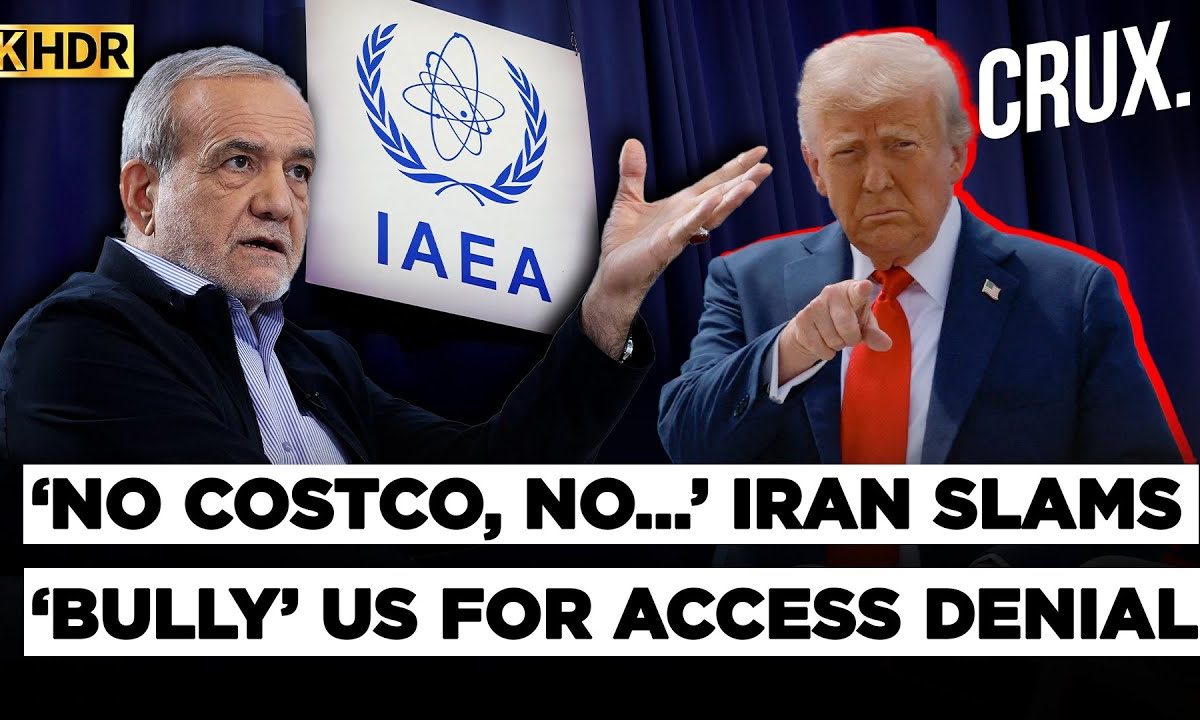
Iran's military parades, a long-standing tradition during Defense Week, have taken an unexpected turn this year, leaving many wondering about the country's strategic intentions. In a surprising move, the Iranian government has canceled at least two major parades, citing "security concerns" and the need to prioritize military preparedness. This decision comes on the heels of a significant military conflict with Israel in June, which resulted in substantial losses for Iran. The timing of these cancellations raises questions about the country's current defense capabilities and its strategic response to the recent war.
The annual parades, usually a showcase of military might and national pride, have been a platform for Iran to display its latest weaponry and technological advancements. However, this year's events have been shrouded in uncertainty, with officials providing little explanation beyond vague security reasons. The recent conflict with Israel, which lasted 12 days, has undoubtedly left its mark on Iran's military strategy and public perception. The war resulted in a significant setback for Iran, with reports indicating heavy casualties and damage to military infrastructure.
Adding to the intrigue, the US State Department has imposed restrictions on Iran's UN delegation during the General Assembly, limiting their movement and curbing what they call Tehran's "terrorist agenda." This move is a clear attempt to isolate Iran on the global stage and hinder its diplomatic efforts. The restrictions, aimed at preventing the delegation from engaging in activities beyond their official duties, have been met with criticism from Iranian officials, who view it as a violation of diplomatic norms.
As Iran navigates this complex landscape of military setbacks and diplomatic challenges, the world watches closely, anticipating the country's next move and the potential implications for regional stability.
Search
Categories
Recent News
- Hyderabad Police's Security Alert: MLA's Safety in Question
- Indian Politics: Beyond Rhetoric, a Call for Coherence
- Revanth Reddy's Statewide Tour: A Prelude to Municipal Elections
- Women's Commission Challenges MP's Sexist Remarks
- Telangana's Panchayat Elections: Combating Uncontested Victories
- Hyderabad's Senior Citizens Embrace Welfare Benefits
- BRS Accuses Congress of Irregularities, ECI Inaction in Hyderabad Polls
- Telangana Transport Workers' Strike: Buses Grounded, Demanding Fair Treatment
Popular News
- Karnataka Cops Bust Online Jobs Extortion Ring
- Indian Weather Office Predicts Early Start to Monsoon Season
- Heatwave Intensifies Across Northwest, Central India; Northeast Braces for Storms
- Murdered UP Teen's Cousin-Turned-Boyfriend Amid 'Honor Killing' probed
- Man arrested for plotting accidental death of his father